
Last updated October 16, 2026
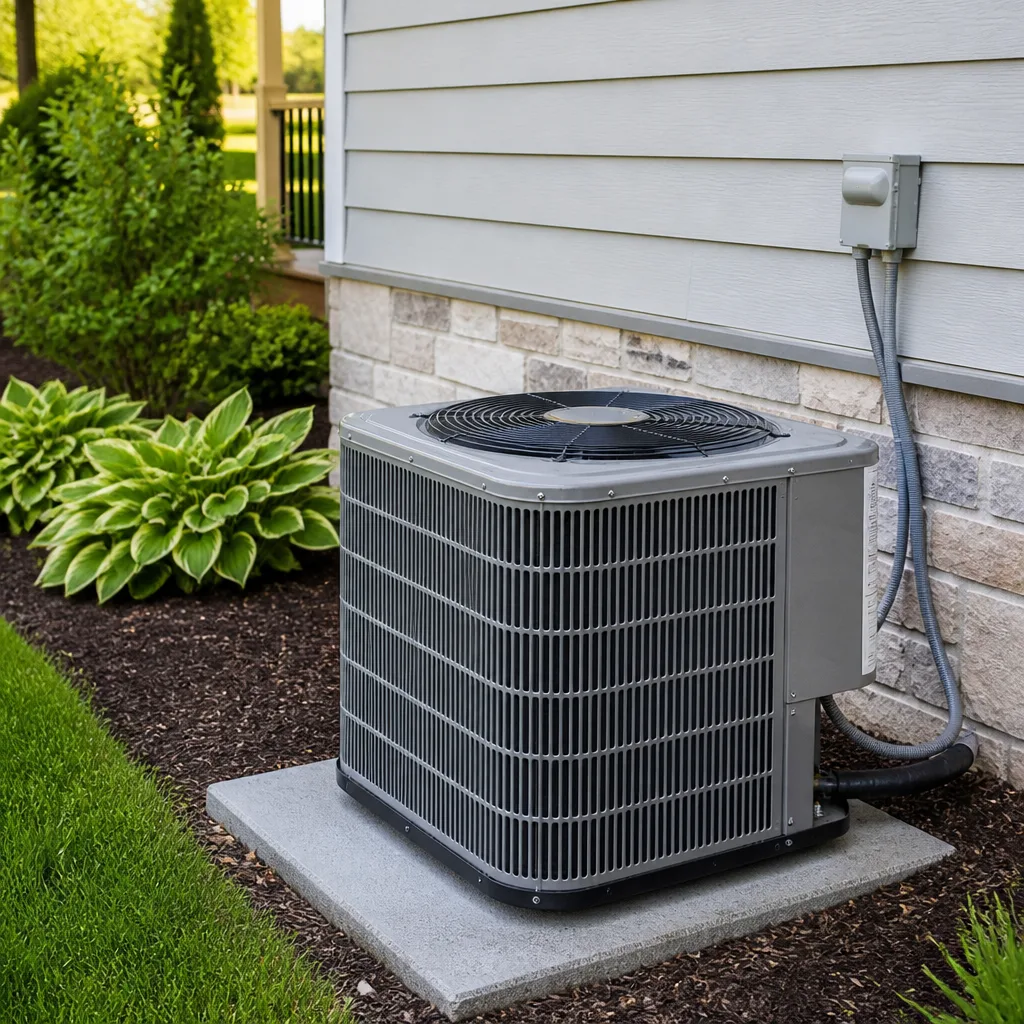 AC repair
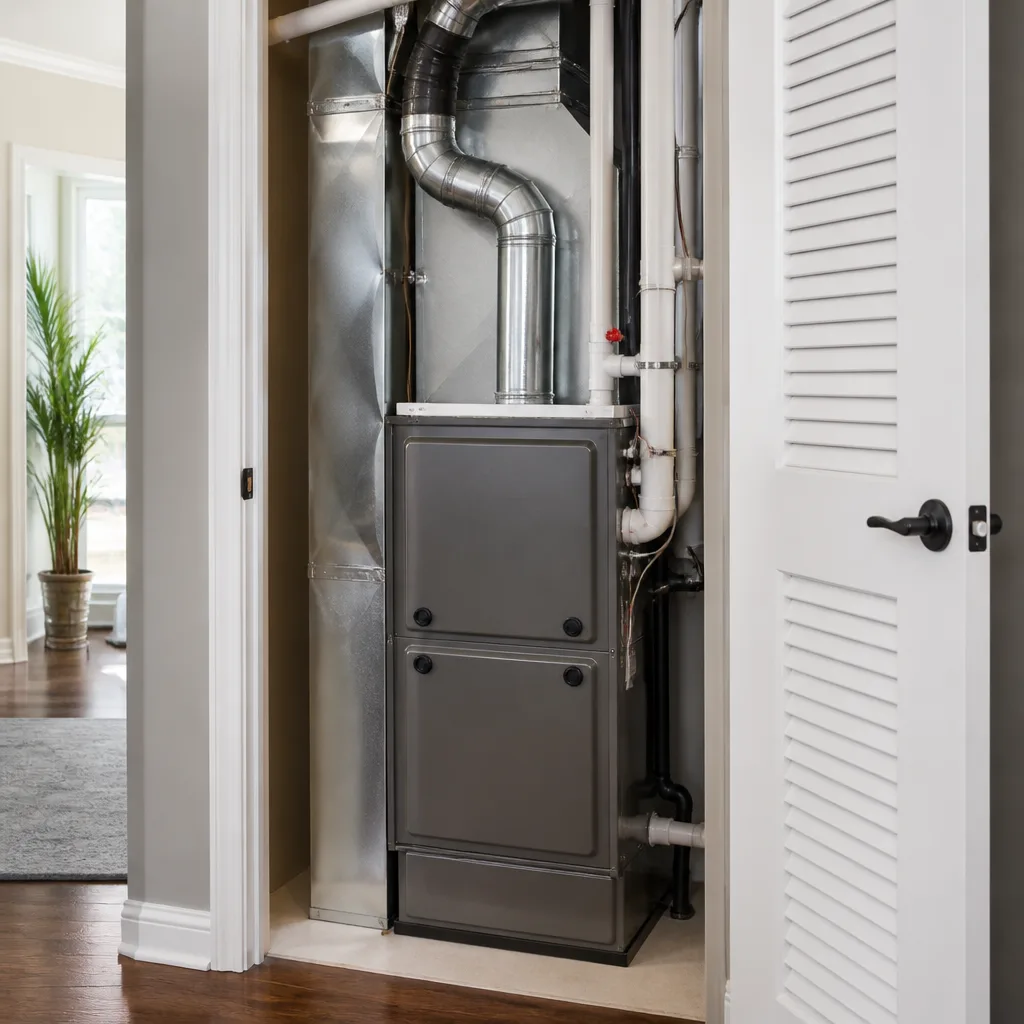 Furnace & heating
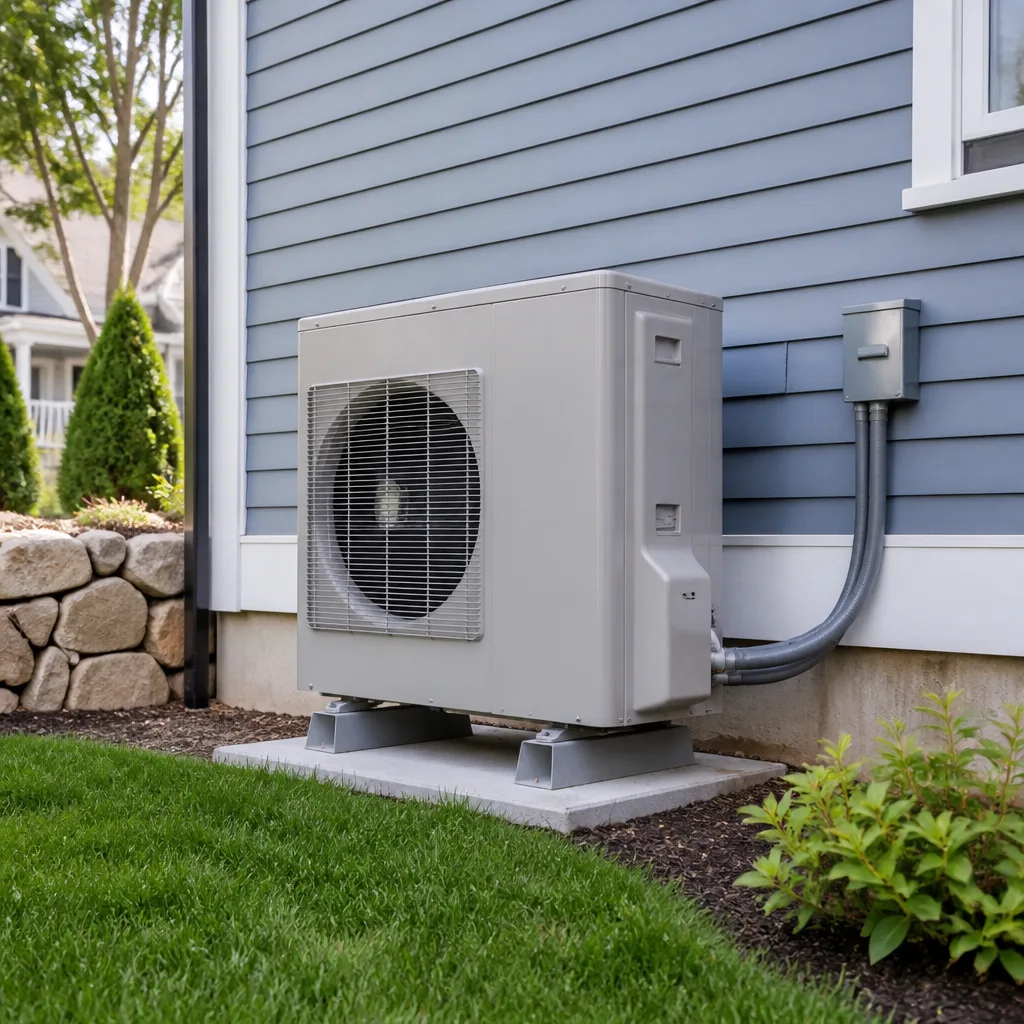 Heat pumps
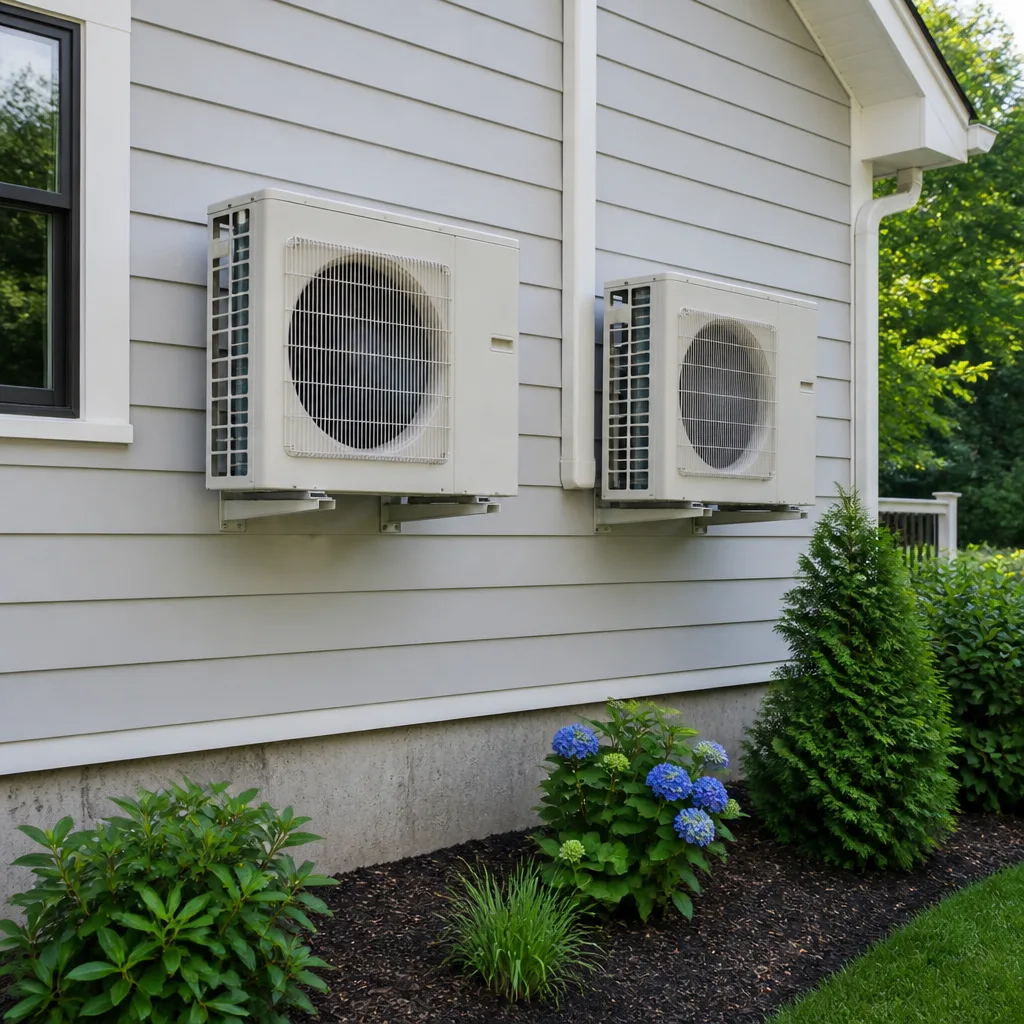 Ductless mini splits
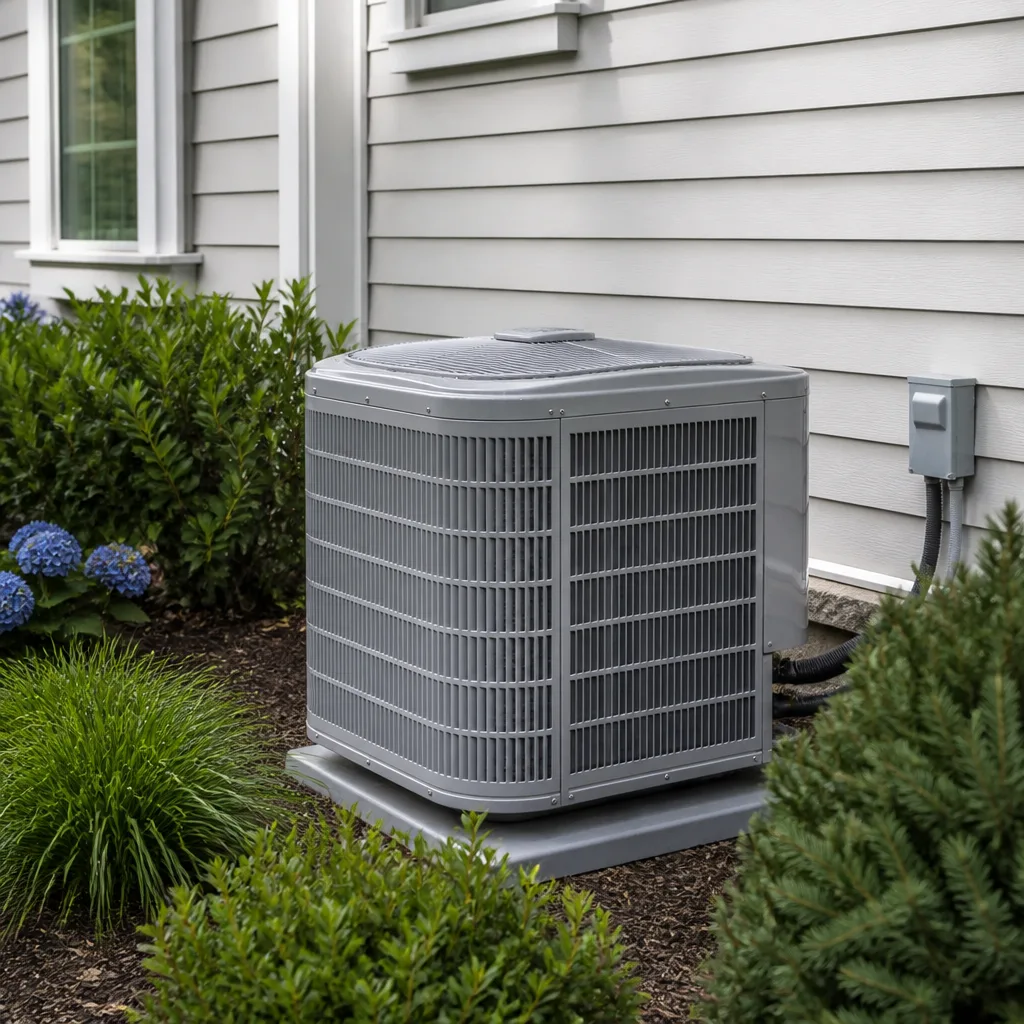 Carrier
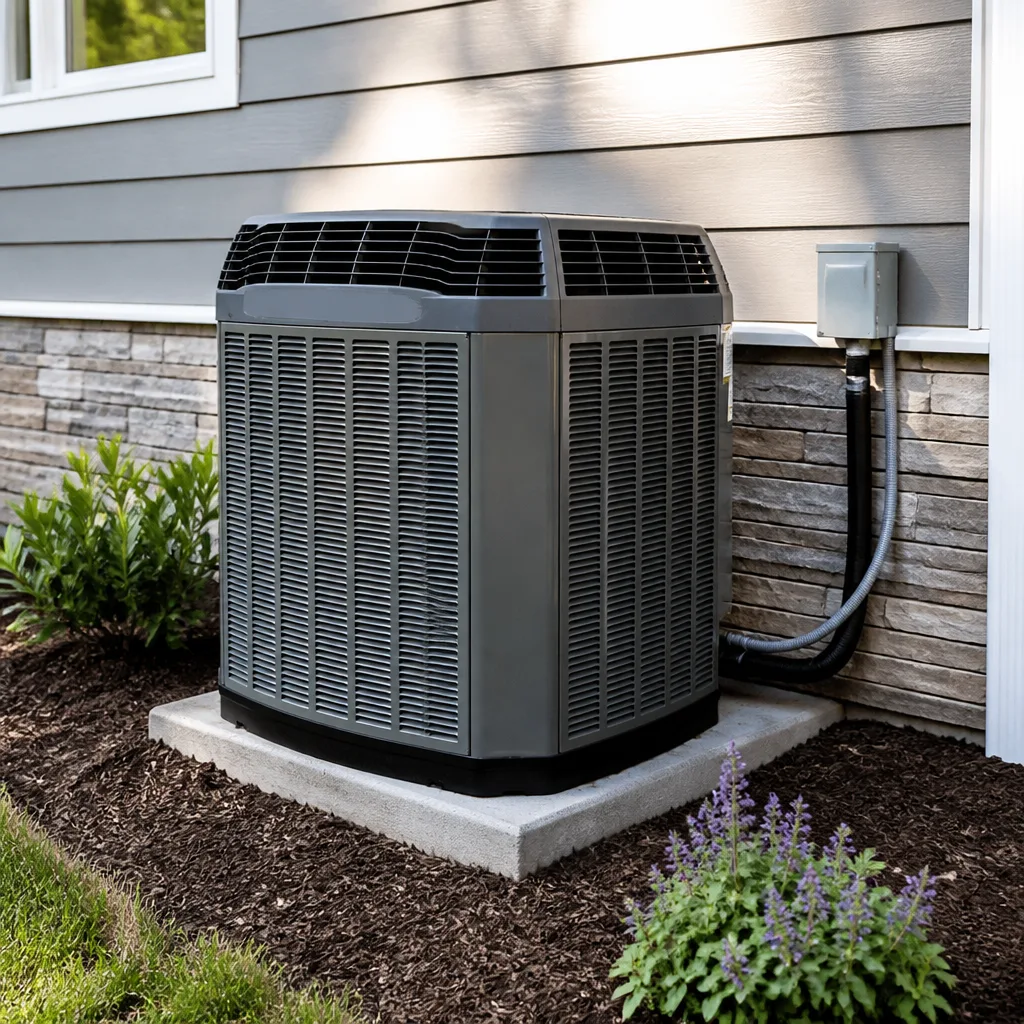 Trane
Trane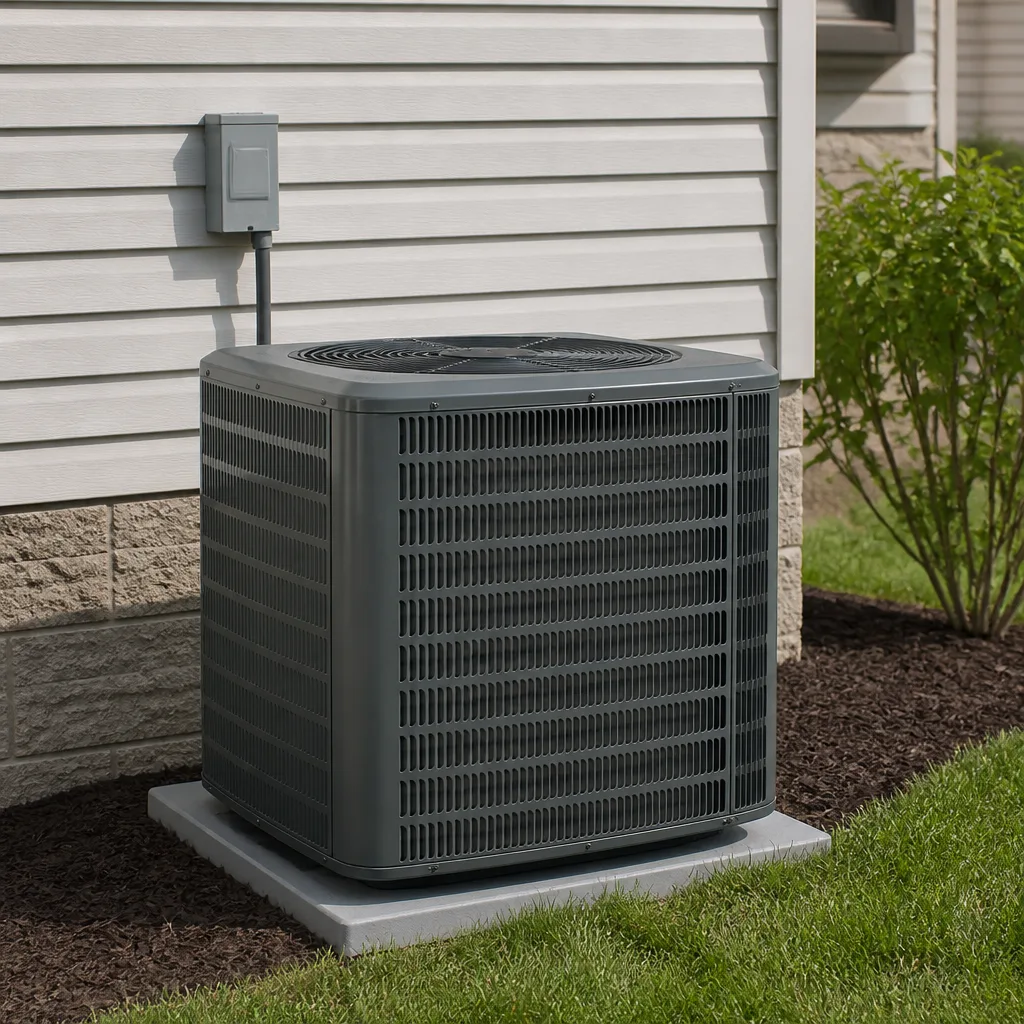 Goodman
Seasonal tune-up and full diagnostic on your Carrier, Trane, or Goodman system - readings shown to you before any repair is proposed
Diagnosis first, numbers second - you approve the repair price before a single part goes in.
Get your free estimateThe Complete Guide to HVAC in Fort Worth
Fort Worth logged 47 days above 100°F in 2023, but the HVAC failure most local homeowners don’t prepare for happens in February, not July. When an ice storm knocks out power and a heat pump struggles to recover, the real problem isn’t the equipment – it’s that the system was installed or maintained for a generic “Texas” climate rather than Fort Worth’s specific weather patterns, soil conditions, and housing stock. This guide covers what actually matters here: how clay soil affects ductwork, why west-facing homes need different sizing than shaded ones, what nine major brands cost to service locally, and how the Cedarwell Care Promise fills the gaps a manufacturer warranty leaves open. For more guides & resources, see our blog.
Styles & brands we work with
Quick Answer
HVAC service in Fort Worth means managing two extremes: air conditioning that must survive 100+ degree stretches from June through September, and heating that has to work reliably during occasional but serious winter ice events. Most Fort Worth homes need a properly sized system with a sealed ductwork network, annual maintenance before each peak season, and an HVAC partner who understands how the Trinity River’s humidity corridor and the area’s clay-heavy soil change the performance equation. The right system, sized correctly and maintained twice a year, typically lasts 15 to 20 years in this climate before replacement becomes the smarter financial choice.
Table of Contents
- The Fort Worth Climate Reality: Why Your HVAC Works Harder Here
- Why System Sizing Is Different in Fort Worth Than in the Rest of DFW
- AC Options and What They Cost to Run in Fort Worth
- Heating Systems: Furnaces, Heat Pumps, and the February Problem
- Ductwork, Clay Soil, and Crawl Spaces: What Fort Worth Homes Face
- The Nine Brands We Service and What They Cost in Fort Worth
- Oncor Rebates: What Fort Worth Homeowners Leave on the Table
- A Maintenance Schedule Built for Fort Worth’s Calendar
- What the Cedarwell Care Promise Covers That a Warranty Does Not
- Common Mistakes to Avoid
- When to Call a Professional
- Frequently Asked Questions
- The Bottom Line
The Fort Worth Climate Reality: Why Your HVAC Works Harder Here
Fort Worth sits in a climate transition zone. We get Dallas’s heat without Dallas’s denser urban canopy, and we get more winter ice than most people expect. The result is an HVAC system that needs to perform at both extremes of its design envelope, often within the same six months.
The summer challenge is straightforward. Fort Worth averages roughly 30 triple-digit days per year, but recent summers have pushed that number past 45. Humidity is the wildcard. Homes near the Trinity River, in neighborhoods like Mistletoe Heights, Ryan Place, or along the Clear Fork, carry more latent heat load than homes in higher, drier areas of west Fort Worth. An AC unit that’s stripping humidity properly makes a 78-degree room feel comfortable. The same room at 78 degrees with elevated humidity feels muggy and forces homeowners to overcool to compensate, which drives up electric bills from Oncor without improving comfort.
Winter is the overlooked season. Fort Worth doesn’t get Colorado cold, but we do get ice. When freezing rain coats a heat pump’s outdoor coil and the system spends more time in defrost mode than heating mode, a properly maintained system with auxiliary heat strips performs. An undersized or neglected system leaves the family shivering. And because winter is short, many homeowners skip furnace maintenance entirely, which is exactly when the February failure happens.
The takeaway: Fort Worth HVAC planning is not “Texas standard.” It is specific to this city’s two-season stress pattern, and maintenance should be scheduled around those two seasons rather than an arbitrary calendar.
Why System Sizing Is Different in Fort Worth Than in the Rest of DFW
The fastest way to guarantee an uncomfortable home and high utility bills is installing a system sized for a different neighborhood’s conditions. Fort Worth’s microclimates make sizing errors common, and the consequences show up within one season.
Here’s what a proper load calculation, often called a Manual J, accounts for in Fort Worth specifically:
- Western sun exposure. A home in west Fort Worth, in areas like Westcliff or along Camp Bowie with little shade canopy, absorbs punishing afternoon sun. An AC sized for a Southlake home with mature tree cover may be 25 to 30 percent undersized for that west-facing Fort Worth house.
- The Trinity River humidity corridor. Homes within a mile or so of the river need a system with better latent heat removal. That means either a two-stage or variable-speed compressor that runs longer at lower output, not a bigger single-stage unit that short-cycles.
- Clay-heavy soil and foundation movement. Fort Worth’s expansive clay soil shifts with moisture cycles. That movement flexes rigid ductwork connections over time. A properly sized blower can compensate for minor duct leakage; an undersized blower makes existing leakage worse.
- Attic ventilation realities. Many Fort Worth homes built between the 1950s and 1980s in neighborhoods like Ridglea Hills or Wedgwood have limited attic ventilation. Ductwork in those attics absorbs more heat than the same ductwork in a newer Arlington or Frisco home.
- Window orientation and glazing. Single-pane windows on south and west facades, common in Fort Worth’s historic districts like Fairmount, add measurable heat load that a square-footage-only estimate ignores.
When Luis Serrano and the team at Meadowsweet Heating and Air Fort Worth evaluate a home for replacement, the first step is measuring the actual house, not extrapolating from the old system’s tonnage. The old system was probably sized wrong, and repeating its size repeats the problem. We’ve seen plenty of Fort Worth homes with a 5-ton system where a properly sealed and sized 3.5-ton variable-speed unit would cool better and cut energy use.
- Measure square footage, ceiling heights, and window area by orientation.
- Inspect attic insulation depth and ductwork condition.
- Check for air leakage at supply registers and return plenums.
- Run a Manual J load calculation using actual Fort Worth weather data.
- Present the calculated size, with a written price for the recommended system before any work starts.
This is what we mean by doing the job right the first time. A correctly sized system is the difference between a house that holds 72 degrees on a 107-degree July afternoon and a house where the thermostat says 72 but every room feels different.
AC Options and What They Cost to Run in Fort Worth
Air conditioning is the single largest energy line item in a Fort Worth home. Choosing the right equipment type matters more than brand selection, and the price difference between good and great is not always as wide as people assume.
Fort Worth homeowners generally choose from three AC configurations:
1. Single-Stage Systems
These are the workhorses: fixed output, either on or off. They’re the least expensive to install and easy to repair, but they run at full blast whenever they run, which means less dehumidification and more temperature swings. A single-stage 14 SEER2 system installed in an average Fort Worth home typically runs $5,500 to $8,000 installed, depending on home layout and ductwork condition.
2. Two-Stage Systems
Two-stage compressors run at low capacity roughly 80 percent of the time and kick to high on extreme days. Low-stage operation runs longer cycles, which strips more humidity, evens out room temperatures, and reduces electric bills. For Fort Worth’s humidity pockets along the river, this is often the best value. Installed pricing typically falls between $8,500 and $12,000 for a full system.
3. Variable-Speed Inverter Systems
Variable-speed equipment modulates from roughly 30 percent output to 100 percent in small increments. It’s the most comfortable, quietest, and most efficient option, and it handles Fort Worth’s shoulder seasons with remarkable finesse. Installed pricing for a complete variable-speed system in Fort Worth ranges from $12,000 to $18,000, and the efficiency gains on a properly insulated home are real.
Key takeaway: a two-stage system is usually the sweet spot for Fort Worth homeowners who want meaningful comfort improvement without variable-speed pricing. But the right answer depends on the home. We also recommend looking at the SEER2 rating, which is the efficiency metric that replaced SEER in 2023 and reflects real-world performance more accurately.
For a detailed breakdown of repair costs, see our AC Repair in Fort Worth page, where we cover common failures and what they cost to fix locally.
Heating Systems: Furnaces, Heat Pumps, and the February Problem
Heating in Fort Worth is a 14-week season, give or take. Winters are mild on average and bitter on occasion. February is when under-maintained systems reveal themselves, and it’s usually a gas furnace with a failed ignitor or a heat pump with a refrigerant leak that’s been quietly getting worse since the previous winter.
Gas Furnaces
Natural gas furnaces are the most common heating source in Fort Worth. A modern 80-percent-efficiency furnace vents through an existing chimney or flue and costs less upfront. A 96-percent-efficiency condensing furnace vents through PVC pipes and uses sealed combustion, which is safer and more efficient, and it qualifies for many utility rebates. Furnace replacement in Fort Worth typically runs $4,500 to $7,500 installed, with high-efficiency condensing models at the top of that range.
Heat Pumps
Heat pumps are gaining ground in Fort Worth. A heat pump is an air conditioner that reverses in winter, moving heat from outside air into the home. Modern cold-climate heat pumps perform well down to single-digit temperatures, which covers everything a Fort Worth winter has thrown at us in recent history. Heat pump installation runs $7,000 to $13,000 depending on equipment tier, and the efficiency advantage in our mild winters makes them an increasingly attractive replacement path.
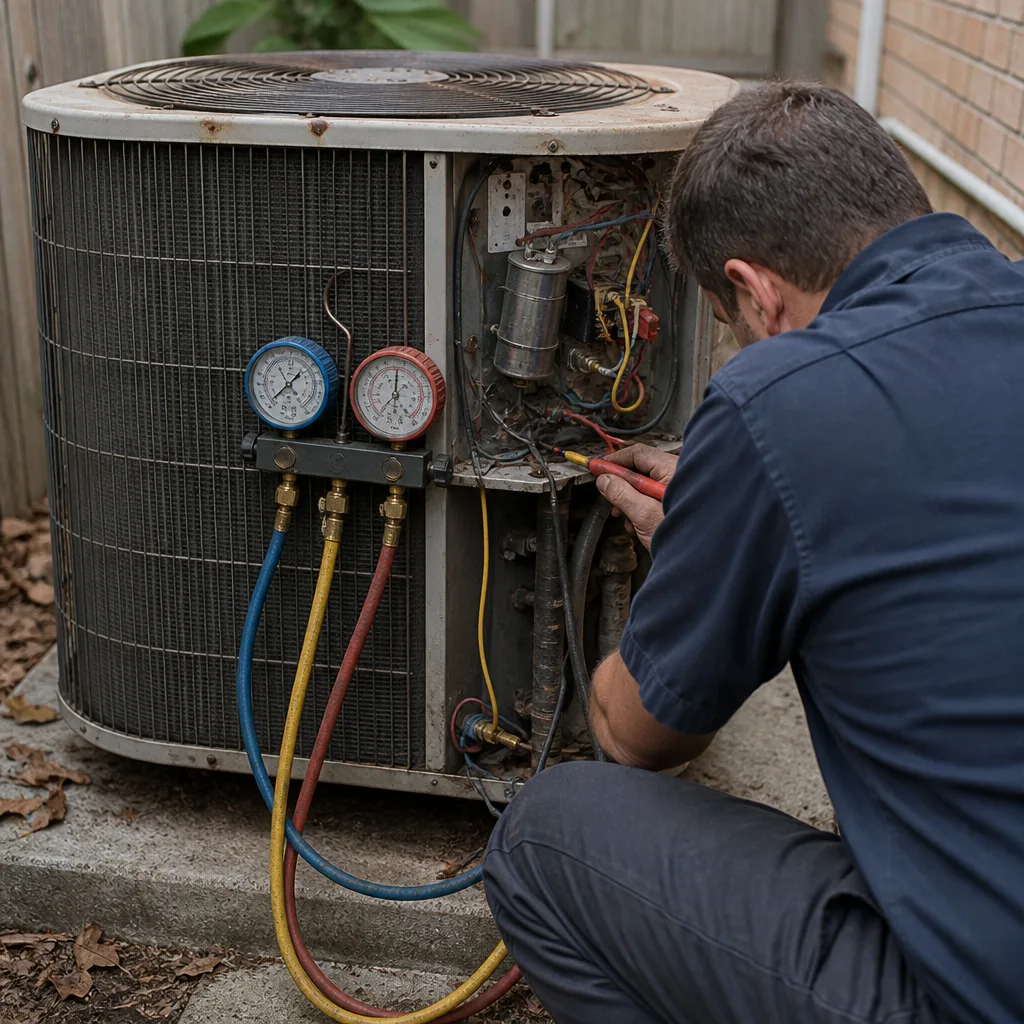
See the difference
 Before
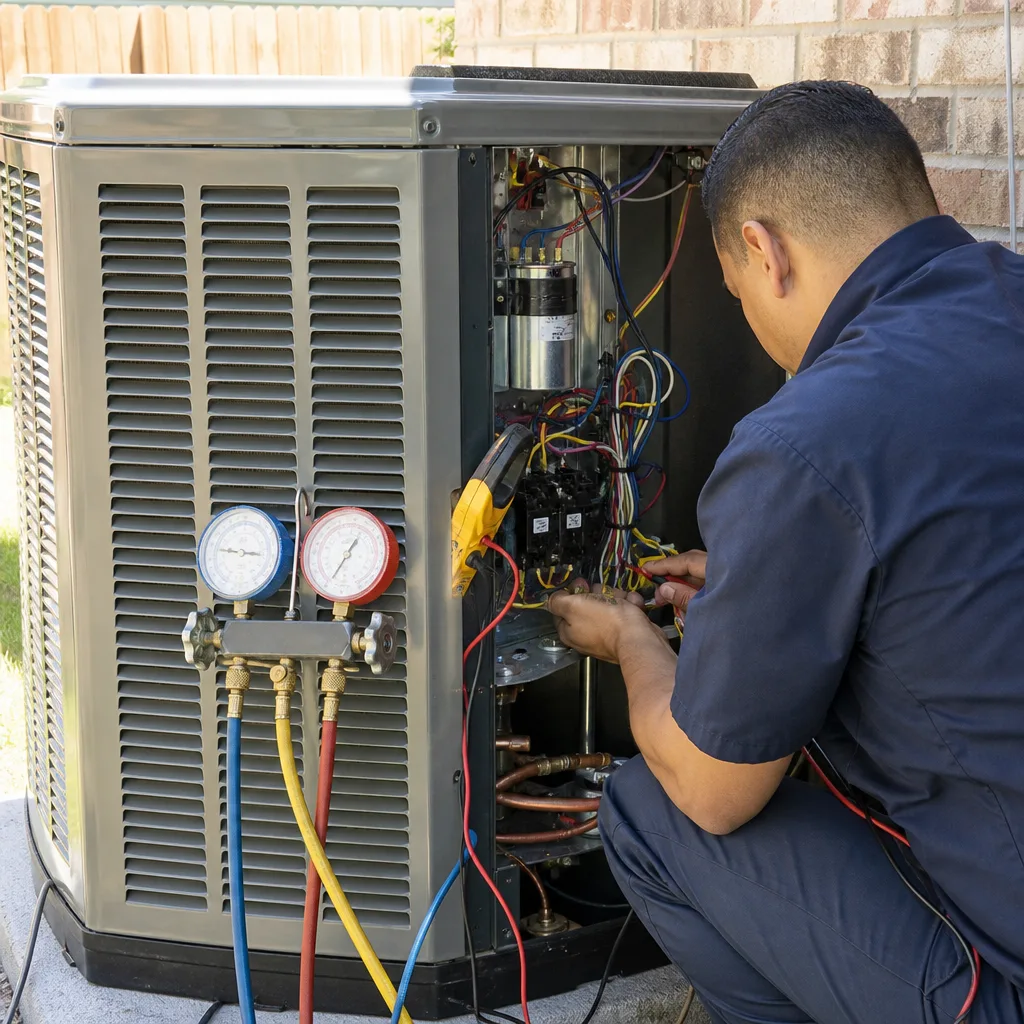 After
After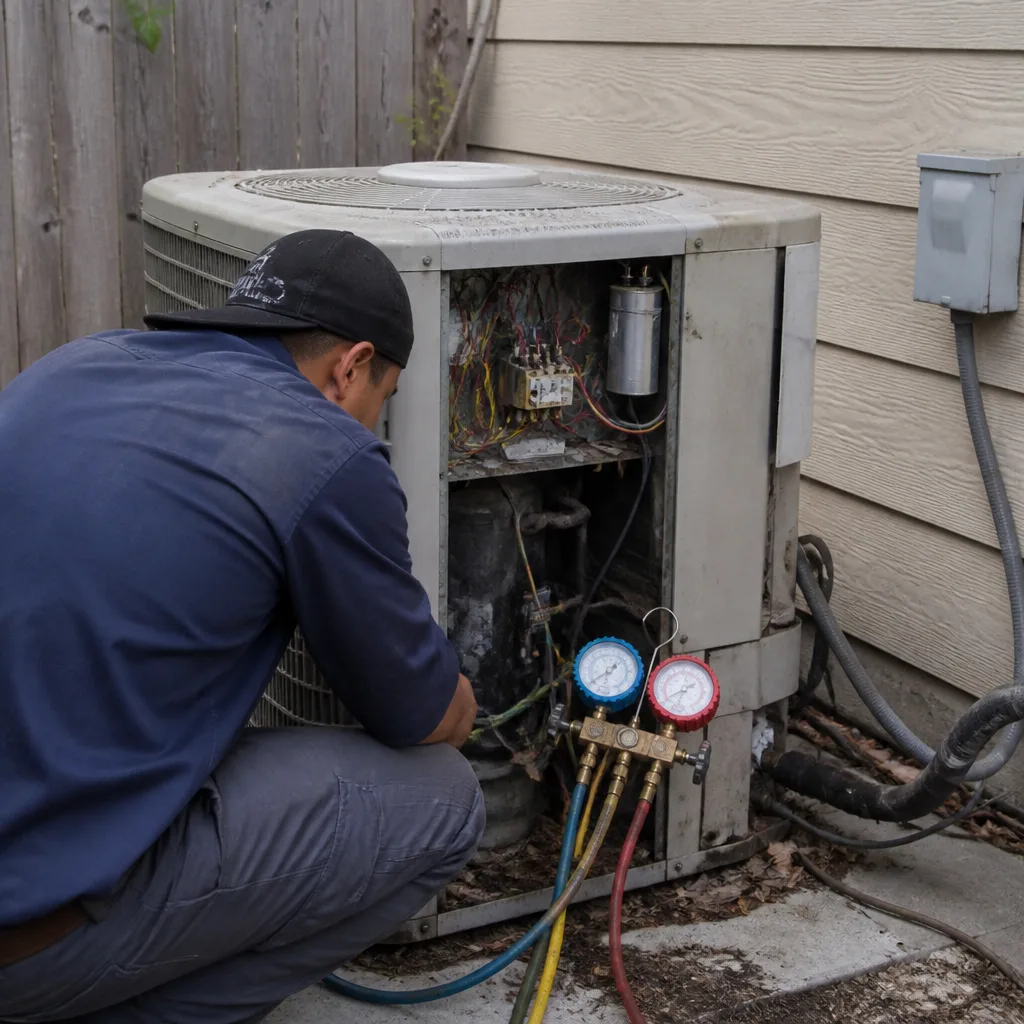 Before
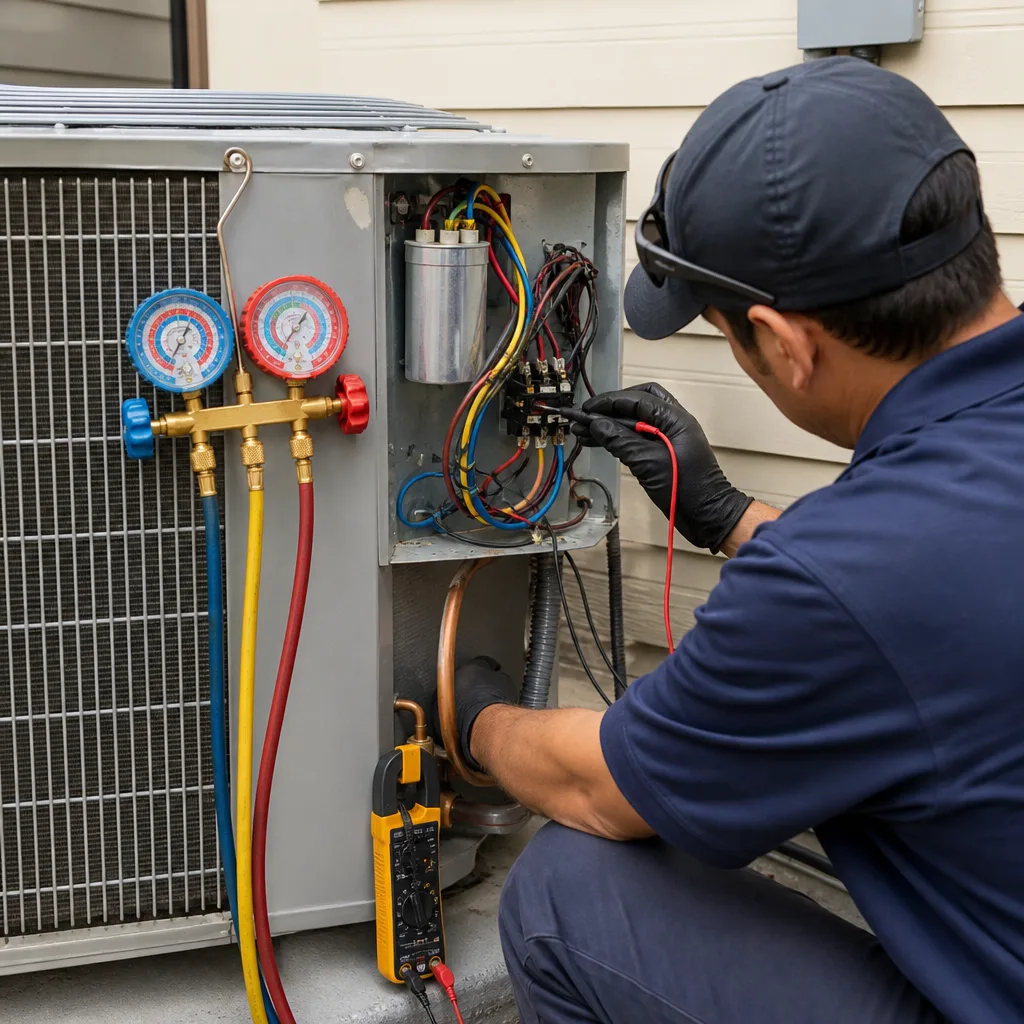 After
After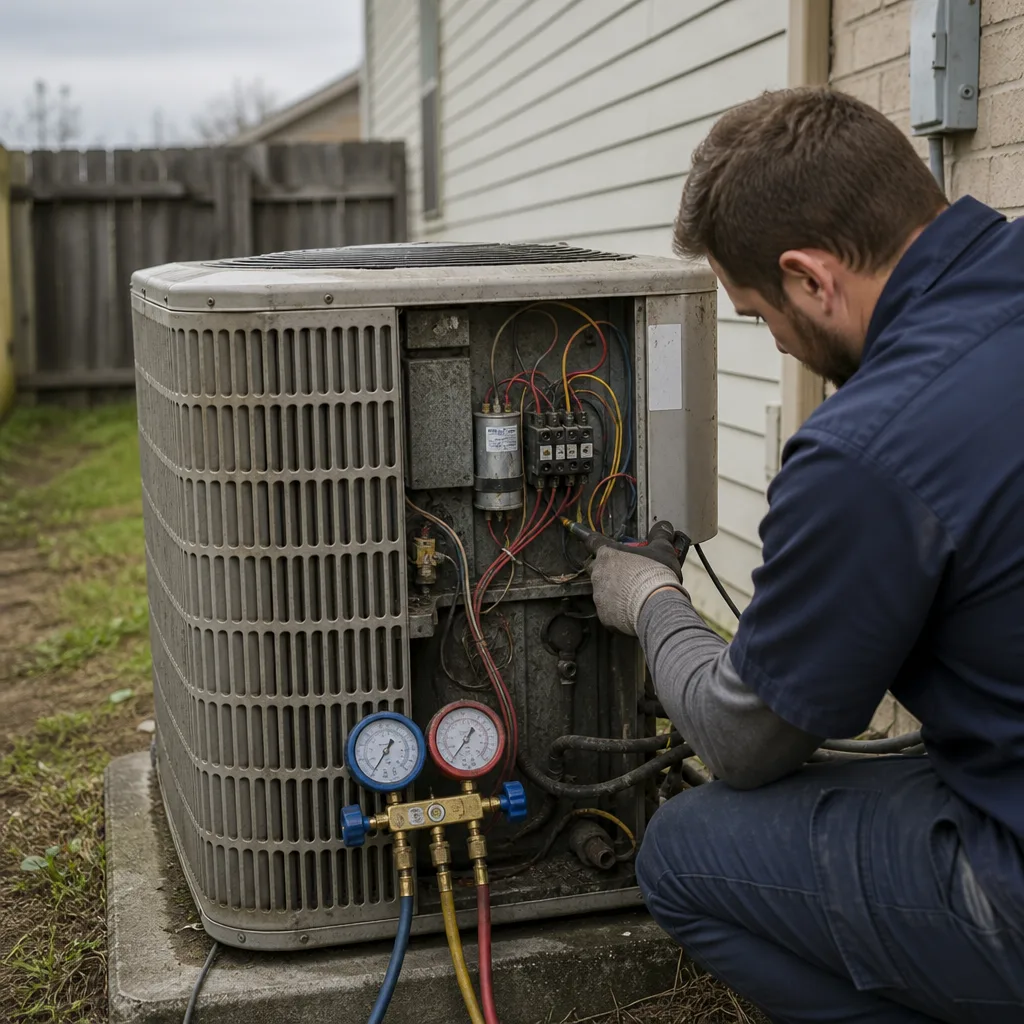 Before
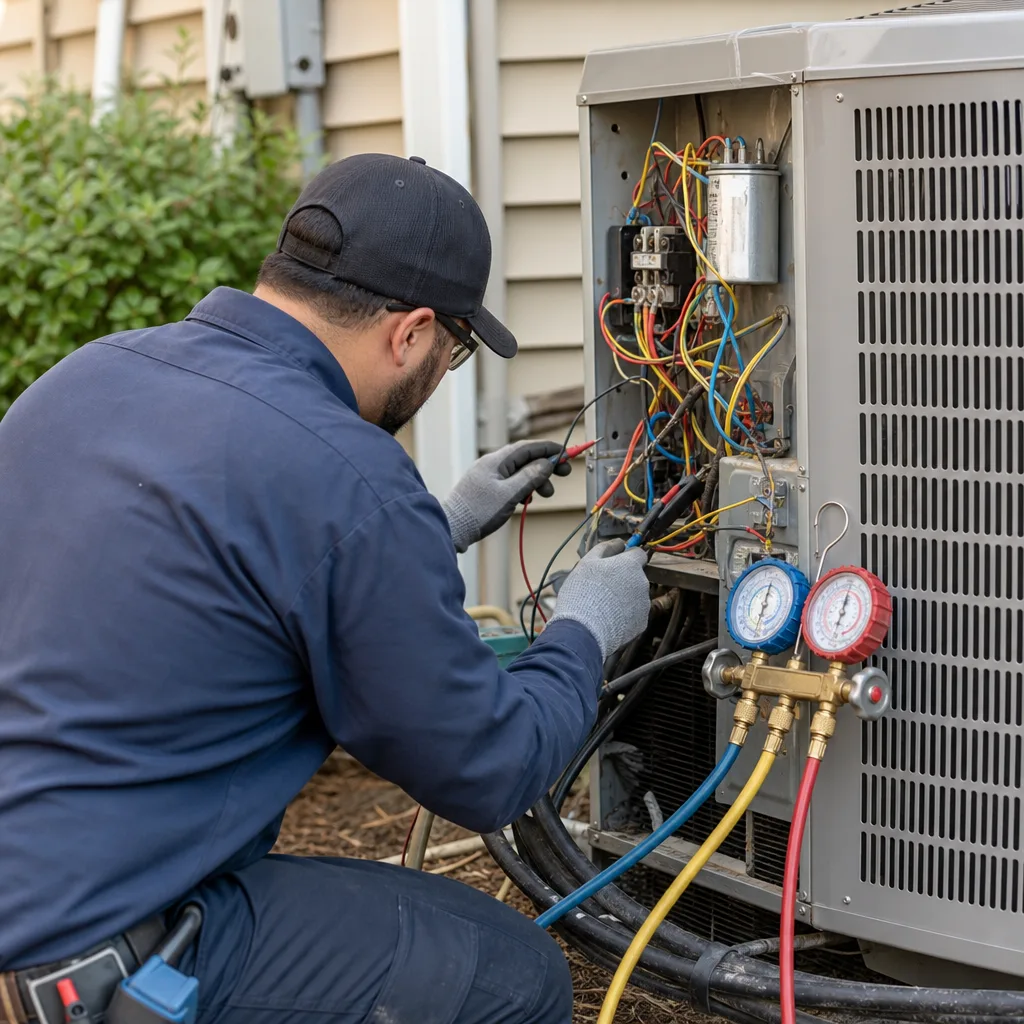 After
AfterDual-Fuel Systems
A dual-fuel system pairs a heat pump with a gas furnace. The heat pump handles cooling and milder heating days; the furnace takes over when temperatures drop below a set point, typically 35 to 40 degrees. This is the most efficient heating setup for Fort Worth’s temperature swings, and it’s becoming the preferred replacement for homes that currently have both an AC and a furnace. Pricing lands between $10,000 and $15,000 installed.
For specifics on furnace issues, visit our Furnace Repair in Fort Worth page.
Ductwork, Clay Soil, and Crawl Spaces: What Fort Worth Homes Face
Fort Worth’s soil is the quiet enemy of HVAC efficiency. The city sits on expansive clay that swells when wet and contracts when dry, and those movements transmit through foundations and into rigid ductwork. Over a decade, a home’s duct system can develop enough leakage to waste 20 to 30 percent of conditioned air into attics and crawl spaces.
Homes built on crawl spaces, common in older Fort Worth neighborhoods like Berkeley Place and Oakhurst, face a different set of issues than slab-on-grade homes. Crawl-space ductwork is exposed to semi-outdoor humidity, and tears or disconnections let humid outside air get pulled into the return side. That humidity then gets distributed through the house, making the AC work harder and creating the conditions for musty smells in bedrooms and closets.
Here’s what we look for when evaluating ductwork in a Fort Worth home:
- Mastic sealing at plenum connections. Tape fails. Proper mastic and mesh reinforcement is the standard that lasts.
- Supply and return balance. A Fort Worth home with a single central return often has pressure imbalances that force doors to slam and hot upstairs rooms in summer.
- Flex duct sag and compression. Improper support spacing in hot attics causes flex duct to collapse or kink, strangling airflow to certain rooms.
- Crawl-space encapsulation status. Unencapsulated vents in humid river-corridor areas create condensation inside duct insulation, which then drips into the crawl space and feeds mold growth.
- Duct sizing versus system airflow. A new high-efficiency blower moving more air through old 6-inch branch ducts creates noise and static pressure problems. Duct renovation is often necessary.
Duct sealing and modest duct renovation in Fort Worth typically costs $1,500 to $5,000 depending on how much of the system needs attention. It’s not glamorous work, but it’s often the difference between a house that cools evenly and one where the family fights over the thermostat.
The Nine Brands We Service and What They Cost in Fort Worth
Meadowsweet Heating and Air Fort Worth services nine major equipment brands: Carrier, Trane, Lennox, Goodman, Rheem, York, Daikin, Bryant, and American Standard. These brands dominate the Fort Worth market, and each has different parts availability, warranty structures, and local service economics.
Parts lead times matter in Texas. During a July heat wave, a compressor for a Carrier or Trane unit can often be sourced from a regional distributor in one to two days. A less common Daikin inverter board might take three to five days if the distributor’s Fort Worth warehouse is out of stock. That difference matters when a family is waiting out 105-degree heat.
Here’s a practical breakdown of what homeowners should know about the brands we service most often in Fort Worth:
- Carrier and Bryant are sibling brands with strong parts networks in DFW. Repair parts are widely stocked at North Texas distributors, which means shorter wait times during peak summer. Mid-range to premium pricing.
- Trane and American Standard are also sibling brands known for sturdy construction. Fort Worth distributors stock common parts well. Slightly higher installed cost, with strong long-term reliability track records in local homes.
- Lennox has a large installed base in Fort Worth, especially in homes built between 1990 and 2015. Parts are generally available, though some proprietary components cost more than generic alternatives.
- Rheem and York offer solid value at lower installed pricing. York’s distributor network in DFW has improved significantly in recent years. Repair economics on these brands are favorable for budget-conscious homeowners.
- Goodman and Daikin are value-oriented and have the widest distribution in Texas. Goodman parts are about the easiest to source in Fort Worth, and Daikin’s variable-speed systems deliver strong efficiency per dollar.
The brand matters less than the installation quality and the ongoing maintenance relationship. A builder-grade Goodman installed perfectly will outperform a premium Carrier that was slapped in with leaky ducts and a mismatched coil. That said, we’re honest with Fort Worth homeowners about parts availability before recommending any replacement equipment.
If you’re ready to explore a new system, browse our AC Installation in Fort Worth page for a full walkthrough of how we approach replacement projects.
Oncor Rebates: What Fort Worth Homeowners Leave on the Table
Oncor runs energy-efficiency rebate programs for residential customers throughout its service territory, which includes Fort Worth. Every year, Fort Worth homeowners leave significant rebate dollars unclaimed simply because they either don’t know about the programs or miss the application windows.
The programs that matter most for Fort Worth HVAC decisions:
- AC replacement rebates. Oncor offers rebates for replacing older, inefficient AC systems with properly sized high-efficiency equipment. Typical rebates range from $300 to $1,200 depending on the SEER2 rating of the new system and whether the home’s ductwork was sealed as part of the project.
- Heat pump rebates. Converting from a conventional AC to a heat pump or dual-fuel system often qualifies for enhanced rebates, commonly $500 to $2,000 depending on equipment tier and seasonal performance.
- Duct sealing rebates. Oncor pays for a portion of professional duct sealing when performed according to program guidelines. These rebates typically cover $200 to $600 of the sealing cost.
- Smart thermostat rebates. Installing a qualifying smart thermostat can yield $50 to $150 in rebates, often applied automatically through participating installers.
The catch: Oncor rebate windows align with program-year funding cycles, which open each year and close when funds are exhausted. Funds run out faster in hot summers because demand spikes. The homeowners who schedule replacement work in spring, before the July rush, are more likely to lock in rebates before seasonal funding draws down.
Meadowsweet Heating and Air Fort Worth handles the paperwork on rebate applications as part of the installation process. We verify current rebate amounts before presenting a written price, so the number on the quote reflects what the homeowner will actually pay after any applicable rebate.
For a look at the broader picture of what a new system costs, see our AC Installation in Fort Worth page on full system replacement.
A Maintenance Schedule Built for Fort Worth’s Calendar
Generic advice says “tune up your HVAC twice a year.” Fort Worth homeowners need a schedule aligned to actual seasonal transitions, not arbitrary dates. Here’s the calendar that works here:
Late February to Early March: Cooling Season Prep
- Replace or clean air filters. In Fort Worth’s spring pollen season, consider upgrading to MERV 8 to 11 filters without restricting airflow.
- Clean the outdoor condenser coil. Winter leaves, cottonwood debris, and clay dust accumulate over the dormant season.
- Check refrigerant charge. Low refrigerant indicates a leak, and fixing it in March costs less than discovering it in July.
- Test the system’s cooling cycle and measure temperature drop across the evaporator coil.
- Inspect condensate drain lines. Fort Worth’s spring humidity loads these lines quickly, and a clogged drain means water damage in the home.
Late September to Early October: Heating Season Prep
- Inspect the heat exchanger or heat pump components for cracks, corrosion, or wear.
- Test the ignition system on gas furnaces and clean the flame sensor.
- Verify carbon monoxide detector function. This is non-negotiable for gas-heated Fort Worth homes.
- Lubricate blower motor bearings where applicable and check the blower wheel for balance.
- Set the thermostat to heating and measure temperature rise across the heat exchanger or coil.
Each visit from our team includes a written report of what was found, what was done, and what should be watched. We don’t pressure homeowners into repairs they don’t need. If something is borderline, we say so and let the homeowner decide with complete information.
What the Cedarwell Care Promise Covers That a Warranty Does Not
A manufacturer warranty covers the equipment. If a compressor fails within the warranty period, the manufacturer provides a replacement part. That’s valuable, but it leaves gaps that a standard warranty was never designed to close.
The Cedarwell Care Promise, part of the Cedarwell family of HVAC companies founded in 2004, fills those gaps with specific, enforceable commitments:
- Written price before work starts. No estimate ambiguity. The number on the quote is the number on the invoice, period.
- 365-Day Done Right Promise. If the repair or installation isn’t done right, Meadowsweet makes it right. No fine print, no runarounds. This covers workmanship for a full year, which is longer than many installation warranties on labor.
- Shoe covers and drop cloths on every visit. This protects floors, carpets, and play areas. It’s standard practice on every job, not an add-on.
- A photo of the clean-up before the crew leaves. Homeowners see exactly how the work area was left. If the family is at work during the visit, the photo arrives by text.
- Live phone answer, 24/7. Nights, weekends, and holidays, a human picks up. No voicemail queue when a Fort Worth family discovers a failed system at 9 p.m. on a Sunday.
- Background-checked, uniformed technicians who follow the C.A.R.E. values code: Clean up like it’s their own home, Ask before moving anything, Respect the family’s time and quiet hours, Explain the price before the work begins.
In plain language: the manufacturer covers the part. The Cedarwell Care Promise covers the experience, the workmanship, and the condition of the home when the work is done. That’s the difference Luis Serrano and the team are accountable to.
For more about who we are and how we work, visit the Meadowsweet Heating and Air Fort Worth home page.
Common Mistakes to Avoid
- Skipping the pre-summer tune-up because “it worked last year.” Fort Worth AC systems lose efficiency gradually, and a system that underperformed quietly all last summer will fail loudly this year. March maintenance catches problems when parts are in stock and the weather is mild.
- Buying an AC based on the tonnage of the old system. The old system may have been sized wrong from the start, especially in Fort Worth homes with western sun exposure or river-corridor humidity. Proper load calculation is essential.
- Ignoring duct leakage. Sealing ducts is unglamorous but produces immediate comfort and energy savings. Sealed ducts in a Fort Worth home can reduce cooling costs by 15 to 20 percent.
- Choosing the cheapest quote without comparing scope. A low quote often omits duct sealing, pad replacement, or code-required items. Ask what’s included, ask what’s not, and compare written prices line by line.
- Delay replacing a 20-year-old R-22 system. R-22 refrigerant is phased out, and repair costs are climbing. A Fort Worth homeowner spending $1,800 on a refrigerant top-off for a dying system is paying a down payment on a problem that’s not going away.
- Forgetting that the furnace matters too. The February failure is real. Heating maintenance in October is the cheapest insurance a Fort Worth homeowner can buy against an ice-storm emergency.
When to Call a Professional
Some HVAC issues are DIY-appropriate: changing a filter, clearing the area around an outdoor condenser, resetting a tripped breaker. Others are not, as covered in our DIY vs Professional HVAC: The Fort Worth Homeowner’s Decision Guide. Elevated or high-tension electrical connections inside the system carry serious injury risk and should only be handled by a trained professional. Gas furnace repairs involving the burner assembly or gas valve can create carbon monoxide risk if done incorrectly. Refrigerant handling requires EPA certification by law.
If your Fort Worth home is uncomfortable in specific rooms, if the system short-cycles, if utility bills have spiked without a change in usage, or if the thermostat is set to 72 but the house reads 78 on a July afternoon, those are signs that a professional diagnosis is the right next step. Meadowsweet Heating and Air Fort Worth offers free estimates in Fort Worth – call (682) 610-2888 and a live person will answer.
Frequently Asked Questions
A complete HVAC system replacement in Fort Worth typically runs $5,500 to $18,000 depending on equipment tier, home size, and ductwork condition. See our HVAC Cost Breakdown: The Fort Worth Homeowner’s Reference for 2026 for detailed pricing. Single-stage systems sit at the low end, variable-speed inverter systems at the high end.
Twice a year, once in late winter before cooling season and once in early fall before heating season. Fort Worth’s clay dust, pollen, and summer heat load make seasonal maintenance more important than in milder climates.
Replace when the system is over 15 years old, requires refrigerant that’s no longer available (R-22), or needs a repair exceeding about half the cost of a new system. A proper diagnosis with written pricing makes the decision concrete.
During peak summer demand, same-day repair slots fill fast, but we prioritize families without working AC, especially those with young children or pets in the home. Call (682) 610-2888 and a live person will check availability immediately.
Yes. Oncor offers rebates for high-efficiency AC replacement, heat pump conversion, and duct sealing. Amounts vary by program year and equipment tier, typically ranging from $300 to $2,000. We handle the paperwork as part of installation.
Meadowsweet Heating and Air Fort Worth services nine brands: Carrier, Trane, Lennox, Goodman, Rheem, York, Daikin, Bryant, and American Standard. This coverage means most Fort Worth homes can be serviced without needing a different contractor.
The Bottom Line
Fort Worth’s HVAC demands are its own: extreme summer heat, occasional ice-storm winters, clay soil that flexes ductwork, and humidity corridors that punish undersized systems. The right HVAC approach is built on proper sizing for the specific home, seasonal maintenance aligned to the city’s weather calendar, sealed ductwork, and honest pricing. Manufacturer warranties cover the equipment. The Cedarwell Care Promise covers what happens in the home during and after the visit. That combination of technical rigor and household accountability is what Fort Worth families should expect from an HVAC partner in this city.
Written by Luis Serrano, Owner at Meadowsweet Heating and Air Fort Worth, serving Fort Worth since 2004.