
Last updated October 16, 2026
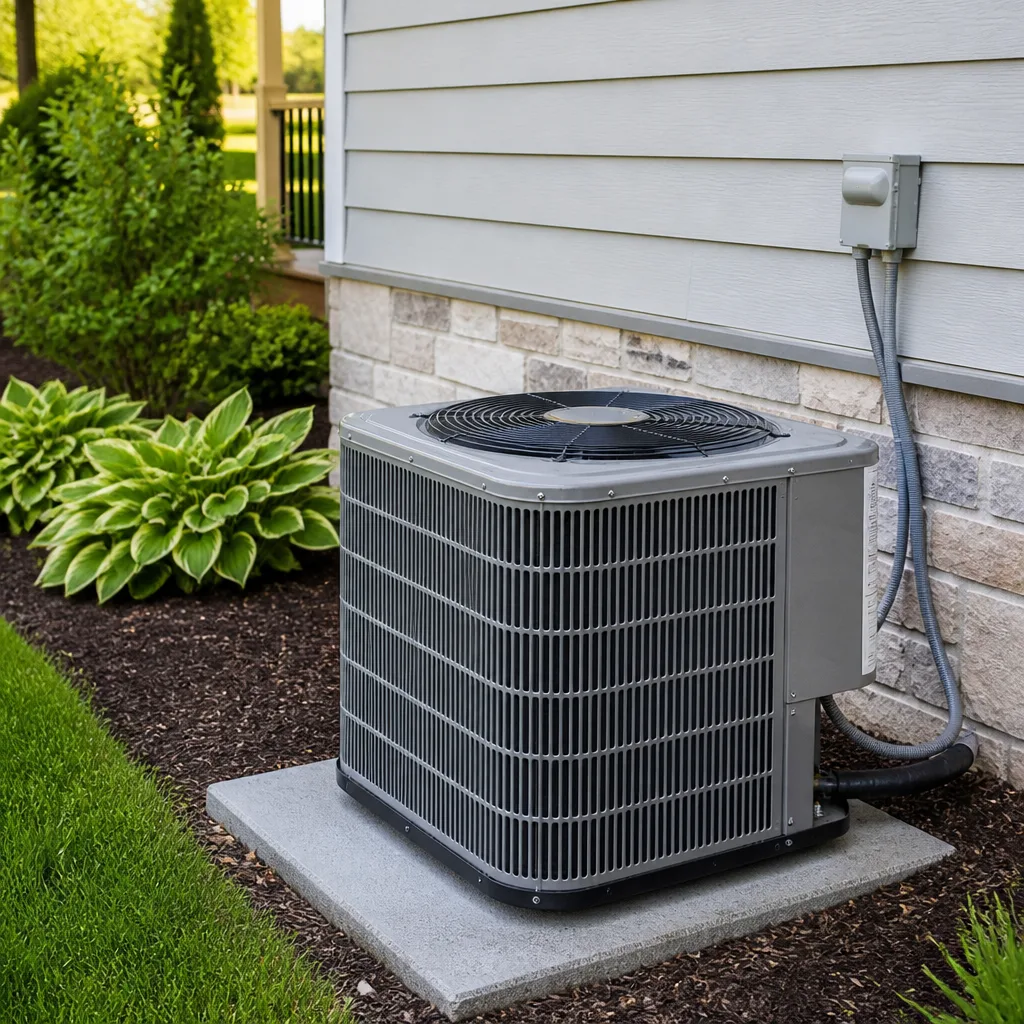 AC repair
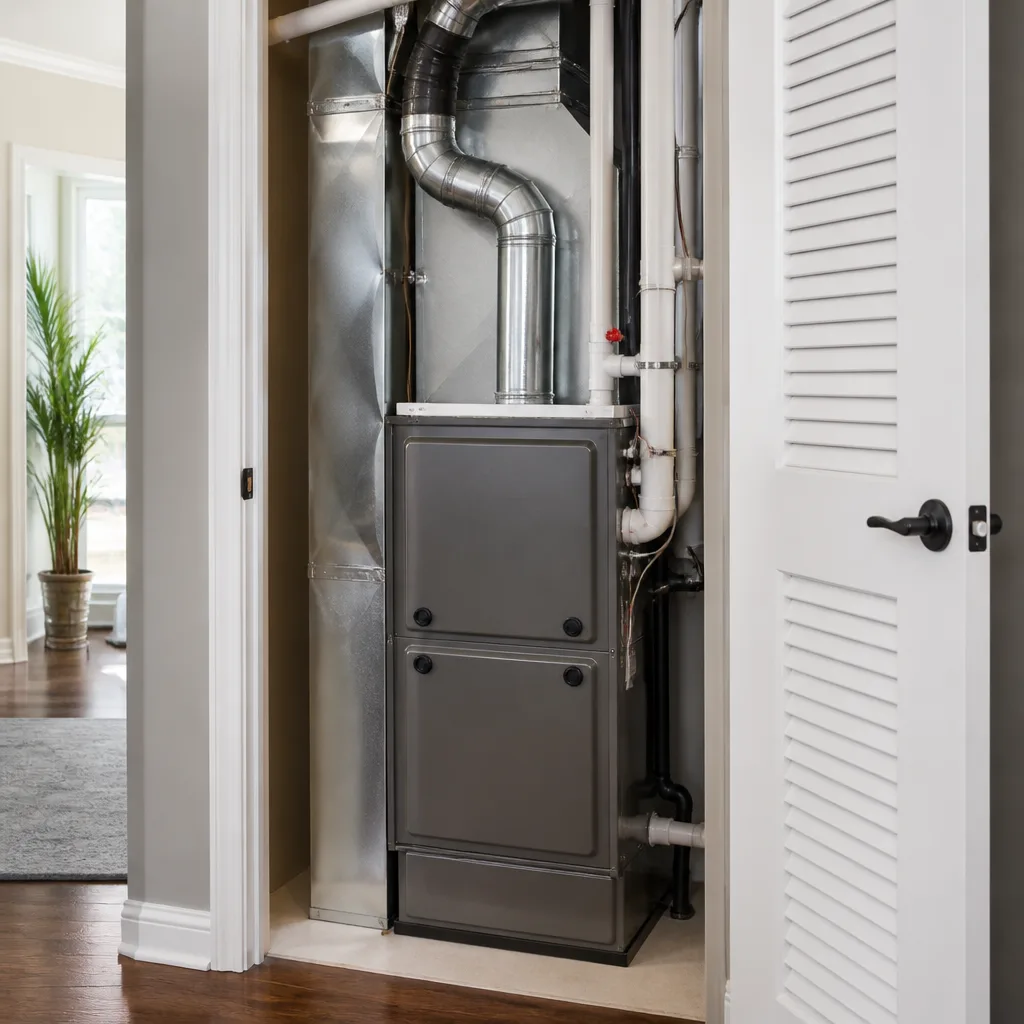 Furnace & heating
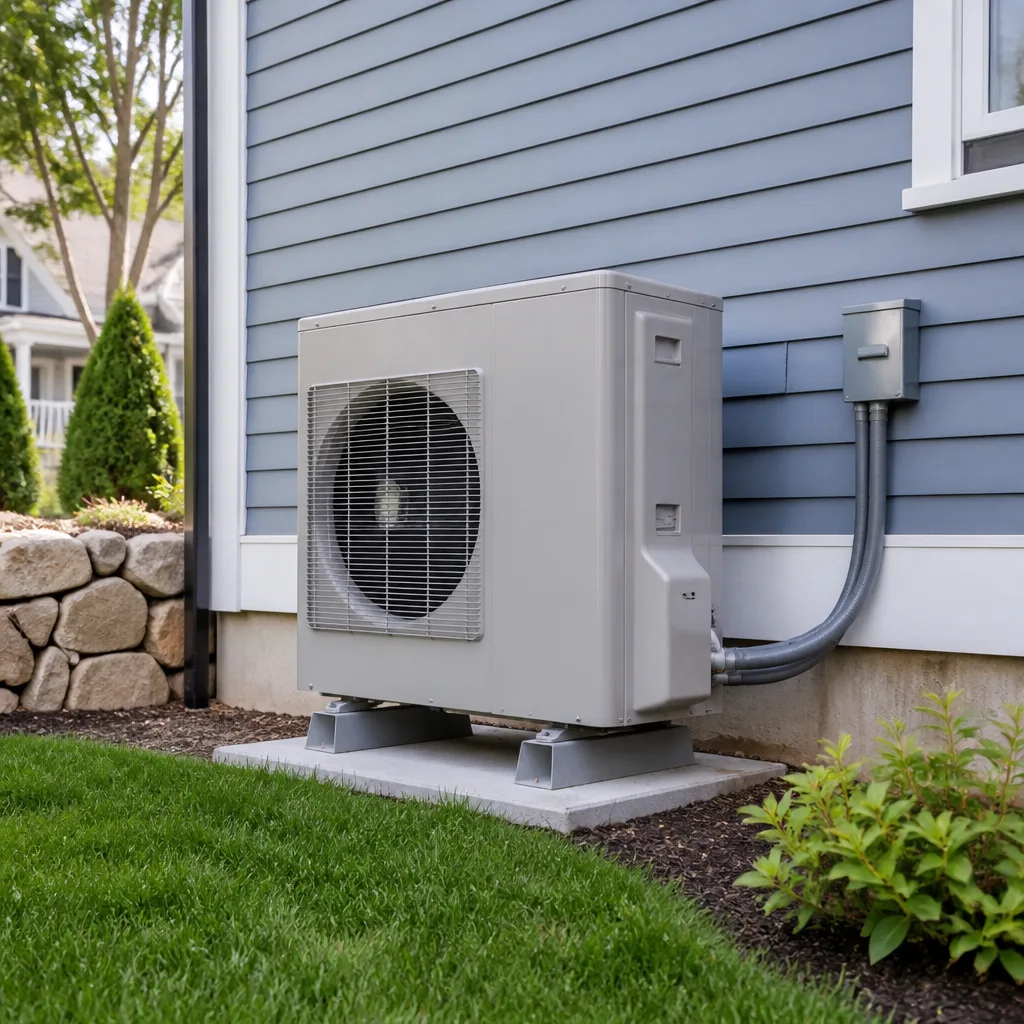 Heat pumps
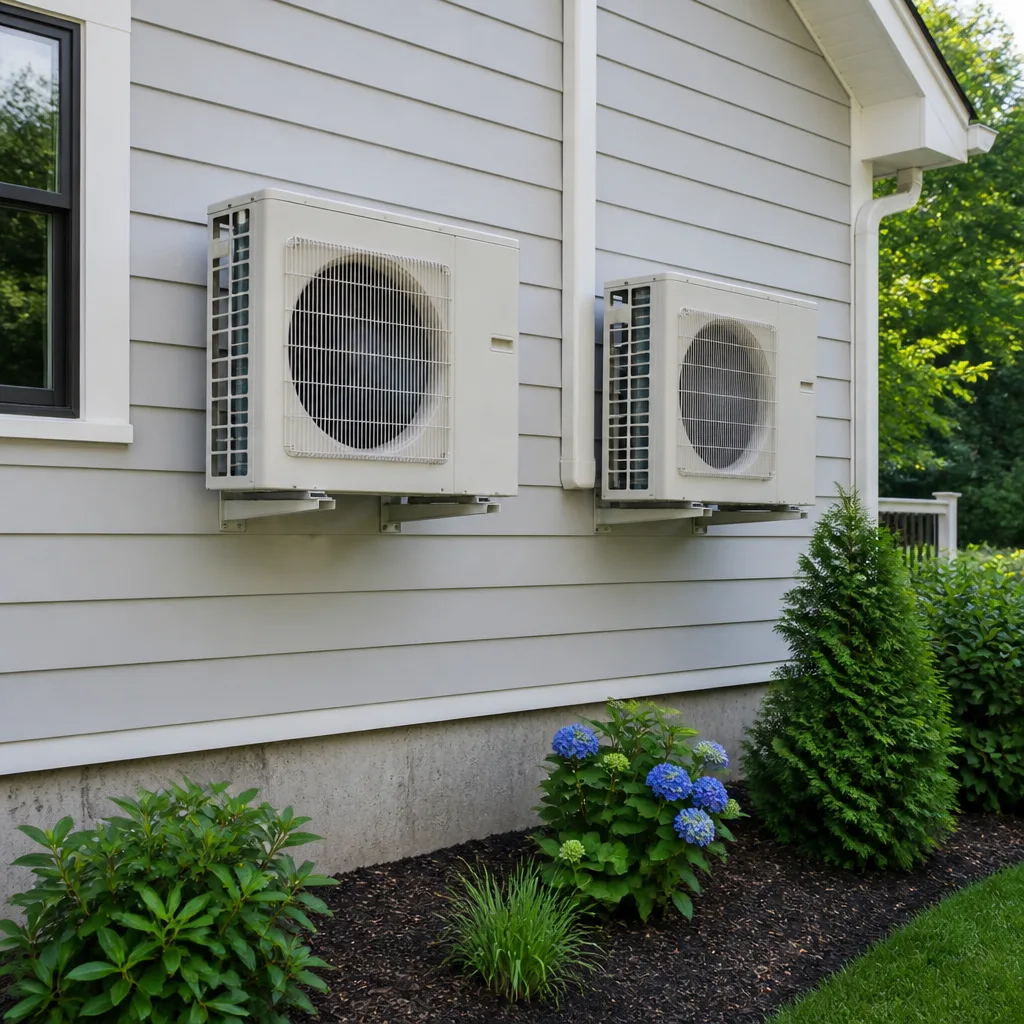 Ductless mini splits
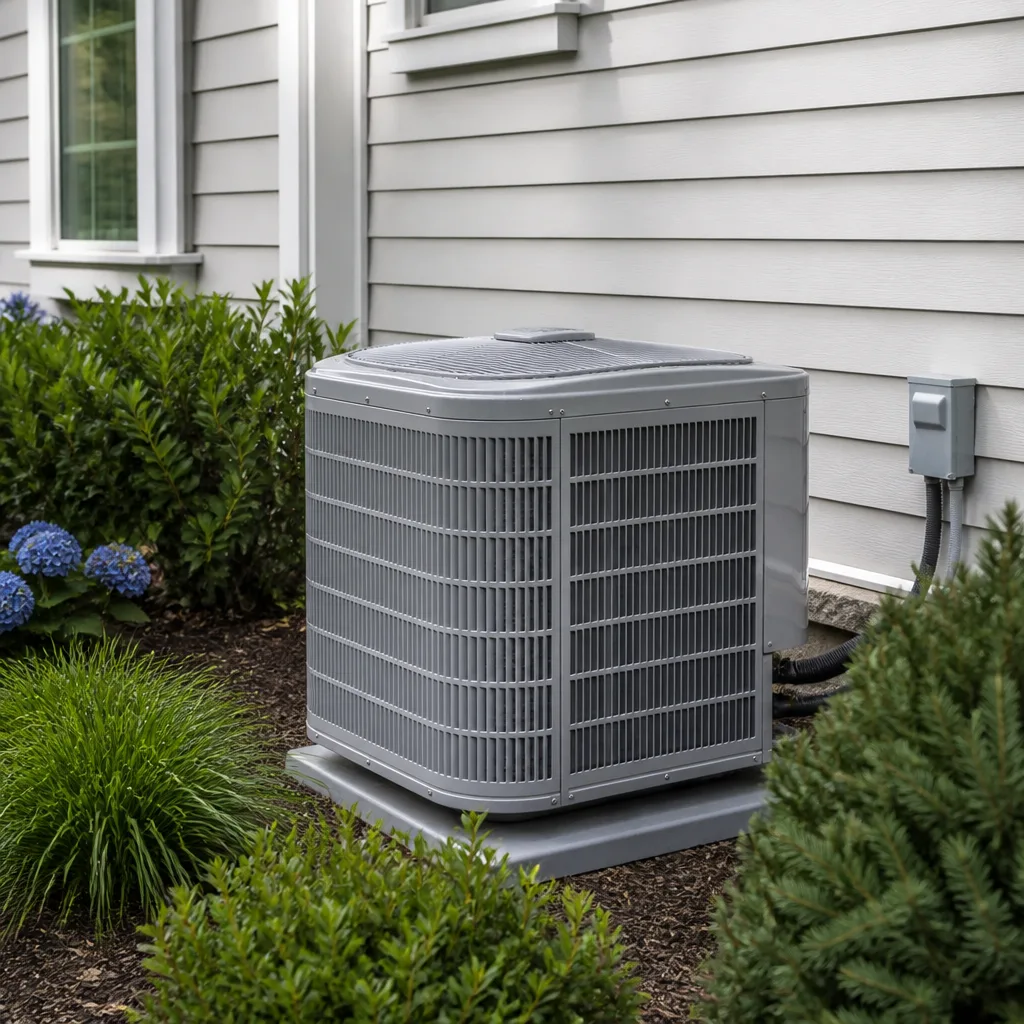 Carrier
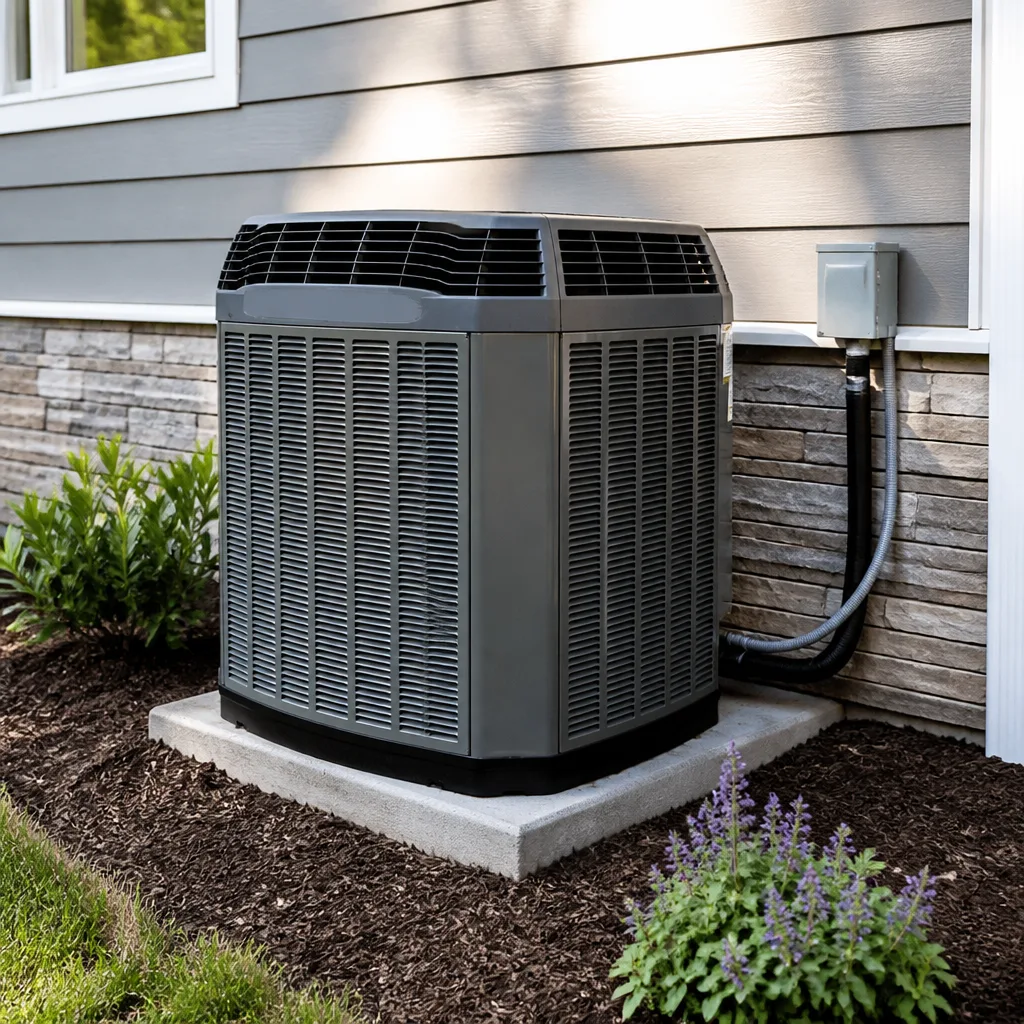 Trane
Trane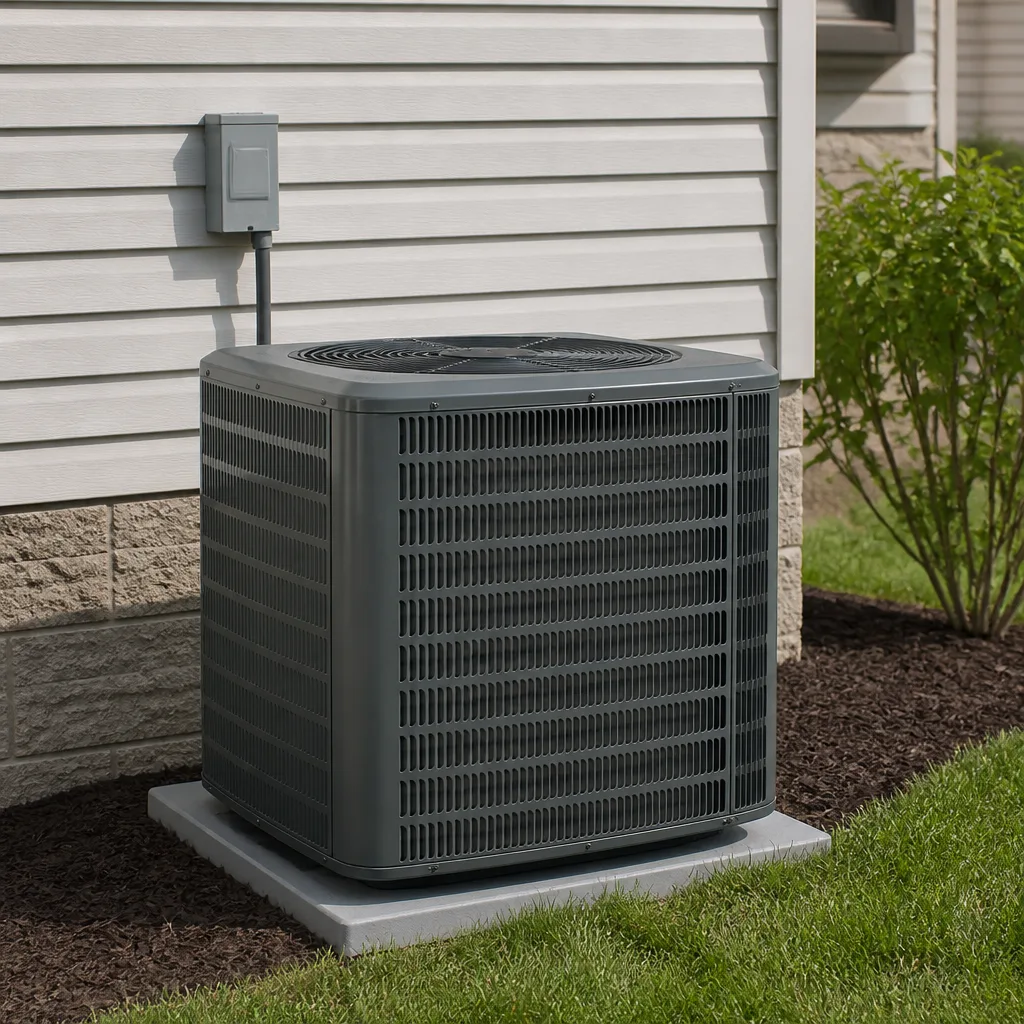 Goodman
Seasonal tune-up and full diagnostic on your Carrier, Trane, or Goodman system - readings shown to you before any repair is proposed
Diagnosis first, numbers second - you approve the repair price before a single part goes in.
Get your free estimateDIY vs Professional HVAC: The Fort Worth Homeowner’s Decision Guide
Replacing your own HVAC filter saves roughly $80 a year. Recharging refrigerant without an EPA Section 608 certification is a federal crime that can carry five-figure fines. That gap, between what’s legally and financially sensible to do yourself and what isn’t, is where most Fort Worth homeowners end up losing money. This guide draws a clear line through that gray zone so you can protect your warranty, your homeowner’s insurance, your family’s safety, and your checking account, with step-by-step guidance on hiring a Fort Worth HVAC contractor when you need one. We’re writing this from the perspective of a Fort Worth HVAC company that has repaired thousands of systems across Tarrant County, and we’ll tell you plainly which jobs reward a Saturday afternoon and which ones punish it.
Styles & brands we work with
Quick Answer
Fort Worth homeowners can safely handle five HVAC tasks themselves: filter changes, thermostat battery and basic swap-outs, condensate drain line flushing, outdoor unit debris clearing, and supply vent cleaning. Everything else, including anything touching refrigerant, electrical components, gas lines, or duct sealing, carries legal, warranty, insurance, or safety consequences in Texas that make professional work cheaper once downstream costs are counted. Call (682) 610-2888 for a written price before any work starts.
Table of Contents
- The Legal Line: What Texas Law Says You Can’t DIY
- Refrigerant, Section 608, and Why the EPA Cares About Your Backyard
- How One DIY Mistake Voids a Manufacturer Warranty
- The Five DIY Tasks That Actually Save Fort Worth Homeowners Money
- Cost Comparison: Thermostat, Capacitor, and Duct Sealing
- Fort Worth’s Climate and What It Means for HVAC Maintenance
- Homeowner’s Insurance, DIY Repairs, and the Fine Print Nobody Reads
- Common Mistakes to Avoid
- When to Call a Professional
- Frequently Asked Questions
- The Bottom Line
The Legal Line: What Texas Law Says You Can’t DIY
Texas doesn’t require homeowners to hire licensed contractors for every home improvement, but the Texas Department of Licensing and Regulation (TDLR) draws a hard line at HVAC work. Under the Texas Air Conditioning and Refrigeration Contractor License Law, performing or offering to perform air conditioning and refrigeration contracting without a license is a Class A misdemeanor for the first violation. That means installing a new condenser, recharging refrigerant, repairing a compressor, or replacing an evaporator coil without a TDLR-issued license is illegal in Fort Worth, even if it’s your own house.
Here’s what that means in practical terms for a homeowner in the Arlington Heights or Wedgwood neighborhoods:
- Refrigerant handling: Requires EPA Section 608 certification at the federal level and a TDLR contractor license at the state level.
- Electrical connections to the condenser or air handler: Any work involving line voltage wiring or circuit breaker connections falls under electrical codes that require a permit in Fort Worth and a licensed technician to pull it.
- Gas furnace repairs: Anything touching the gas valve, heat exchanger, burner assembly, or venting requires a licensed professional. Fort Worth enforces the International Fuel Gas Code, and improper venting can leak carbon monoxide into a home.
- Duct modification or sealing: Installing or significantly modifying ductwork requires a permit and licensed contractor in most Fort Worth jurisdictions.
- New system installation: A full AC installation in Fort Worth requires permits, code compliance, and proper load calculations.
The point isn’t that the state is watching your garage. The point is that these laws exist because the consequences of getting it wrong include refrigerant leaks into the atmosphere, electrical fires, gas explosions, and carbon monoxide poisoning. When a homeowner does unlicensed work and something goes wrong, the legal, financial, and insurance exposure belongs entirely to the homeowner.
Refrigerant, Section 608, and Why the EPA Cares About Your Backyard
Under Section 608 of the Clean Air Act, it is illegal for any person to knowingly release refrigerant into the atmosphere. The EPA enforces this with penalties up to $44,539 per day, per violation. That’s not a typo. And it applies to homeowners exactly as it applies to contractors. If you open a refrigerant line on your Trane or Carrier system without recovering the refrigerant first, you’ve committed a federal violation.
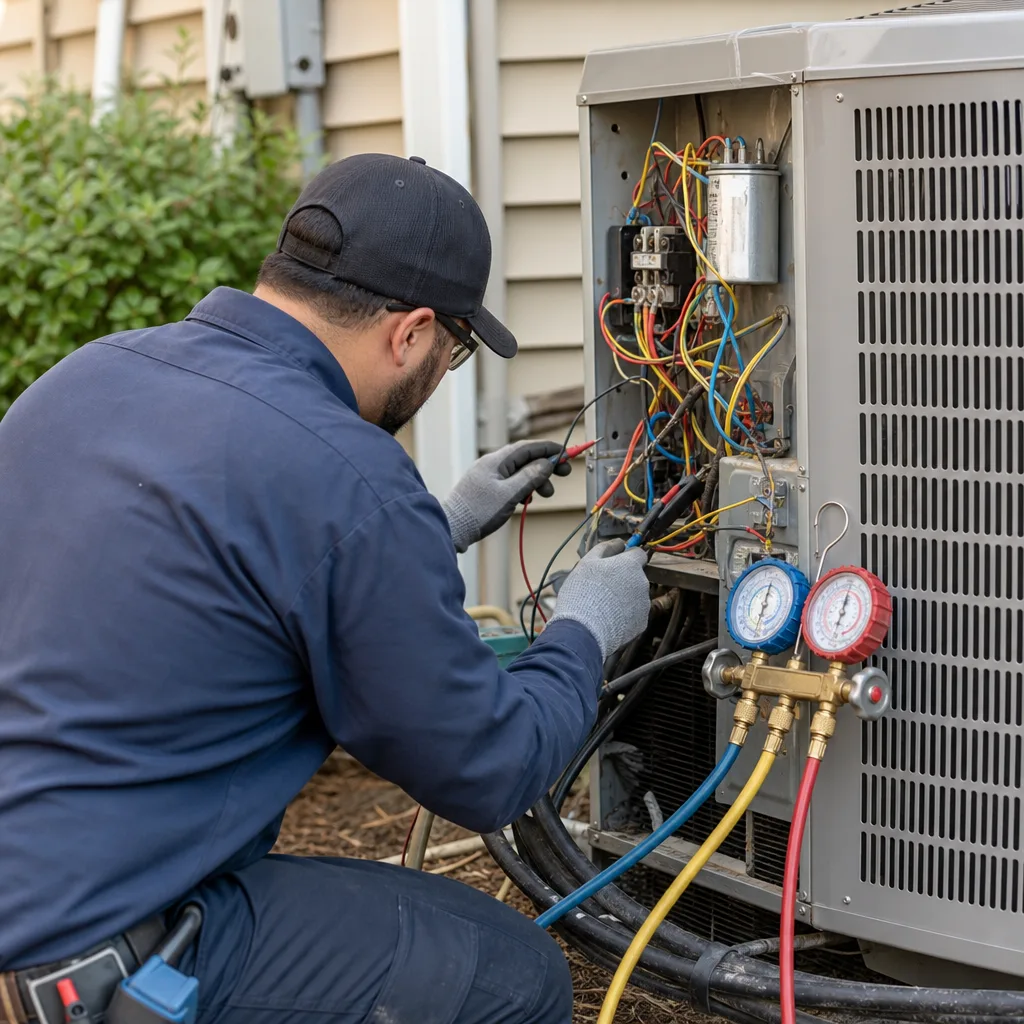
What does “EPA Section 608 certified” mean for the technician who works on your system? It means that person has passed an EPA-approved examination covering refrigerant recovery, recycling, and safe handling practices. Meadowsweet Heating and Air Fort Worth technicians carry this certification. When refrigerant is recovered from your system, it’s captured, not vented. When new refrigerant is added, it’s weighed to the manufacturer’s specification, not eyeballed.
Why does this matter in Fort Worth specifically? Because Fort Worth summers routinely hit 100 degrees or more. When an undercharged or overcharged system struggles through a Tarrant County heat wave, the first symptom is a high electric bill. The second is a compressor failure, which is a multi-thousand-dollar repair. Proper refrigerant handling isn’t a bureaucratic formality. It’s the difference between a system that holds 72 degrees in August and one that dies on the hottest Saturday in July.
There is no legal DIY path for refrigerant work in Texas. None. If your system is low on refrigerant, you have a leak, and a leak requires leak detection, repair, and a proper recharge by a certified technician. Anything else is a federal crime with a paper trail.
How One DIY Mistake Voids a Manufacturer Warranty
Most HVAC manufacturers, including Trane, Carrier, Bryant, and American Standard, write their warranty documents to exclude damage caused by “improper installation, application, service, or maintenance.” That language is intentionally broad, and it gives manufacturers a straightforward reason to deny a claim when a homeowner’s repair attempt causes the failure.
Here’s the specific scenario we see in Fort Worth all the time: a homeowner notices the system isn’t cooling. A neighbor says it’s probably the capacitor. The homeowner buys a $15 capacitor online, installs it with reversed wiring, and the compressor or fan motor dies. The homeowner then calls the manufacturer for a warranty claim on the compressor. The manufacturer asks for the service history. There is no licensed contractor record. The claim is denied.
The compressor that would have been covered under a 10-year parts warranty is now a $1,800 out-of-pocket replacement. Plus labor. The $15 DIY capacitor repair became a $2,500 bill. That math doesn’t work in any neighborhood from Fairmount to Saginaw.
When a licensed contractor such as Meadowsweet Heating and Air Fort Worth performs a repair, the work is documented, the parts are manufacturer-approved, and the warranty chain stays intact. That documentation is worth real money, because a compressor under warranty is a free part instead of a financed one.
The Five DIY Tasks That Actually Save Fort Worth Homeowners Money
Now the useful part. These five tasks are legal, safe, and genuinely worth doing yourself. Each one saves a meaningful amount of money, and none of them will void a warranty or draw a fine if done correctly.
- Replacing the air filter. Cost: $4 to $25 per filter, done every 30 to 90 days. A clogged filter forces the blower motor to work harder and can cause a frozen evaporator coil. Our AC repair in Fort Worth calls in spring are disproportionately systems with filters that haven’t been changed since the previous October. Change the filter monthly during peak cooling season.
- Replacing thermostat batteries. Cost: $2 to $5. Low thermostat batteries cause blank screens, unresponsive controls, and systems that won’t turn on. If your system suddenly goes dead, check the batteries before calling anyone. This is the single most common false alarm we run across in Benbrook and North Richland Hills.
- Flushing the condensate drain line. Cost: Under $10 for a drain line brush or a few cups of white vinegar. The drain line carries condensation from the indoor coil to the outside or a floor drain. In Fort Worth’s humidity, algae grows in the line and clogs it. Pour one cup of white vinegar down the line every month during cooling season. If it’s already clogged, a wet-dry vacuum on the outside drain line outlet often clears it.
- Clearing debris around the outdoor condenser unit. Cost: Free, plus 15 minutes. Fort Worth wind storms and cottonwood season fill condenser coils with leaves, grass clippings, pollen, and dust. Keep a two-foot clearance around the unit. Rinse the coil fins gently with a garden hose on a low setting twice a year. Never use a pressure washer.
- Cleaning supply vents and return grilles. Cost: Free to $15. Dust and pet hair accumulate on vent covers and return grilles. Remove the covers, wash with warm soapy water, dry thoroughly, and reinstall. This improves airflow and indoor air quality for families with kids and pets.
None of these tasks requires opening the sealed refrigeration system, touching electrical components, or working with gas. That’s the line. Stay on the safe side of it and the savings are real.
Cost Comparison: Thermostat, Capacitor, and Duct Sealing
Three jobs sit right on the DIY/professional boundary line. Here’s what each one actually costs in the Fort Worth market, with the parts cost, the professional labor cost, and the realistic risk of getting it wrong-see our HVAC Cost Breakdown: The Fort Worth Homeowner’s Reference for 2026 for detailed pricing.
Thermostat Replacement
- DIY parts cost: $25 to $150 for a non-smart thermostat; $100 to $300 for a Wi-Fi smart thermostat.
- Professional installed cost in Fort Worth: $180 to $450 depending on the thermostat and system complexity.
- Realistic risk of error: Miswiring can blow the low-voltage fuse on the control board or damage the transformer. Some modern systems, especially those with variable-speed blowers, require thermostat compatibility checks. The risk here is moderate but manageable if you photograph the old wiring before disconnecting anything and match wire labels exactly.
Capacitor Replacement
- DIY parts cost: $10 to $35 for the capacitor itself.
- Professional installed cost in Fort Worth: $150 to $300 including the diagnostic service call and the part.
- Realistic risk of error: High. Capacitors store electrical charge even after the system is off and can deliver a fatal shock if discharged incorrectly. Installing the wrong microfarad rating can destroy the compressor or fan motor. Reversed wiring can cause immediate component failure. This is the repair that most often voids warranties when done by homeowners.
Duct Sealing
- DIY materials cost: $40 to $150 for mastic sealant, foil tape, and basic tools.
- Professional cost in Fort Worth: $500 to $2,500 depending on duct accessibility, leakage severity, and whether the job requires a blower-door test.
- Realistic risk of error: A homeowner can reach visible ducts in an attic and seal easy-access seams. But most leakage in Fort Worth homes occurs at the plenum connections and in the hard-to-reach sections. Improper sealing with duct tape (which fails within a year in a hot Texas attic) or blocking airflow to rooms creates pressure imbalances, hot spots, and higher bills. Professional duct sealing uses mastic and sometimes aerosol sealant to address the entire duct system, not just the visible parts.
The pattern here is consistent: the more the job touches electrical, sealed, or hard-to-reach components, the worse the DIY economics become.
Fort Worth’s Climate and What It Means for HVAC Maintenance
Fort Worth’s climate punishes HVAC systems harder than almost any other metro in the country. We average over 90 days per year above 90 degrees. Summer humidity often sits above 60 percent. Spring brings cottonwood season and severe wind storms that load condenser coils with debris. Winter temperatures dip below freezing enough times each year to stress gas furnaces and heat pumps.
That means three things for the Fort Worth homeowner:
- Cooling season runs March through October. Systems in Tarrant County log more runtime hours annually than systems in most northern states, which accelerates wear on capacitors, contactors, fan motors, and compressors.
- Humidity management matters as much as temperature. An oversized or poorly maintained system can cool the air without removing moisture, leaving a house at 72 degrees and 75 percent humidity. That feels clammy, grows mold, and destroys indoor air quality.
- Dust and pollen are persistent enemies. The same winds that make Fort Worth’s live oaks beautiful also push fine dust through coil fins and filter slots. Seasonal filter changes aren’t enough in neighborhoods like Ridglea Hills and Mistletoe Heights; monthly checks are the minimum.
Routine maintenance on a Fort Worth system isn’t a luxury add-on. It’s the difference between a system that lasts 12 years and one that lasts 18. The homeowner’s DIY role is filter discipline, drain line flushing, and keeping the outdoor unit clear. The professional’s role is refrigerant-level verification, electrical component testing, coil cleaning, and combustion safety checks on the furnace side.
Homeowner’s Insurance, DIY Repairs, and the Fine Print Nobody Reads
Most Fort Worth homeowners don’t realize that a DIY repair that damages the home can trigger a homeowner’s insurance claim denial. Standard HO-3 policies in Texas exclude damage caused by “faulty, inadequate, or defective workmanship,” including work performed by the homeowner. If a homeowner installs a capacitor incorrectly and the resulting electrical fire damages the attic, the insurer can deny the entire claim.
Worse, because Texas requires licensed contractors for HVAC work, an insurer can argue that the homeowner’s unlicensed activity constitutes an undisclosed material risk. That argument has held in Texas courts.
The fix is simple: document everything. Keep receipts for filters and DIY supplies. Take photos of your maintenance work. And when the job crosses the legal line into licensed territory, call a professional. The service record from a licensed HVAC contractor is your insurance company’s assurance that the work was done correctly.
This is also where the Meadowsweet Heating and Air Fort Worth home standard matters: every visit includes a written price before any work starts, which creates a paper trail you can show your insurer if you ever need to.
Common Mistakes to Avoid
- Using duct tape on ductwork. Duct tape fails within a year in a Fort Worth attic where temperatures hit 140 degrees in July. The adhesive dries out, the tape peels, and the leak returns. Use mastic sealant or foil-backed tape rated for HVAC.
- Buying the cheapest filter and leaving it for six months. A $2 fiberglass filter does almost nothing for air quality, and any filter left in place for six months of a Fort Worth cooling season becomes an airflow restriction. Buy a pleated filter rated MERV 8 to 11 and change it every 30 to 60 days during peak season.
- Rinsing the condenser with a pressure washer. Pressure washers bend coil fins, which restricts airflow and permanently reduces system efficiency. A garden hose on gentle spray is the right tool.
- Guessing the capacitor size. The microfarad rating on the new capacitor must match or be within the specified range of the old one. A guessed replacement can cook a compressor. When in doubt, stop and call a professional.
- Closing vents in unused rooms. Closing vents increases static pressure, forces the blower to work harder, and can cause the evaporator coil to freeze. In Fort Worth’s summer, that frozen coil then thaws into a puddle on the floor or a clogged drain pan.
- Adding refrigerant from an auto parts store can. Automotive refrigerant is not the same product as residential HVAC refrigerant, and the can-and-hose kits sold at auto stores are not legal for use on a home system. Mixing them damages the compressor and vents refrigerant into the atmosphere, which is a federal violation.
When to Call a Professional
Call a licensed HVAC contractor when the system stops cooling, when you hear buzzing or grinding from the condenser, when the breaker trips repeatedly, when you smell gas from a furnace, when the system freezes up, or when you find water on the floor around the indoor unit. These are symptoms of failures that sit firmly on the professional side of the line. A licensed technician has the diagnostic tools, the TDLR license, the EPA Section 608 certification, and the documented service history that protects your warranty and your insurance.
Meadowsweet Heating and Air Fort Worth offers free estimates in Fort Worth. Call (682) 610-2888 and a live person answers, 24 hours a day, 7 days a week. We walk through the problem, provide a written price before any work starts, and back every job with the 365-Day Done Right Promise.
Frequently Asked Questions
No. Recharging refrigerant requires EPA Section 608 certification and a TDLR contractor license. Doing it yourself is a federal violation of the Clean Air Act and a state-level misdemeanor. If your system is low on refrigerant, it has a leak, and the leak needs professional diagnosis and repair.
Replacing the air filter is the most common DIY HVAC task in Fort Worth, and it’s also the most consequential. A monthly filter change during cooling season prevents frozen coils, reduces energy bills, and extends the life of the blower motor and compressor.
Most manufacturer warranties from Trane, Carrier, Bryant, and American Standard exclude damage caused by improper service or maintenance. If a DIY repair causes a component failure, the manufacturer can deny the warranty claim on that component and related parts. Professional service records keep the warranty intact.
New HVAC installations in Fort Worth require a permit, and the permit must be pulled by a licensed contractor-read our guide to HVAC permits, codes & inspections in TX to understand what’s required. Equipment changes of a like-for-like nature may not require a permit in every jurisdiction, but any new installation, gas line work, or duct modification requires professional permitting and inspection.
Typical furnace repair in Fort Worth and AC repair calls range from $150 to $450 for common issues like capacitors, contactors, and condenser fan motors. Larger repairs like compressor replacement or coil replacement run $1,500 to $3,500. Meadowsweet Heating and Air Fort Worth provides a written price before any work starts, so there are no surprises on the invoice.
Change the filter every 30 to 60 days during cooling season, flush the condensate drain line with white vinegar monthly, keep a two-foot clearance around the outdoor condenser, rinse the coil fins gently twice a year, and clean supply vents and return grilles seasonally. Schedule a professional maintenance check once a year before summer.
The Bottom Line
The sensible DIY line for Fort Worth homeowners runs through the filter slot, the drain line, and the two-foot perimeter around the condenser. Everything inside the cabinet, behind the electrical panel, or within the refrigerant lines belongs to a licensed professional. The five safe DIY tasks save a few hundred dollars a year in avoided service calls. The unsafe DIY tasks cost thousands when a denied warranty claim, an insurance exclusion, or a federal fine lands. Do the simple things consistently, call a licensed team for the rest, and your system will outlast the Fort Worth summers instead of fighting them. For more guides & resources, visit our blog.
If your HVAC system needs professional attention, call Meadowsweet Heating and Air Fort Worth at (682) 610-2888 for a free estimate. A live person answers 24 hours a day, 7 days a week. Every visit includes a written price before any work starts, shoe covers and drop cloths inside the home, and a photo of the clean-up before the crew leaves. That’s the Cedarwell Care Promise, and it’s non-negotiable.
Written by Luis Serrano, Owner at Meadowsweet Heating and Air Fort Worth, serving Fort Worth since 2004.
See the difference
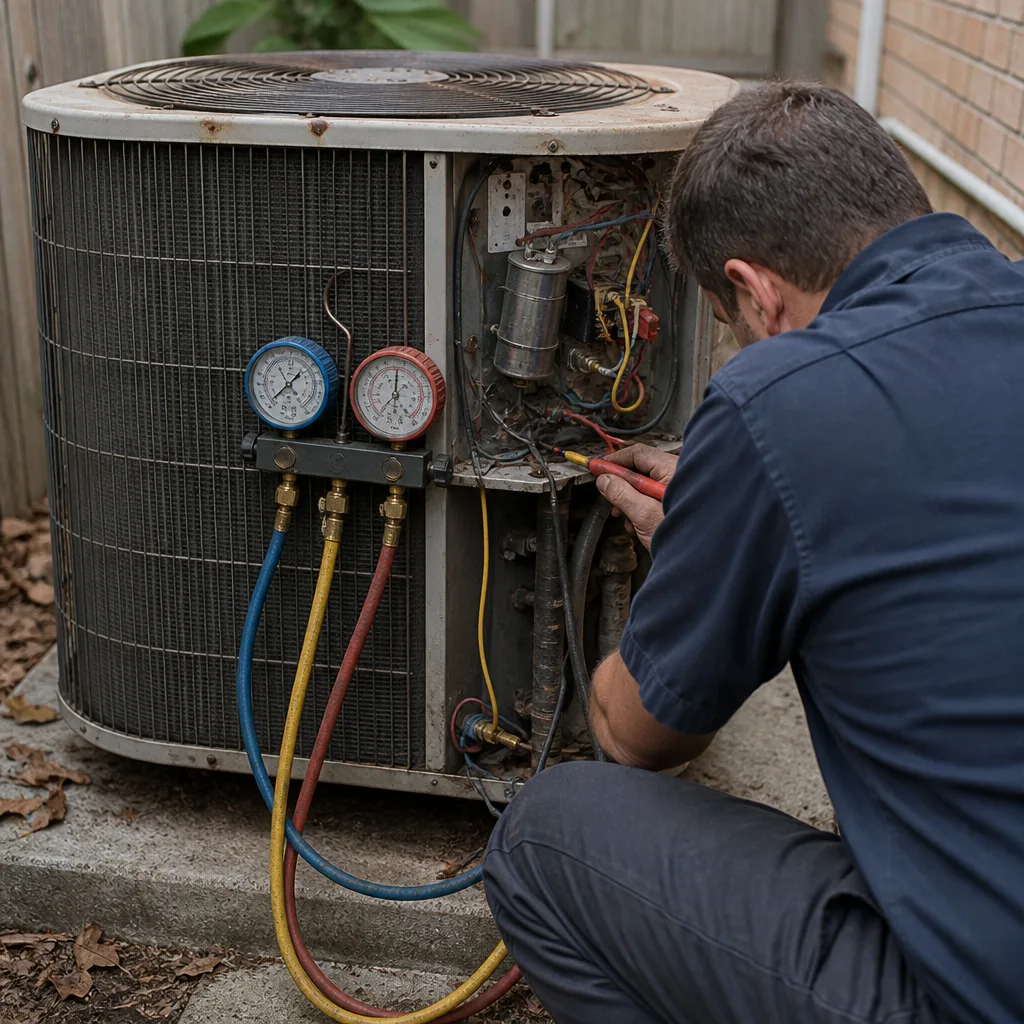 Before
 After
After Before
 After
After Before
 After
After