
Last updated October 16, 2026
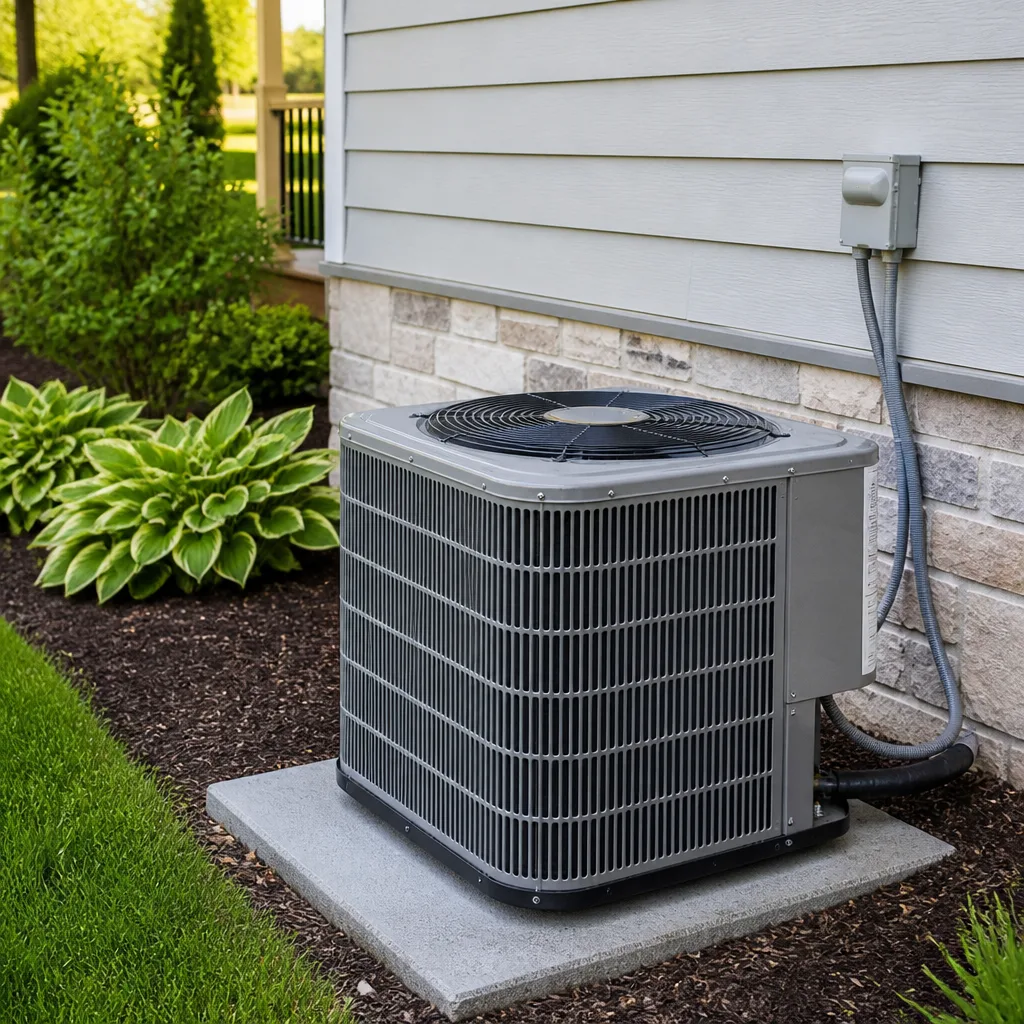 AC repair
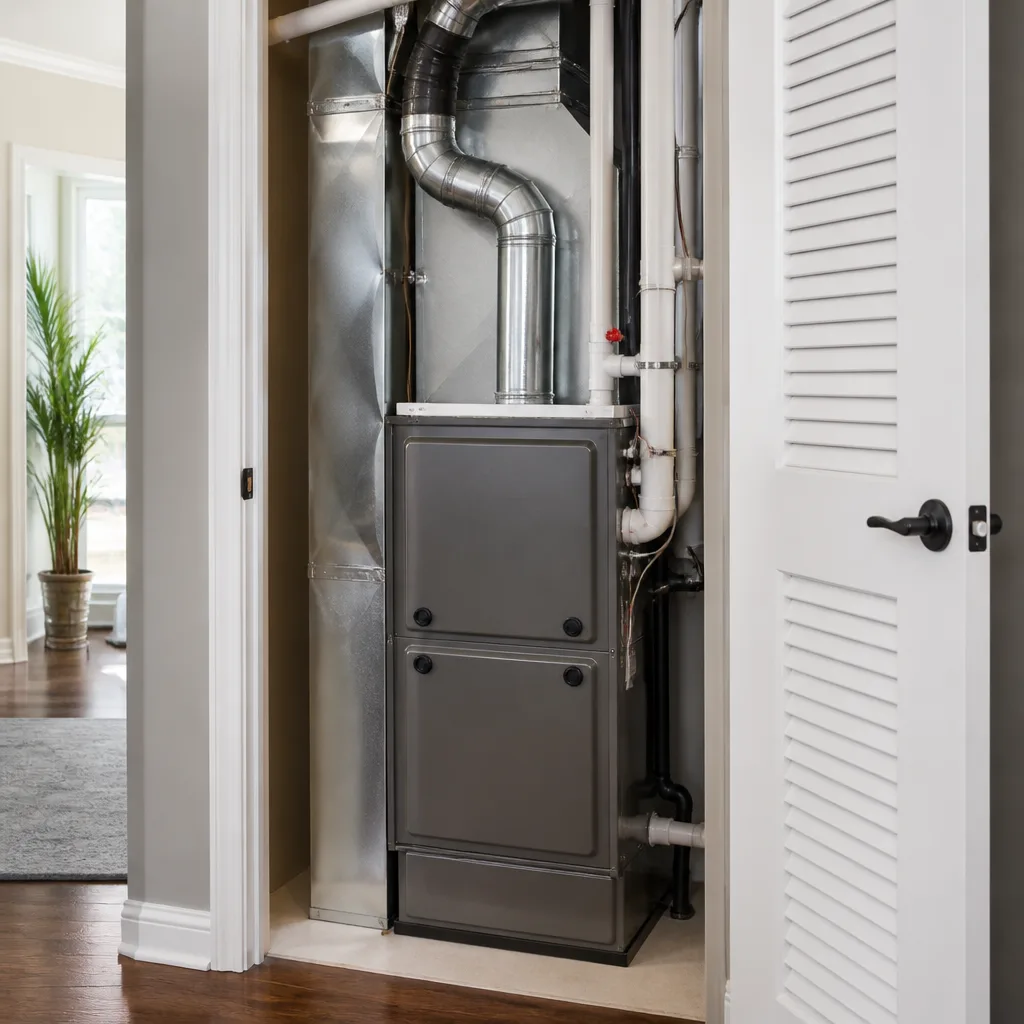 Furnace & heating
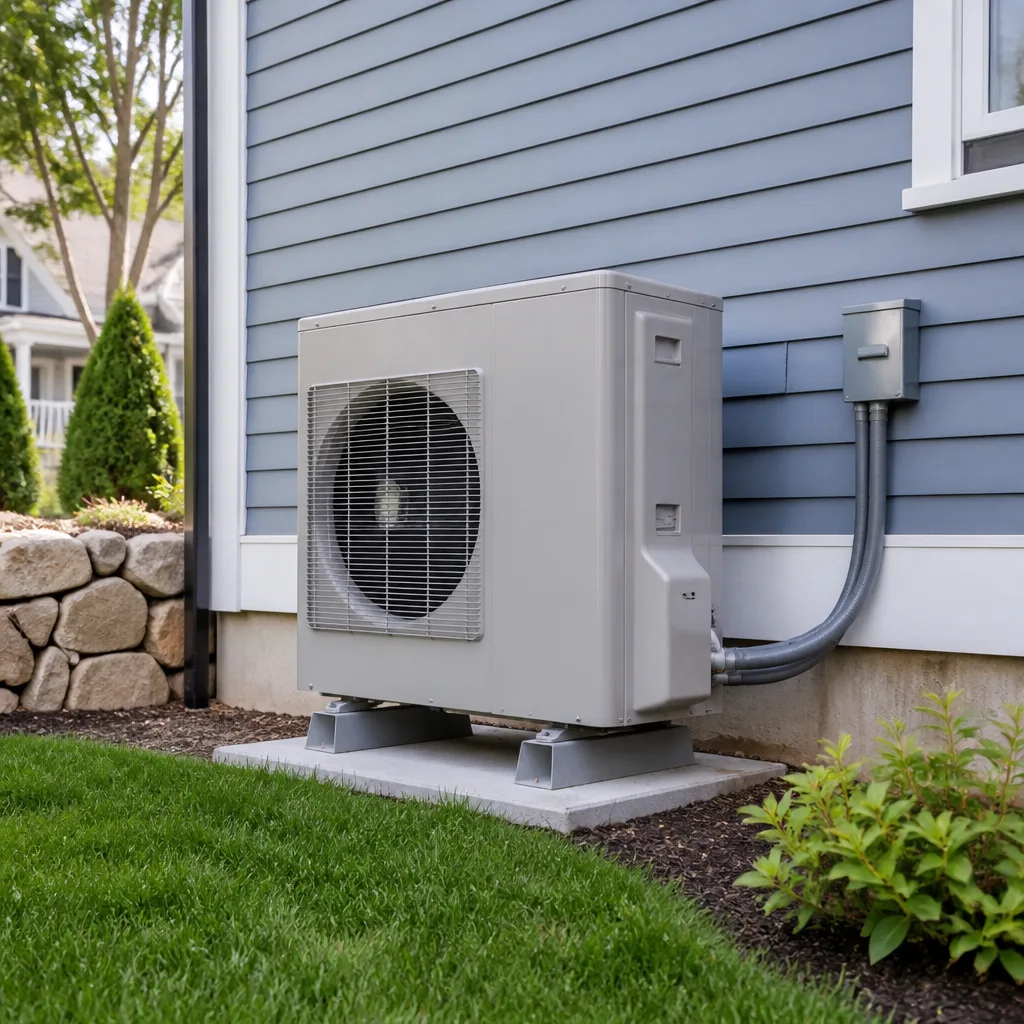 Heat pumps
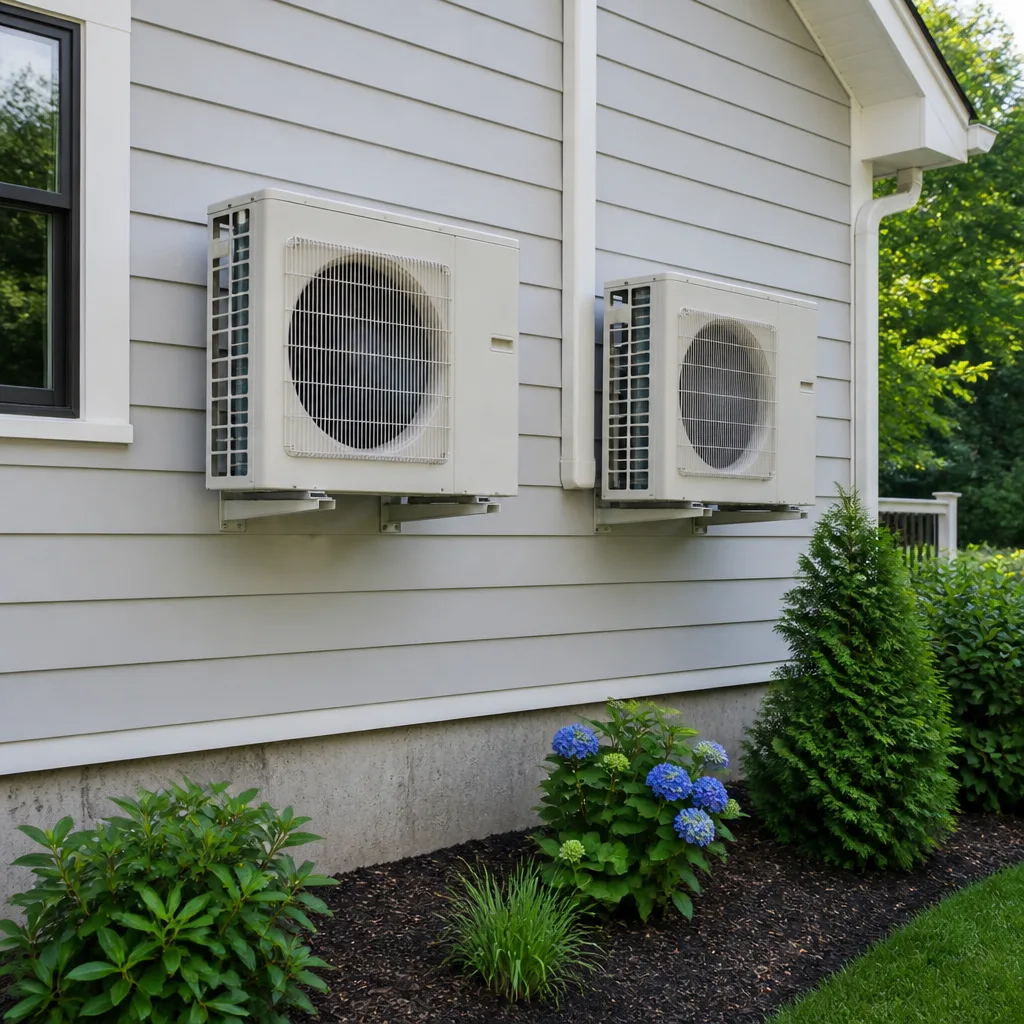 Ductless mini splits
 Carrier
 Trane
Trane Goodman
Seasonal tune-up and full diagnostic on your Carrier, Trane, or Goodman system - readings shown to you before any repair is proposed
Diagnosis first, numbers second - you approve the repair price before a single part goes in.
Get your free estimateAC Repair Maintenance Checklist for Fort Worth Homeowners
The single maintenance task Fort Worth homeowners skip most often isn’t the filter. It’s clearing the condensate drain line, and that one overlooked task causes more emergency AC calls in Tarrant County between June and August than any other preventable issue. When your drain line clogs with the mineral scale our hard water leaves behind, water backs up into the air handler, trips the float switch, and your system shuts down on the hottest afternoon of the year. This guide walks through the maintenance that actually matters for Fort Worth homes, ranked by what a local technician sees fail first from April through September. For a deeper dive, see The Complete Guide to HVAC in Fort Worth.
Quick Answer
A complete Fort Worth AC maintenance routine includes monthly air filter checks, clearing the condensate drain line with a vinegar flush every 60 to 90 days, inspecting the outdoor condenser unit for debris and frost patterns each spring, verifying thermostat calibration, and scheduling one professional tune-up before the June heat arrives. Homeowners who follow this checklist prevent roughly 70 percent of the emergency calls Meadowsweet Heating and Air Fort Worth responds to between Memorial Day and Labor Day.
Styles & brands we work with
Table of Contents
- The Fort Worth Maintenance Priority List: What Breaks First
- Month-by-Month Maintenance Calendar for Fort Worth Weather
- How to Flush Your Condensate Drain Line: The Fort Worth Hard Water Method
- Reading Refrigerant Line Frost: Low Charge vs. Airflow Restriction
- Which DIY Tasks Void Manufacturer Warranties (Read the Fine Print)
- What a Written Diagnostic Price Should Include in Fort Worth
- The 15-Point Professional Tune-Up: What Should Be On the Report
- Efficiency Habits That Cut Fort Worth Cooling Bills
The Fort Worth Maintenance Priority List: What Breaks First
Manufacturers write maintenance checklists for the average American climate. Fort Worth is not average. Our season runs longer, our air runs dustier, and our water leaves mineral deposits that other regions never deal with. Here is the priority list, ranked by what local technicians actually see failing from April through September.
1. Condensate drain line clogs. Fort Worth’s water supply is classified as hard, which means dissolved calcium and magnesium carbonates precipitate out as scale inside drain lines when the water evaporates. Over a single summer, that scale combines with dust, skin cells, and the occasional insect to form a paste that narrows the line and eventually blocks it. The result is water backing up into the indoor air handler. Modern AC systems have a float switch that shuts the unit down before it floods a hallway, but older Fort Worth homes without a float switch can end up with water damage in a closet or utility room. This is the first thing to inspect and the cheapest fix if caught early.
2. Airflow restrictions from dirty filters. Fort Worth’s late winter winds, spring pollen season, and summer construction dust mean filters clog faster here. A pleated MERV 8 filter in a north Fort Worth home might last 90 days, while the same filter in a house near a dirt road in the Alliance area might need changing at 30 days. A clogged filter forces the blower motor to work harder, reduces airflow across the evaporator coil, and causes the coil to freeze. When a homeowner tells us the system stopped cooling, a solid percentage of those calls are solved by a filter change and a defrost cycle.
3. Outdoor condenser coil fouling. Cottonwood trees along the Trinity River, grass clippings from weekly summer mows, and dust kicked up by dry August ground all collect on the outdoor coil. A fouled coil means the refrigerant cannot shed heat, so the compressor runs hotter and longer. The electrical wear on a compressor that runs continuously through August is measurable in shortening its lifespan by years, not months. A garden hose rinse every 4 to 6 weeks during mowing season costs less than a dollar but protects the single most expensive component in the system.
4. Capacitor failure under heat load. A capacitor gives the compressor and fan motor the electrical jolt they need to start. Fort Worth attics and outdoor units bake in direct sun, and capacitors age faster in heat. When one fails, the system typically makes a humming sound for a few seconds, then trips a breaker, or the outdoor fan simply stops spinning. This is a straightforward repair for a trained technician from our AC Repair services and usually takes under an hour, but the part needs to be matched correctly to the unit. It is not a task to guess at, since the wrong microfarad rating can damage the compressor.
Month-by-Month Maintenance Calendar for Fort Worth Weather
Generic spring and fall maintenance advice does not serve Fort Worth homes because our calendar does not line up with the national pattern. Fort Worth’s first 90-degree day can arrive in March and we have recorded 100-degree days as late as the first week of October. The following calendar matches tasks to what is actually happening outside your window in Tarrant County.
February: The system is still heating or mostly idle, but this is the month to prepare. Check the outdoor unit for any leaves, limbs, or debris that accumulated over winter. Test the thermostat by switching from heat to cool mode and back. If the system does not respond or makes an unusual sound when cooling is called for, you want to know in February, not June.
March: Change the filter, and set a recurring reminder. Cedar pollen peaks in March across Fort Worth, and tree pollen clogs filters quickly. Wash down the outdoor condenser coil with a garden hose on a warm afternoon. Check that no shrubs or fence panels have grown to within two feet of the unit; it needs full airflow in all directions.
April: Perform the first condensate drain flush of the season using the Fort Worth hard water method described below. Also inspect the insulation on the refrigerant line set where it enters the house. Squirrels in older Fort Worth neighborhoods like Arlington Heights and Mistletoe Heights sometimes strip the foam insulation for nesting, and exposed piping costs you efficiency all summer.
May: This is tune-up month. A professional visit should happen before the first sustained 90-degree stretch. During this visit, the technician should measure the refrigerant charge, test the capacitor, inspect electrical connections, clean the evaporator coil, flush the drain line, and calibrate the thermostat. If you schedule a tune-up with AC Repair in Fort Worth, the written report you receive should list every measurement taken, not just a checkbox.
June through August: Check the filter monthly. Look at the outdoor unit every few weeks for grass clippings, cottonwood fluff, or dust buildup. Listen for any change in the sound of the system; a new rattle, hiss, or hum is an early warning. Feel the air coming from registers. If the temperature delta between the return and supply grilles drops below 15 degrees, something is off and needs a diagnostic visit.
September and October: Clean the outdoor coil before shutting the system down for fall. Flush the condensate line one final time. Check the drain pan under the indoor unit for standing water or a rust ring. Make note of any repairs needed over the winter so they can be addressed before next season.
How to Flush Your Condensate Drain Line: The Fort Worth Hard Water Method
In most parts of the country, a cup of white vinegar poured down the drain line every few months is enough. Fort Worth water, which typically measures between 8 and 10 grains per gallon of hardness, needs a stronger routine. The mineral scale in our lines responds best to a more deliberate flush. This is a safe task that does not void any warranty and takes about 20 minutes.
- Locate the drain line access point. Find the PVC pipe coming off the indoor air handler. It usually exits the unit and runs to a floor drain, sink, or outdoors. Look for a T-shaped fitting with an open top on the line; that is the access point.
- Mix the flush solution. Use one part distilled white vinegar to one part warm water. A 50/50 mix, about two cups total, dissolves Fort Worth mineral scale faster than straight vinegar because the water keeps the acid in contact with the pipe walls longer.
- Pour slowly. Pour the solution into the T-fitting opening. Do not dump it. A slow, steady pour over 30 seconds lets the solution work its way down the pipe without backing up.
- Wait 20 minutes. Allow the solution to sit. The vinegar is dissolving calcium carbonate deposits that have built up since the last flush.
- Flush with clear water. Pour one quart of warm water down the line to push the loosened scale out of the pipe. If the water backs up rather than draining, stop, and call a technician; the blockage is already severe and forcing it can break a PVC joint.
- Check the drain pan. Look at the pan under the air handler. It should be dry. If you see standing water or a white mineral ring, the line was already partially clogged before the flush. Repeat this flush monthly until the pan stays dry, and consider a professional drain line cleaning.
For homes with a history of repeated clogs or long horizontal drain runs, some Fort Worth technicians recommend adding a half cup of white vinegar monthly during peak cooling season as a preventive measure rather than waiting the full 60 to 90 days. The goal is to never let scale reach the point of blockage.
Reading Refrigerant Line Frost: Low Charge vs. Airflow Restriction
Two different problems create frost on your AC system, and they carry very different repair costs. Learning to tell them apart before you call a technician helps you understand the diagnostic and the written estimate you will receive.
Frost on the large, insulated suction line at the outdoor unit: This is the line that should be cold but not frozen. If you see frost or ice forming on this line and the system has been running, the most likely cause is dirty filters, closed vents, or a dirty evaporator coil restricting airflow. When airflow drops, the refrigerant does not absorb enough heat inside, so the coil temperature drops below freezing and frost forms. The fix is often simple: change the filter, open closed registers, and let the system defrost. In our experience working throughout Fort Worth, four out of five frozen coils are airflow problems, not refrigerant problems.
Frost on the small, uninsulated liquid line, or frost at one specific point on the coil: This is a different picture. Frost at a single point often signals a restriction in the metering device or a refrigerant charge that is too low. A low charge means there is a leak somewhere in the sealed system, and adding refrigerant without finding the leak is throwing money away. This repair involves electronic leak detection, possibly dye testing, and a repair or replacement of the leaking component before recharging. The price tag is higher because the work is more involved and the refrigerant itself is regulated.
The practical lesson: if the entire indoor coil frosts over uniformly and the filter is dirty, address airflow first before spending money on a refrigerant diagnosis. If frost appears in one spot or on the small line, that points to the sealed system and needs a professional’s gauges and leak detector. The diagnostic visit should produce a written price before any repair work starts, which is a standard part of how Meadowsweet Heating and Air Fort Worth home operates.
Which DIY Tasks Void Manufacturer Warranties (Read the Fine Print)
Manufacturer warranties on Carrier, Trane, Bryant, and American Standard equipment are conditional. The language that matters is buried in an appendix most homeowners never read. Here is what it actually says.
Recharging refrigerant voids the warranty if you are not EPA-certified. This is non-negotiable across every brand Meadowsweet services. The EPA requires a Section 608 certification to handle refrigerant, and every manufacturer warranty states that refrigerant work must be performed by a licensed technician. Opening the sealed system yourself is the fastest way to void a compressor warranty.
Electrical modifications void coverage. Replacing a capacitor, contactor, or control board yourself is not automatically a warranty violation if the work is done correctly with factory-spec parts, but any damage caused by incorrect parts or wiring is excluded. A wrong capacitor can burn up a compressor, and the manufacturer will deny that claim when they see the installed part is not the specified rating.
Failure to keep maintenance records voids the conditional warranty. Most premium equipment, including high-efficiency Trane and Carrier models, has a warranty clause that requires proof of annual professional maintenance. If you skip annual tune-ups and the compressor fails, the manufacturer can deny the claim on the grounds of neglect. Keep every invoice from every service visit. At Meadowsweet Heating and Air Fort Worth, every maintenance visit includes a written report that serves as your warranty documentation.
Doing nothing is the biggest risk. The maintenance tasks homeowners can safely perform are limited to filter changes, cleaning the outdoor coil with water, flushing the drain line with vinegar, and checking the thermostat. For everything else, see DIY vs Professional HVAC: The Fort Worth Homeowner’s Decision Guide. Those tasks protect the warranty by preventing neglect. The ones that void it are the ones that open sealed systems or modify electrical components.
What a Written Diagnostic Price Should Include in Fort Worth
When you call for an AC diagnostic in Fort Worth, you should receive a written price before any repair work begins. Not an estimate scribbled on a notepad. A written quote you can review, ask questions about, and approve. Here is what a legitimate written price should list, and the line items that signal a contractor is padding.
Every legitimate written estimate includes:
- The diagnostic finding in plain language. What is wrong, where it is located, and what happens if it goes unfixed.
- The repair recommendation with a specific part name and a specific price for that part.
- The labor charge for the specific repair, quoted as a fixed number, not an hourly estimate with an open end.
- Any refrigerant cost if the sealed system is involved, including the type of refrigerant and the amount being quoted.
- The total, including tax, and a note about whether the diagnostic fee is waived with the repair.
- The warranty terms for the repair work performed.
Red flags that signal estimate padding:
- A “system efficiency adjustment” line item. There is no such thing; this is a made-up charge.
- “Coil sanitizing” add-ons quoted during a repair call without any evidence of mold or biological growth. If the coil is dirty, cleaning it is part of the repair, not an extra.
- Replacement of a second component “as a precaution” without a clear explanation of why the first fix is insufficient.
- A diagnostic fee that is not disclosed when you schedule the appointment. Reputable companies state this clearly up front.
The AC Installation in Fort Worth process requires the same standard of written pricing, but for a full system, the quote should include the load calculation, equipment model numbers, line-itemed equipment and labor, permit fees, and the rebate paperwork. A contractor who refuses to put a price in writing before starting work is asking you to sign a blank check.
The 15-Point Professional Tune-Up: What Should Be On the Report
A professional maintenance visit in Fort Worth is not a filter change with a sticker on the unit. When you schedule a tune-up, you should receive a written report that documents actual measurements. If the report is a checklist with checked boxes and no numbers, you did not receive a tune-up; you received a walkthrough. Here is what a complete tune-up includes.
- Filter inspection and replacement documentation. The report notes the filter size, MERV rating, and condition found.
- Thermostat calibration check. The displayed temperature is compared to an independent thermometer. A thermostat that reads two degrees off is wasting energy every day.
- Electrical connection torque check. Loose connections create heat, heat creates resistance, and resistance burns out compressors.
- Capacitor test under load. The capacitor is tested for microfarad rating with a meter, not visually.
- Contactor inspection. Pitted or burned contacts are noted with a recommendation.
- Condensate drain line flush. The line is flushed, and the float switch is tested to verify it shuts the system down.
- Drain pan inspection. Rust, standing water, or biological growth is documented.
- Evaporator coil inspection. If accessible, coil condition is noted, including any dust accumulation that reduces airflow.
- Condenser coil cleaning. The outdoor coil is rinsed or chemically cleaned if heavily fouled.
- Refrigerant pressure check. Pressures and temperatures are measured and recorded. This is the only way to know if the charge is correct.
- Temperature split measurement. The difference between supply and return air should be 15 to 20 degrees on a properly charged system.
- Blower motor amp draw test. The blower is checked for proper amperage against its rating plate.
- Safety control verification. High-pressure and low-pressure switches are tested to confirm they function.
- Duct inspection where visible. Disconnected or crushed ducts in the attic are noted.
- Written summary with recommendations. The report ends with what was found, what was fixed, and what to watch for next season.
This is the standard Meadowsweet follows for annual maintenance in Fort Worth homes. The report goes to the homeowner, and it doubles as warranty documentation for the equipment manufacturer.
Efficiency Habits That Cut Fort Worth Cooling Bills
Maintenance keeps the system running. Efficiency habits keep the electric bill from dominating the household budget between May and October. Fort Worth electricity rates, especially during summer peak hours, make these habits worth real money.
Set the thermostat higher when the house is empty. A programmable thermostat set 7 to 10 degrees higher during work and school hours cuts cooling costs by up to 10 percent. The system does not need to hold 72 degrees in an empty house.
Close blinds on west-facing windows. Fort Worth afternoon sun through west windows adds measurable heat load. Closing blinds between 3 p.m. and 7 p.m. from June through August is one of the simplest efficiency moves available.
Do not close vents in unused rooms. This is counterintuitive, but closing vents increases duct pressure and forces the blower to work harder. The system was designed to move air across the whole coil. Closed vents cause the same airflow restriction as a dirty filter.
Run ceiling fans in occupied rooms. Fans do not cool rooms; they cool people by moving air across skin. A fan lets you set the thermostat 3 to 4 degrees higher with no comfort loss. Turn fans off when leaving the room.
Shade the outdoor unit. A condenser unit in direct west sun works harder than one in shade. A shade screen or trellis that leaves at least two feet of clearance on all sides can improve efficiency by a small but real percentage. Never enclose the unit; it needs free airflow.
For homes ready to address efficiency at the equipment level, an AC Installation in Fort Worth conversation starts with a load calculation, not a brand pitch. The right-sized system for a 2,400 square foot home in Wedgwood may not be the right size for the same square footage in Fairmount, because tree cover, window orientation, and insulation vary block by block.
Common Mistakes to Avoid
- Flushing the drain line with bleach. Bleach eats PVC cement over time and can crack a glued joint inside a wall or ceiling. Vinegar and water is safer for the pipe and works against Fort Worth scale.
- Hosing down the outdoor unit while it is running. Water and electricity are a combination worth avoiding. Shut the system off at the thermostat and the exterior disconnect before rinsing the coil.
- Using the cheapest fiberglass filters. A $3 filter that lets everything through means the coil becomes the filter. Pleated MERV 8 filters balance airflow and filtration for most Fort Worth homes.
- Ignoring a new noise because the system still cools. By the time a failing bearing or loose fan blade stops the system entirely, the repair is more expensive than it would have been a month earlier.
- Assuming a frozen coil always means low refrigerant. Nine times out of ten in Fort Worth, a frozen coil is an airflow problem. Change the filter and open the vents before paying for a refrigerant diagnostic.
- Skipping annual maintenance during mild years. A mild summer hides a failing capacitor or a slow refrigerant leak. The next hot summer reveals them at the worst possible time.
See the difference
 Before
 After
After Before
 After
After Before
 After
AfterWhen to Call a Professional
Some tasks on this checklist are homeowner work. Others are professional work with real safety stakes. Call a technician if you see frost anywhere on the refrigerant lines beyond normal sweating on the suction line, if the system trips a breaker more than once, if the outdoor unit hums but the fan does not spin, if water appears around the indoor unit, or if the temperature split at the registers drops below 15 degrees despite a clean filter. Refrigerant work, electrical repairs, and anything inside the sealed system require trained hands and special tools. AC Repair in Fort Worth through Meadowsweet Heating and Air starts with a written diagnostic price before any work begins. Call (682) 610-2888 for a free estimate in Fort Worth.
Frequently Asked Questions
Change a standard pleated 1-inch filter every 30 to 60 days during cooling season in Fort Worth, depending on pets, dust exposure, and how often the system runs. Homes with pets or homes near construction or dirt roads typically need changes closer to 30 days from April through October. A filter that visibly shows gray or tan discoloration on the incoming side is overdue regardless of the calendar. Call (682) 610-2888 if you need a tune-up with guidance on the right filter for your system.
Setting the thermostat at 78 degrees while the home is occupied and 84 to 86 degrees while empty strikes the balance between comfort and energy cost for most Tarrant County homes. Every degree below 78 adds roughly 3 to 5 percent to cooling costs. Ceiling fans in occupied rooms allow the thermostat to run 3 to 4 degrees higher with the same perceived comfort.
Professional AC tune-ups in Fort Worth typically range from $89 to $180 for a standard maintenance visit, with the lower end covering a basic inspection and the higher end including a full 15-point service with measurements and a written report. Annual maintenance visits are included in some service agreements, which spread the cost across the year and include priority scheduling during peak heat. For an exact quote on maintenance for your specific system, call (682) 610-2888.
Yes, filter changes, condensate drain flushing with vinegar and water, outdoor coil rinsing with a garden hose, and thermostat checks are all warranty-safe. The warranty-voiding tasks are any work that opens the refrigerant system, any electrical modification, and any repair using parts that do not match the factory specification. Keep receipts and records of professional maintenance; manufacturers require proof of annual service for conditional warranty coverage on premium equipment.
Fort Worth water measures 8 to 10 grains of hardness, which means dissolved minerals precipitate out as scale inside the condensate drain line as water evaporates. The scale combines with dust and organic matter to form a paste that blocks the line. Homes with older copper drain lines or long horizontal runs clog more frequently, which is why quarterly vinegar flushes are recommended here while many other regions recommend twice-yearly flushes.
The general rule of thumb is to repair if the system is under 10 years old and the repair costs less than half the price of a new system, and to replace if the system is over 12 years old, uses R-22 refrigerant, or has a failed compressor. Fort Worth’s long cooling season means an inefficient older system drains money every summer, so replacement often pays for itself in 5 to 7 years in energy savings alone. Call (682) 610-2888 for a straight answer on your specific equipment.
The Bottom Line
Fort Worth AC maintenance is not a generic ritual. It is a specific set of tasks matched to what actually fails in a hard water, high heat, long season climate. The highest-value tasks are filter changes, quarterly condensate drain flushes with vinegar and water, outdoor coil cleaning during mowing season, and a professional tune-up every spring before the sustained heat arrives. None of these tasks are expensive. All of them are cheaper than the emergency call they prevent, and on a 102-degree August afternoon in Fort Worth, every homeowner here knows what a working air conditioner is worth. Keep the system maintained, keep the records, and keep the number for a written-price diagnostic on hand. Explore more guides & resources to protect your system year-round. When the heat hits, the preparation pays for itself.
Written by Luis Serrano, Owner at Meadowsweet Heating and Air Fort Worth, serving Fort Worth since 2004.