
Last updated October 16, 2026
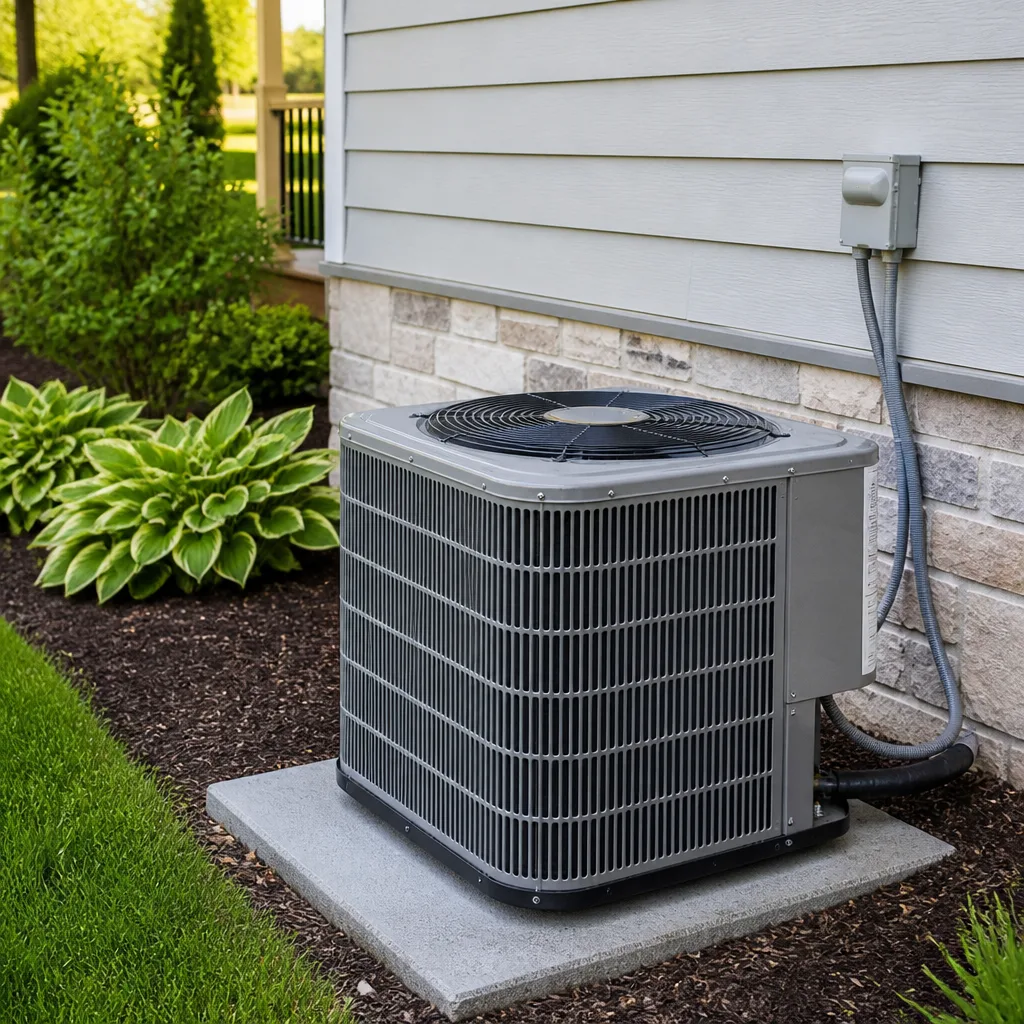 AC repair
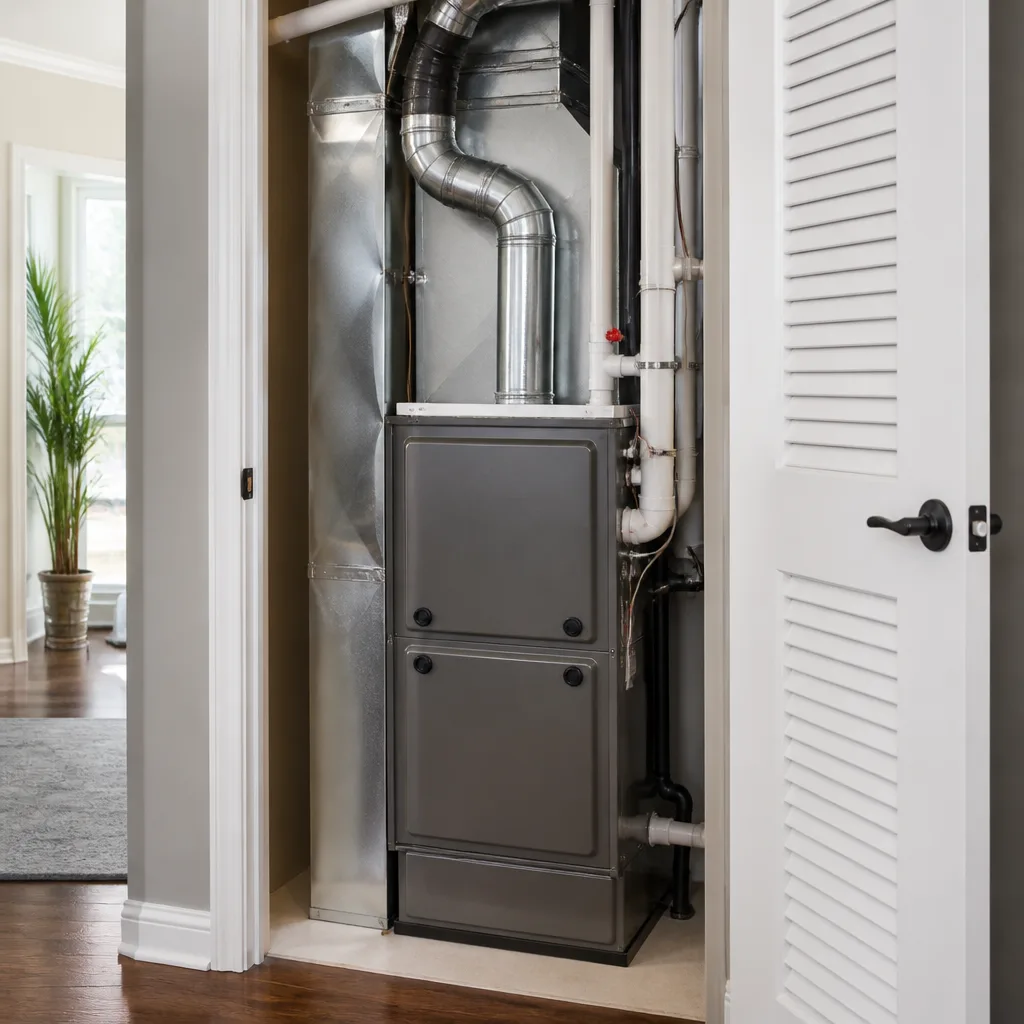 Furnace & heating
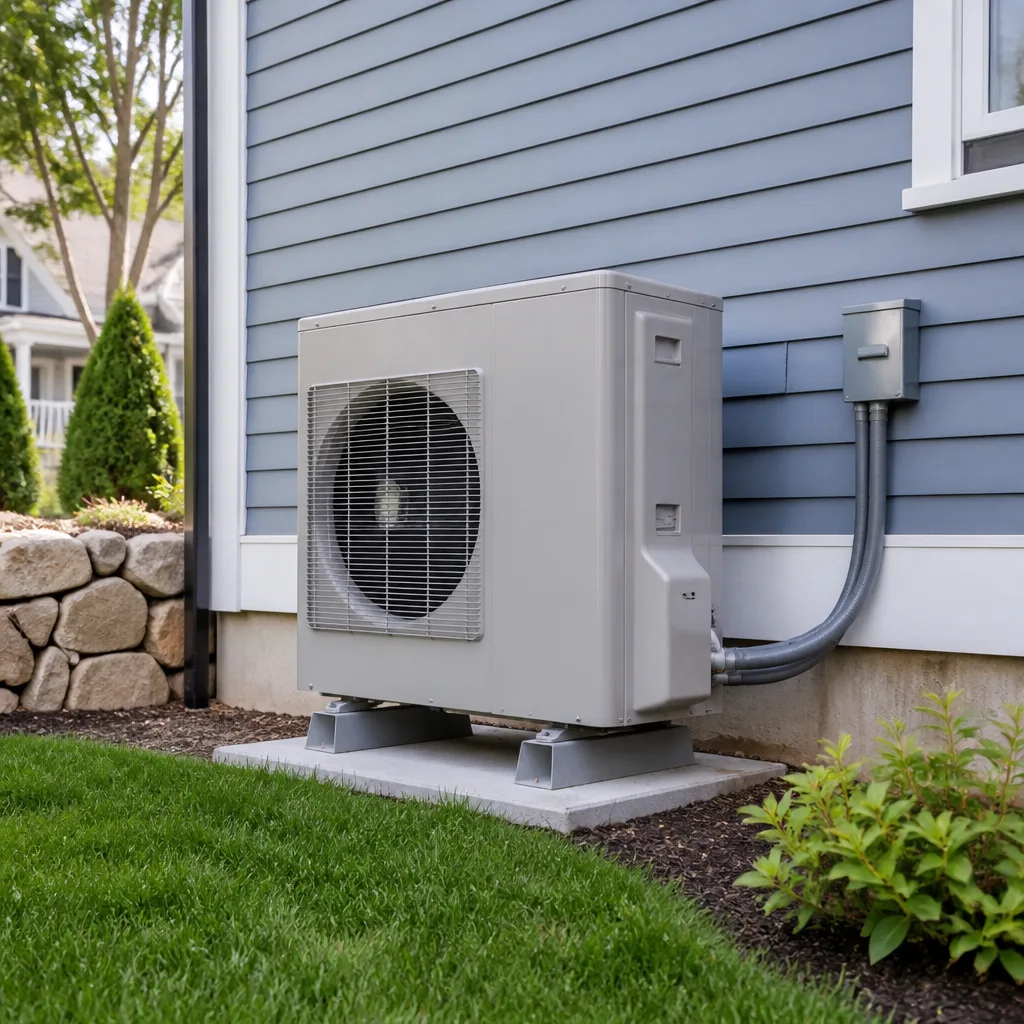 Heat pumps
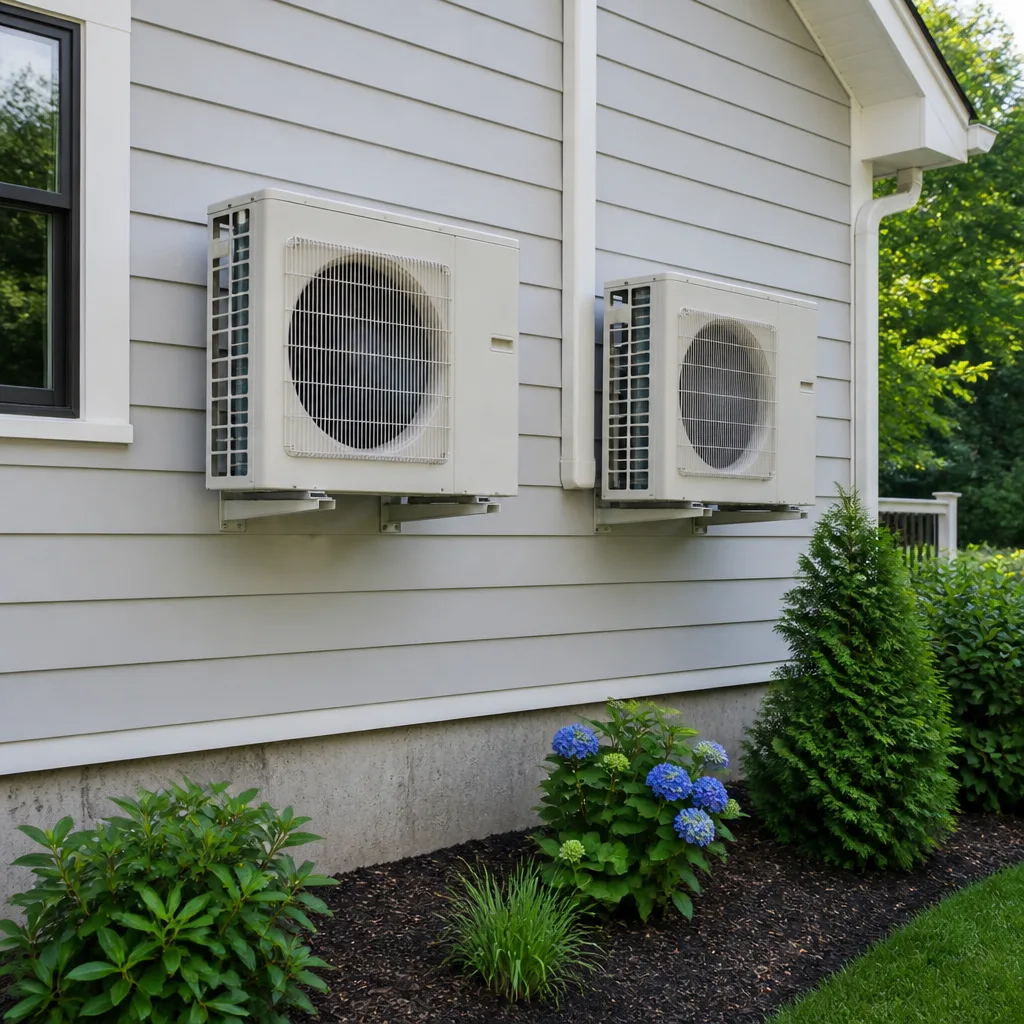 Ductless mini splits
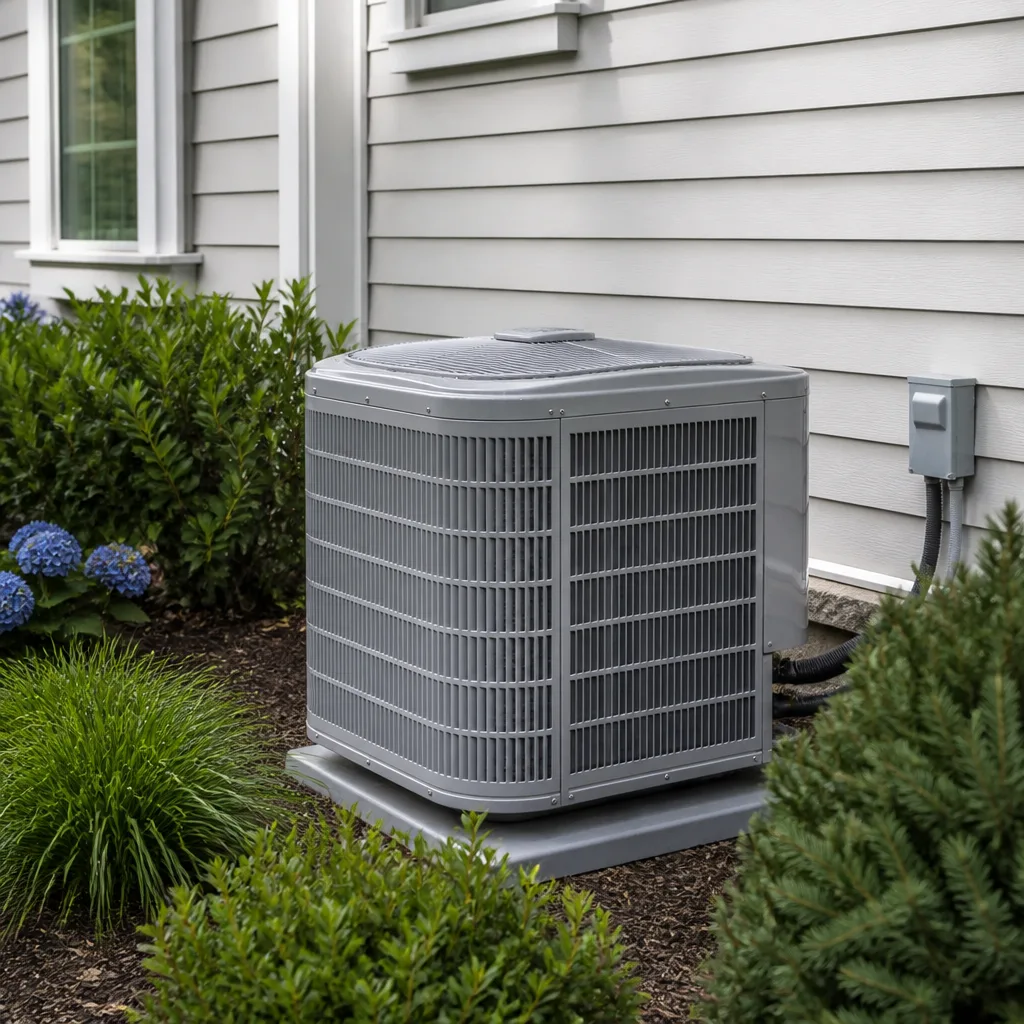 Carrier
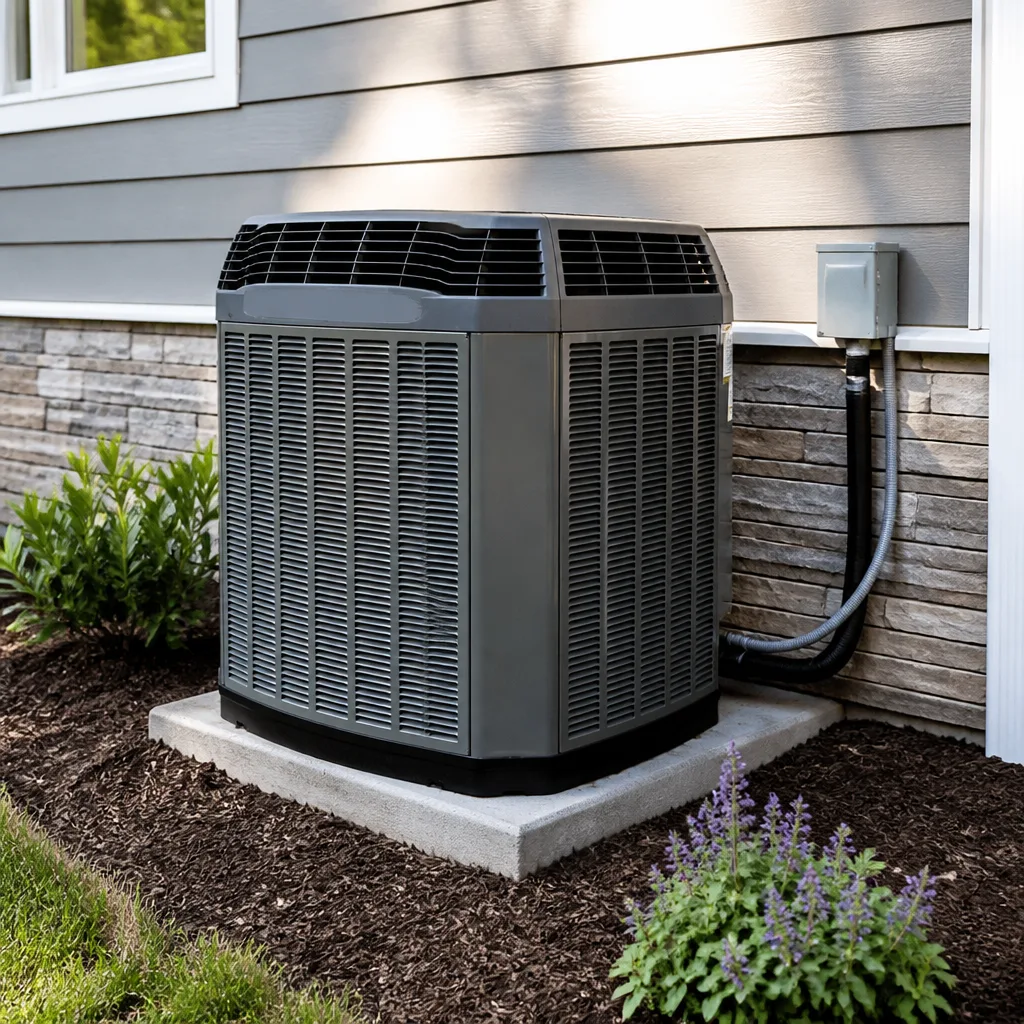 Trane
Trane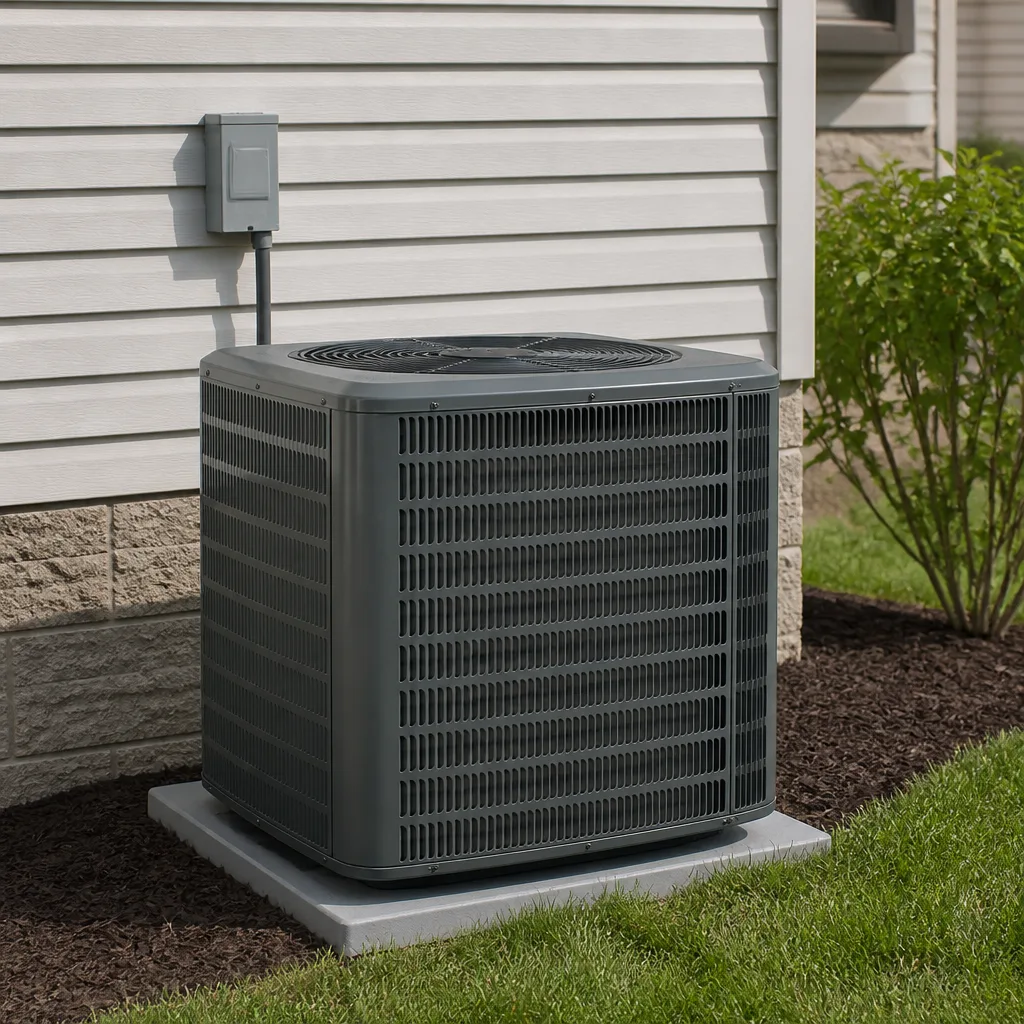 Goodman
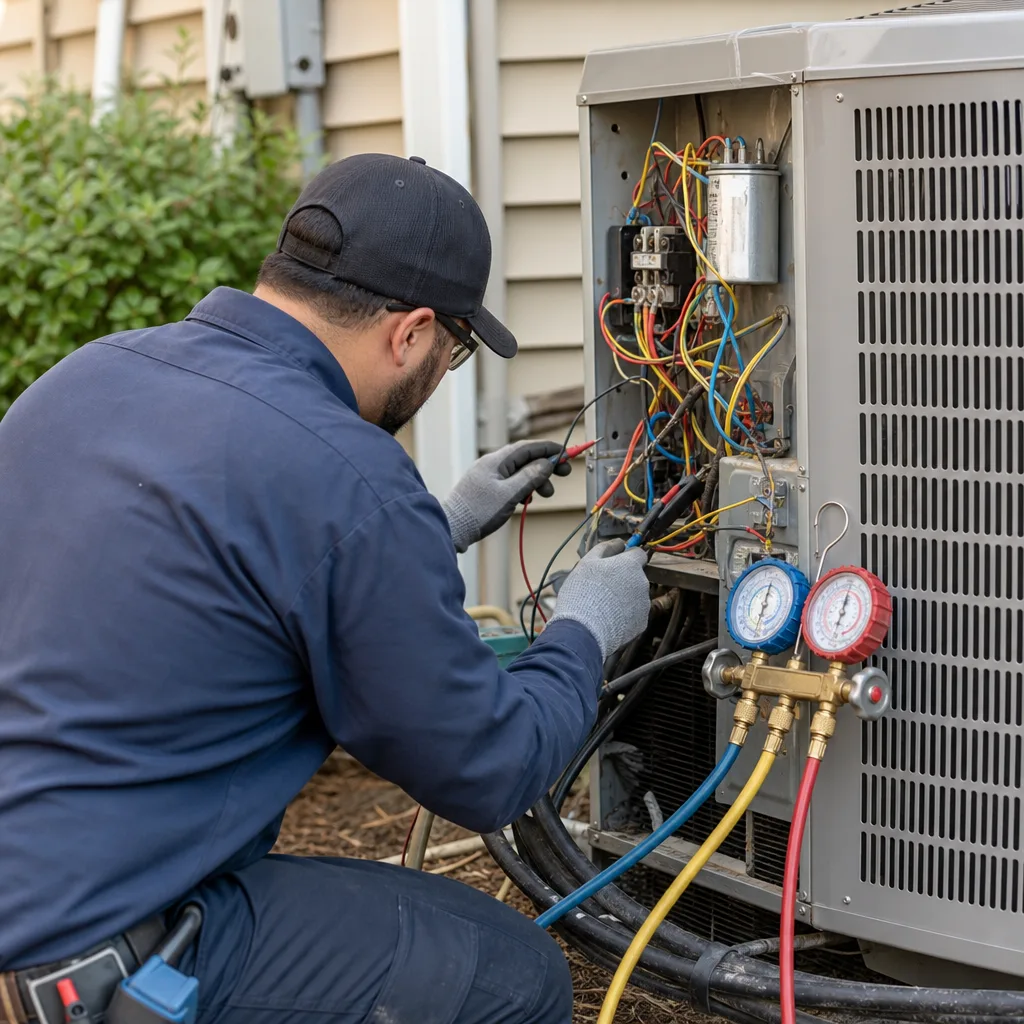
Seasonal tune-up and full diagnostic on your Carrier, Trane, or Goodman system - readings shown to you before any repair is proposed
Diagnosis first, numbers second - you approve the repair price before a single part goes in.
Get your free estimateHVAC Warning Signs: A Fort Worth Homeowner’s Reference Guide
Here’s something most Fort Worth homeowners don’t realize until it costs them real money: the difference between a $300 AC repair and a $3,000 compressor replacement often comes down to about two weeks of paying attention. Warning signs don’t hide. They click, rattle, drip, and show up in your electricity bill as a specific pattern of overconsumption. This guide will teach you how to read those signals like a diagnostic chart, so you can call for the right repair before a worn part takes out the system around it. For a broader overview, see our Complete Guide to HVAC in Fort Worth. We’ve written this from the perspective of a Fort Worth HVAC company that has watched too many families pay for avoidable replacements.
Quick Answer
HVAC warning signs fall into five categories you can monitor yourself: unusual sounds and when they happen, humidity changes in specific rooms, hot and cold spots, electricity bill spikes above 15 percent year over year, and odd smells at startup. If you catch a clicking sound at startup, you’re likely dealing with a capacitor or contactor, a repair in the $150 to $350 range in Fort Worth. If you ignore it, you risk a compressor failure that starts around $1,800 and climbs fast. Most warning signs can be addressed with a scheduled visit, but a burning smell, gas odor, or electrical buzzing at the breaker panel needs same day attention. For a full rundown of what to check, see our AC Repair Maintenance Checklist for Fort Worth Homeowners.
Styles & brands we work with
Table of Contents
- The Sound-Based Diagnostic Reference: What Your HVAC System Is Trying to Tell You
- How to Read Your Electricity Bill as a Warning Sign in Fort Worth
- North Texas Humidity Warning Signs Everyone Misses
- Hot and Cold Spots: Three Causes and the Test That Tells Them Apart
- What HVAC Smells Mean and Which Ones Need Same Day Attention
- Safety Issues vs. Performance Issues: A Plain Yes/No Decision Guide
- When the Age of Your System Is Itself a Warning Sign
- Common Mistakes to Avoid
- When to Call a Professional
- Frequently Asked Questions
The Sound-Based Diagnostic Reference: What Your HVAC System Is Trying to Tell You
Every sound an HVAC system makes carries information. The trick is knowing that when the sound happens matters as much as what it sounds like. A Fort Worth homeowner who hears a click when the AC starts is not hearing the same problem as one who hears clicking while it runs. The timing narrows the diagnosis to one of two components with very different repair costs.
Here is the reference chart we use when homeowners call and describe a sound over the phone. These ranges reflect what we see across Fort Worth, from Ryan Place to North Richland Hills, where summer heat pushes systems hard from June through September.
Clicking at Startup
Loud, single click when the system kicks on: that’s almost always the contactor engaging, and it’s normal. But a rapid click-click-click that repeats several times before the system starts, or a click followed by nothing happening at all, points to a failing capacitor or a contactor that’s arcing. In Fort Worth, capacitor replacement runs $150 to $300 on most residential systems we service, including Goodman, Rheem, and York units. This is a same-week fix, not a same-day emergency, unless the system won’t start at all.
Rattling or Vibrating
Rattling from the indoor unit usually means a loose panel, a failing blower wheel, or debris that got past the filter. From the outdoor condenser, it’s often a stick or leaf stuck in the fan, or a loosened mounting bolt. Rattling is one of the few sounds that can wait a few days if the system is still cooling, but it won’t fix itself, and a loose panel vibrating against the cabinet will eventually wear a hole through the metal.
Banging or Thumping
A single bang when the system starts or stops is often a duct issue: the metal flexes as air pressure changes, and the sound travels through the walls. Repeated banging or a rhythmic thump while the blower runs points to a blower wheel out of balance or a failing motor mount. Duct-related banging is annoying but not urgent. A banging blower wheel should be addressed within the week before the imbalance damages the motor bearings.
Squealing or Screeching
A high pitched squeal, especially when the system first starts, is a belt slipping or a blower motor bearing that’s drying out. Most newer Fort Worth HVAC systems use direct drive motors with no belt, so a squeal on equipment under 15 years old is usually bearing wear. If the sound is continuous, get it checked quickly; motor replacement is less expensive when caught before the motor seizes and takes out the control board with it.
Hissing or Gurgling
Hissing near the indoor coil can mean refrigerant moving through the expansion valve, which is normal. A constant hiss that doesn’t stop, or a gurgling sound from the condensate drain line, suggests a restriction or a low refrigerant charge. Low refrigerant is one of the most common findings in Fort Worth homes during summer, and it’s also one of the most commonly misdiagnosed problems. If a technician adds refrigerant without finding and fixing the leak, you will be back in the same spot next season.
If you’d rather describe the sound over the phone, our team at Meadowsweet Heating and Air Fort Worth home can usually give you a preliminary read before scheduling. We’ve heard every sound a Fort Worth HVAC system can make, and we will tell you honestly if it can wait or if it should be seen today.
How to Read Your Electricity Bill as a Warning Sign in Fort Worth
Your electricity bill tells a story about your HVAC system, and most people never read past the total. In Fort Worth, where summer cooling accounts for roughly 50 to 60 percent of a typical home’s annual electricity use, a change in consumption is one of the earliest and most reliable warning signs that your system is struggling. For year-round guidance, read our Seasonal HVAC Care for Fort Worth: Year-Round Homeowner’s Guide.
Here’s the specific signal we teach homeowners to look for: compare your kilowatt hour (kWh) usage, not your dollar total, to the same month last year. If your July usage is 15 percent or more higher than last July, and you haven’t added square footage, a second refrigerator, or a pool pump, something in the HVAC system is consuming more energy than it should.
Why the percentage matters: a 10 percent increase can be explained by a hotter than average summer or a change in thermostat habits. A 15 to 20 percent increase, sustained across two billing cycles, almost always points to one of these specific failure modes:
- Refrigerant undercharge (a slow leak): the compressor runs longer and harder to hit the same target temperature. Every extra hour of runtime burns electricity without delivering more cooling.
- Dirty or restricted condenser coil: the outdoor unit in a Fort Worth backyard picks up dust, cottonwood, and lawn debris. A restricted coil raises head pressure and forces the compressor to work against itself.
- Failing capacitor: a weak capacitor makes the compressor and fan motor draw more current at startup. That spike, repeated dozens of times per day, shows up on your bill.
- Leaking ductwork in the attic: if 20 to 30 percent of conditioned air is escaping into a 130 degree attic, the system will run almost continuously and you’ll see the difference in kWh.
In our experience serving Fort Worth homeowners, the most common culprit behind an unexplained bill spike in summer is a combination of a restricted coil and a refrigerant level that’s just low enough to reduce efficiency without triggering a noticeable drop in indoor comfort. The system still feels fine. You’re just paying for it.
One more bill pattern worth watching: a sudden single month spike of 25 percent or more, followed by a return to normal. That often indicates a component failure that resolved temporarily, or a thermostat that was accidentally left in override mode. Don’t dismiss it. Make a note of it, and check the next bill carefully.
North Texas Humidity Warning Signs Everyone Misses
North Texas humidity is a year round fact of life, but when your HVAC system is working correctly, your indoor relative humidity should sit between 40 and 55 percent even in August. When it drifts above that range, the problem shows up in ways most homeowners never connect to the HVAC system.
Here are the specific humidity based warning signs we hear about most from Fort Worth homeowners, and what each one usually points to:
- Condensation on double pane windows in summer, especially on the south and west sides of the house. If the moisture is between the glass panes, that’s a failed window seal and not an HVAC issue. But condensation on the inside surface of the glass means indoor humidity is too high and your system isn’t removing moisture properly.
- A musty odor that you notice in specific rooms, usually bedrooms or a hallway bath that doesn’t get much airflow. That odor is often mold or mildew growing in a duct run or on a cold air register where condensation has accumulated. The HVAC component usually responsible is an oversized system that cools the air too quickly without running long enough to dehumidify, or a duct leak pulling humid attic air into the supply side.
- Wood floors cupping or bowing in summer. Hardwood is hygroscopic; it expands when the air is damp. If your floors are cupping in July and flattening back out in October, your indoor humidity is too high during cooling season. In Fort Worth homes with crawlspaces, the fix may involve sealing the crawlspace, but in most slab homes it’s an HVAC issue: short cycling, an oversized unit, or a failed condensate drain that’s adding moisture back into the air stream.
What’s the usual culprit in our experience? An air conditioner that’s too big for the house. Oversized equipment satisfies the thermostat too quickly, so it never runs long enough to pull moisture out of the air. The result is a cold but clammy house, which is a complaint we hear often in older Fort Worth neighborhoods like Fairmount and Berkeley Place, where homes have been updated with new equipment that wasn’t sized to the actual cooling load.
If you’re seeing any of these signs, the first step is to measure your indoor humidity with a simple hygrometer, available for under $15 at any hardware store. If it’s consistently above 55 percent while the system is running, reach out to AC Repair in Fort Worth and ask specifically about dehumidification performance, not just cooling capacity. It’s a different problem and it requires a different diagnostic approach.
Hot and Cold Spots: Three Causes and the Test That Tells Them Apart
A room that stays five degrees warmer than the rest of the house isn’t just uncomfortable; it’s a diagnostic clue. Hot and cold spots have three distinct causes, and treating the wrong one won’t solve the problem. Here’s how to tell them apart before you call a technician.
Cause 1: Duct Leak
A leak in the supply duct means conditioned air is escaping into the attic or wall cavity before it reaches the room. The telltale sign is a room that’s farthest from the indoor unit, or a single room, usually upstairs, that never quite reaches the thermostat set point. A duct leak also pulls return air from the attic, which raises humidity in that part of the house.
Cause 2: Zoning or Damper Failure
If your home has a zoned system with motorized dampers, a damper that’s stuck closed or partially closed will starve one zone of airflow. The telltale sign is that the problem affects a whole zone or floor, not just a single room, and the problem appeared suddenly rather than gradually.
Cause 3: Undersized Equipment or Ductwork
If the equipment or the duct trunks are too small for the heat load, rooms on the far end of the run will never get enough air, no matter what you do. The telltale sign is that the problem has existed since the system was installed, or since a room addition was completed. This is the most expensive fix, and it’s sometimes better addressed with a properly sized system rather than a series of piecemeal repairs.
A Simple Test to Narrow the Diagnosis
- Close all doors and windows. Set the thermostat to 74 degrees and let the system run for 20 minutes.
- Go to the problem room and hold a tissue or a thin strip of paper in front of the supply register. Note how far it moves.
- Now go to a room that’s comfortable and do the same thing at a register of similar size.
- Compare the airflow. If the problem room’s register is moving noticeably less air, the issue is almost certainly a duct restriction or leak, not equipment capacity. If the airflow feels similar but the room is still warm, the problem is more likely a heat load issue: too much window area, poor insulation, or an undersized system for that zone.
This test doesn’t replace a professional airflow measurement, but it gives you a data point to share when you call. A Fort Worth HVAC technician who hears “the register on the south bedroom barely moves air” can come prepared to inspect ductwork rather than selling you refrigerant you don’t need. For airflow issues that point to duct problems, Furnace Repair in Fort Worth covers the same duct system even though the cooling side gets the blame in summer.
What HVAC Smells Mean and Which Ones Need Same Day Attention
Smells are the least ambiguous of all HVAC warning signs, because most of them map directly to a single cause. Here’s a reference for the ones we hear about most in Fort Worth, in rough order of urgency.
Dusty or Burning Smell at First Startup of the Season
When you turn on the heat for the first time in November, dust that settled on the heat exchanger during months of disuse burns off, producing a smell like hot dust or faintly singed lint. This is normal and should clear within 30 minutes. If it persists beyond a day, or appears every time the system runs, that’s not dust and it needs attention.
Electrical or Ozone Smell
A sharp smell like a hot circuit board, an electrical fire, or the ozone smell after a lightning strike points to an overheating motor, a failing capacitor that’s leaking, or wire insulation that’s melting. This is a same day concern. Turn the system off at the thermostat and, if you can do so safely, at the breaker. Do not run the system again until a technician has inspected it.
Musty or Moldy Smell
A persistent musty smell when the system runs usually means microbial growth on the evaporator coil or in the condensate drain pan. In Fort Worth’s summer humidity, an uncovered coil can collect enough moisture to support growth within a single season. This is a performance and air quality issue, not an emergency, but it won’t resolve on its own and it circulates through the whole house with every cycle.
Rotten Egg Smell
This one is not coming from the AC. A rotten egg smell in a gas furnace is the odorant added to natural gas, and it means you have a gas leak at some point in the supply line, the valve, or the burner assembly. This is an emergency. Turn off the gas valve at the furnace if you can safely reach it, leave the house, and call your gas utility first and an HVAC technician second. Do not flip light switches, use a phone inside the house, or start a car in an attached garage until the leak is located and stopped.
Sweet or Ether Like Smell
A sweet, chloroform like smell near the indoor coil or the outdoor unit is refrigerant. A refrigerant leak means your system is losing its ability to cool, and the leak needs to be found and repaired before the system is recharged. Depending on the size of the leak and the age of the system, this is a repair or replacement conversation, and our technicians will walk you through both options with written pricing before any work starts.
Safety Issues vs. Performance Issues: A Plain Yes/No Decision Guide
Not every warning sign is an emergency. Treating a performance issue like an emergency will cost you an overtime service call you didn’t need. Treating a safety issue like a performance issue can be worse. Here’s a decision guide for Fort Worth homeowners, cut as plainly as we can make it.
Call for Same Day Service If You Notice Any of These
- Rotten egg smell (natural gas leak) – evacuate and call the gas utility first
- Electrical burning smell or visible smoke from the unit or the breaker panel
- Buzzing or crackling from the breaker panel when the system kicks on
- Carbon monoxide detector sounding in a home with a gas furnace
- No heat in a house with children under two or elderly residents during a Fort Worth winter freeze
- Water leaking from the indoor unit onto electrical components
For these, call (682) 610-2888. A live person answers day or night, and we will tell you over the phone what to do in the next 15 minutes while a technician is on the way.
Schedule Within a Week If You Notice Any of These
- Clicking or humming at startup that the system eventually overcomes
- Rattling or vibrating from either unit while the system runs
- A room that’s consistently five degrees warmer than the rest of the house
- Condensation on indoor windows during summer cooling
- A 15 percent or higher kWh increase over the same month last year
- Musty smell from the vents that appears whenever the system runs
Schedule Sometime This Season If You Notice Any of These
- A faint dust smell at the first startup of heating season that clears within an hour
- One degree temperature difference between rooms, with no other symptoms
- Slightly higher humidity that you notice only on the stickiest days
- An aging system (12+ years) that’s still functioning but clearly working harder than it used to
The dividing line we use at Meadowsweet Heating and Air Fort Worth home is whether continuing to run the system risks damaging equipment, causing harm, or making a repair more expensive. If it does, we’ll tell you that plainly and help you decide what to do. If it doesn’t, we’ll tell you that too, and we’ll give you a written price before anything is scheduled.
When the Age of Your System Is Itself a Warning Sign
Age isn’t a sound or a smell, but it’s one of the most useful warning signs a Fort Worth homeowner can track. Most residential HVAC equipment in North Texas lasts 12 to 15 years, and the last two or three years of that lifespan are when the expensive failures happen. Knowing where your system sits on that timeline changes how you should respond to any other warning sign.
Here’s the age based reference we use when a homeowner calls with a repair question:
| System Age | What to Expect | How to Respond to Warning Signs |
|---|---|---|
| 0 – 6 years | Reliable operation with routine maintenance. Most issues are refrigerant undercharge, capacitor wear, or thermostat misconfiguration. | Repair is almost always the right call, and warning signs should be addressed quickly to protect the warranty. |
| 7 – 11 years | Component wear accelerates: blower motors, condensate pumps, contactors, and control boards are the common failures. Efficiency may decline gradually. | Repair when the component cost is under about 30 percent of a new system. Above that, start comparing the replacement path. |
| 12 – 15 years | Compressor or heat exchanger failure becomes a real risk. Refrigerant changes (R-22 to R-410A) may make recharge prohibitively expensive. | Any single major repair, or two minor repairs in one year, is usually the signal to plan a replacement. |
| 16+ years | The system is operating well past expected life. Efficiency is likely far below current standards, and parts may be discontinued. | Don’t spend real money on repairs. Begin replacement planning before a Fort Worth heat wave forces the decision. |
One important note for R-22 systems: if your system was installed before 2010, it may use R-22 refrigerant, which is no longer produced in the United States. A recharge on an R-22 system can cost several times what it cost ten years ago because the supply is limited to recycled and reclaimed stock. If you have an older system and you’re facing a refrigerant leak, the financially responsible answer is often replacement, not recharge. AC Installation in Fort Worth can give you a fixed, written price for both options and let the numbers make the decision.
Common Mistakes to Avoid
- Ignoring a click because “it still works.” A weak capacitor is the single most common cause of avoidable compressor failure in Fort Worth. The click is a $200 signal. The compressor it protects is a $2,000 component. Timeliness is the whole game.
- Adding refrigerant without finding the leak. Technicians who “top off” a system without performing a leak search are charging you for a temporary fix that will fail again. Always ask whether the leak was located and repaired, not just refilled.
- Setting the thermostat lower to fix a hot room. Cranking the AC to 68 won’t fix a duct leak or an undersized zone. It will, however, run your compressor longer and raise your bill while the problem room stays warm.
- Replacing one zone or room’s equipment without checking duct sizing. In Fort Worth homes with add ons or converted garages, the ductwork is often the actual problem, and a new unit will underperform the same way the old one did.
- Waiting until a Texas heat wave to address a warning sign. Service demand in Fort Worth peaks in the first heat wave of June. If you’ve noticed a performance issue in May, schedule it before the rush; same day availability during a heat event is never guaranteed, for any company.
- Dismissing a musty smell as “just an old house.” Persistent musty air from the vents is almost always coil or duct contamination. The longer it’s ignored, the more involved and costly the cleanup becomes.
- Comparing repair costs without considering system age. A $900 repair on a four year old system is almost always worth it. The same $900 on a 14 year old system is a poor investment. Treat age as part of the cost decision.
When to Call a Professional
You can diagnose the category of a problem from the sounds, smells, and bill patterns in this guide. You should not attempt to repair any of them yourself. HVAC systems combine high voltage, high pressure refrigerant, and moving parts that will take a finger if you’re lucky and worse if you’re not. Opening a cabinet without disconnecting power, or attempting to clear a clogged drain line without understanding how overflow switches work, is how small problems become emergency room visits. If you’ve identified a warning sign and the next step is “open the unit,” that’s the moment to make the call. Meadowsweet Heating and Air Fort Worth home offers free estimates in Fort Worth – call (682) 610-2888 and a live person will answer, day or night.
Frequently Asked Questions
The most common HVAC warning sign in Fort Worth homes is a 15 to 20 percent increase in summer electricity usage compared to the same month last year. This increase usually points to a low refrigerant charge, a dirty condenser coil, or leaking ductwork. Call (682) 610-2888 and we can help narrow it down over the phone.
A single loud click at startup is the contactor engaging and is normal. A rapid click-click-click, or a click that doesn’t result in the system starting, points to a failing capacitor or contactor. In Fort Worth, capacitor replacement typically runs $150 to $300, and it’s worth addressing within the week before it damages the compressor.
Yes. A sustained increase of 15 percent or more in kWh usage, without a corresponding change in household activity, is a reliable early warning of HVAC inefficiency. The most common causes are a refrigerant undercharge, a restricted outdoor coil, or leaking ducts. Treating the bill as a warning sign can catch problems before they become equipment failures.
The most common cause of high indoor humidity with an operating AC in Fort Worth is an oversized system that short cycles. The unit reaches the set temperature too quickly, so it never runs long enough to remove moisture from the air. A failed condensate drain or a duct leak pulling in attic air are other common culprits.
An electrical burning smell or an ozone like smell is a same day safety concern. Turn the system off at the thermostat and breaker, and call for service before running it again. A dusty smell at the first startup of heating season is normal and should clear within 30 minutes. A rotten egg smell is natural gas and requires immediate evacuation and a call to your gas utility.
Use the age rule: on a system under 7 years old, most repairs are worth making. On a system 7 to 11 years old, repair when the cost is under about 30 percent of a replacement. On a system 12 years or older, a major repair like a compressor or heat exchanger failure is usually your signal to replace. Call (682) 610-2888 for a fixed written price on both options, and the numbers will make the decision clear.
The Bottom Line
HVAC warning signs are a language. The click at startup, the bill that jumps 18 percent, the condensation on the inside of a bedroom window, the register that barely moves air: each one points to a specific problem with a specific price range and a specific urgency. The value of learning this language is that you control the timing. A capacitor replaced on your schedule in May is a $200 repair. The same capacitor ignored until the compressor it protects overheats and seizes in August is a $2,400 replacement. The difference isn’t luck; it is attention. When you’re ready, call (682) 610-2888. We will give you a written price before any work begins, and we will leave your home the way we found it, shoe covers and all.
Written by Luis Serrano, Owner at Meadowsweet Heating and Air Fort Worth, serving Fort Worth since 2004.
See the difference
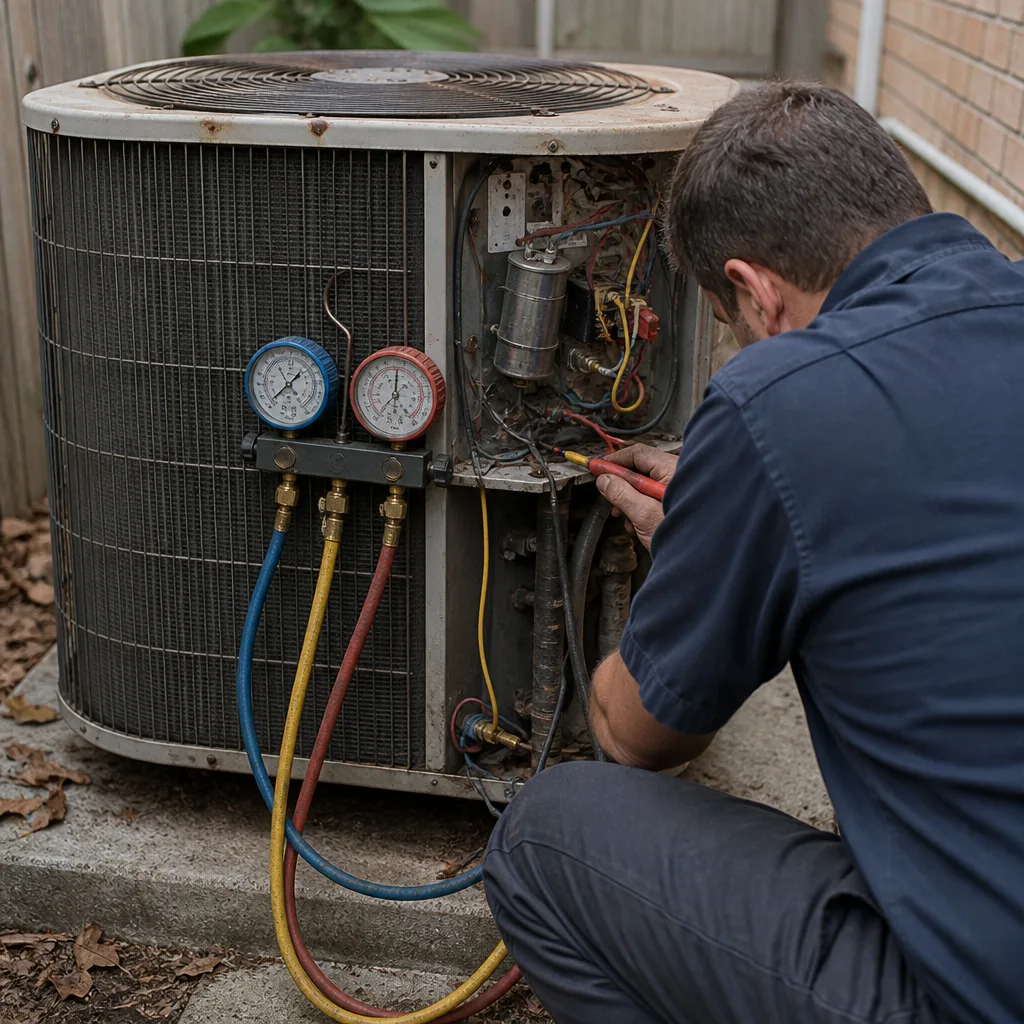 Before
 After
After Before
 After
After Before
 After
After