
Last updated October 16, 2026
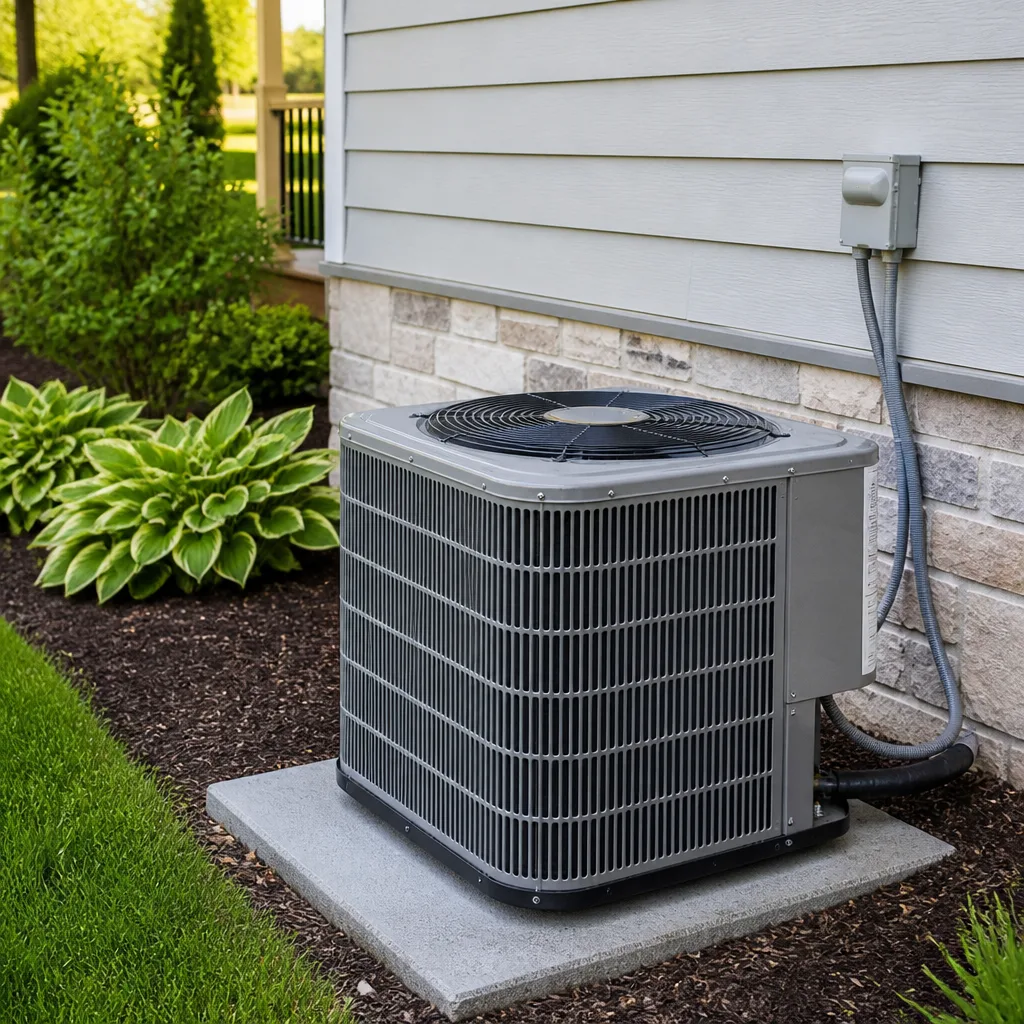 AC repair
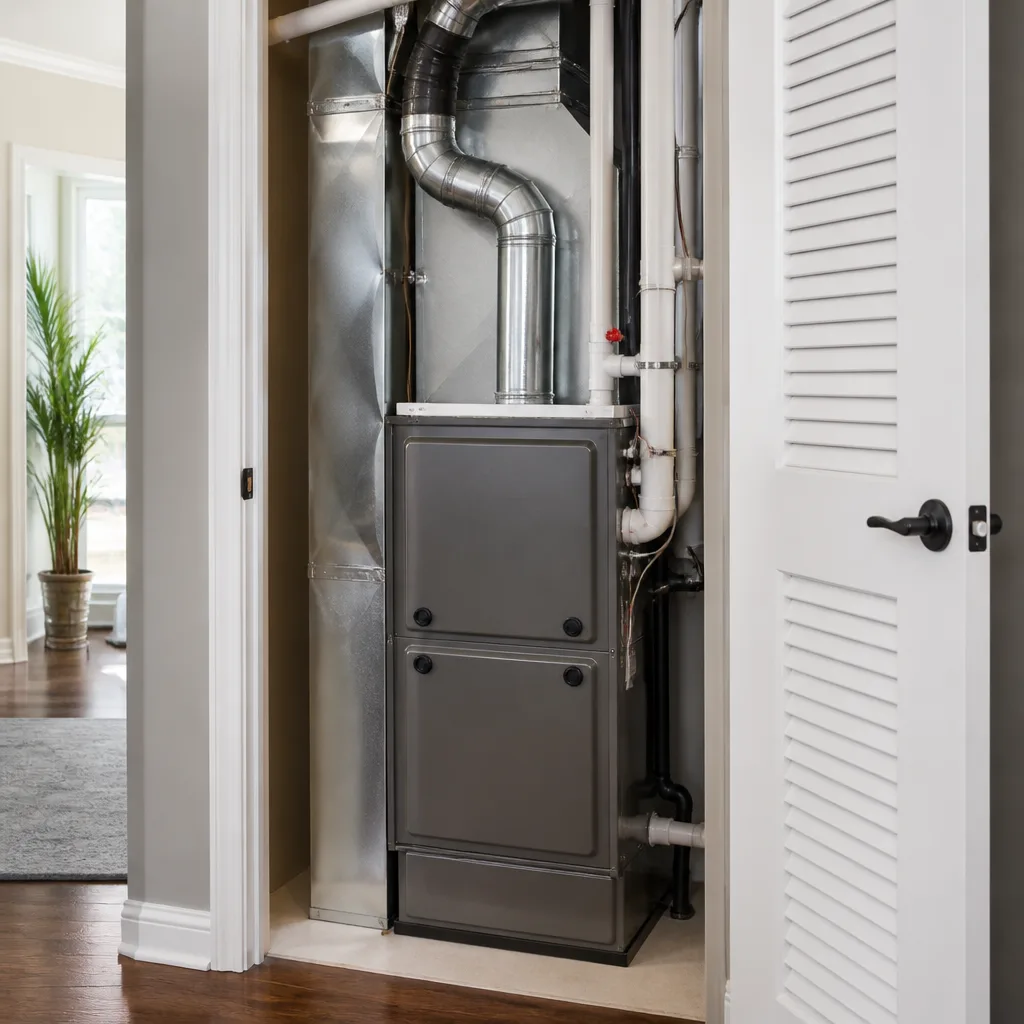 Furnace & heating
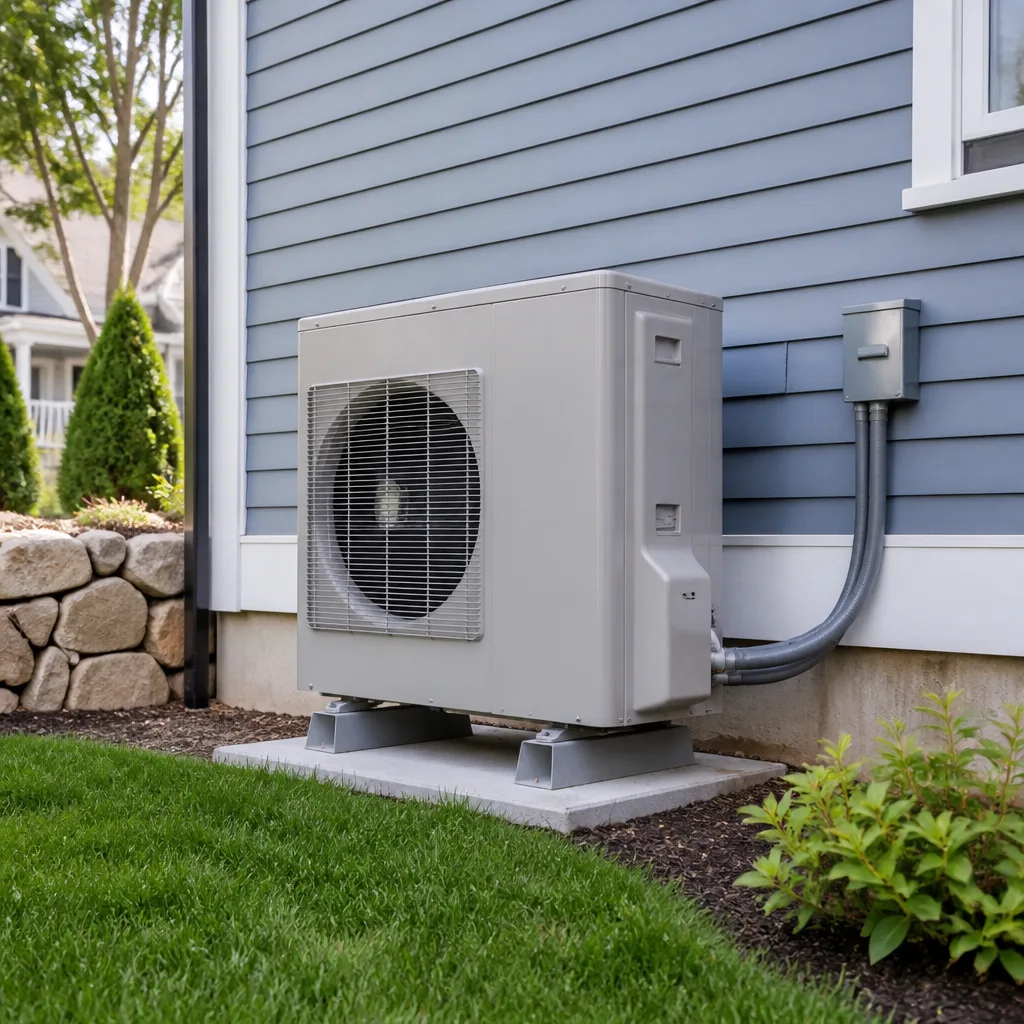 Heat pumps
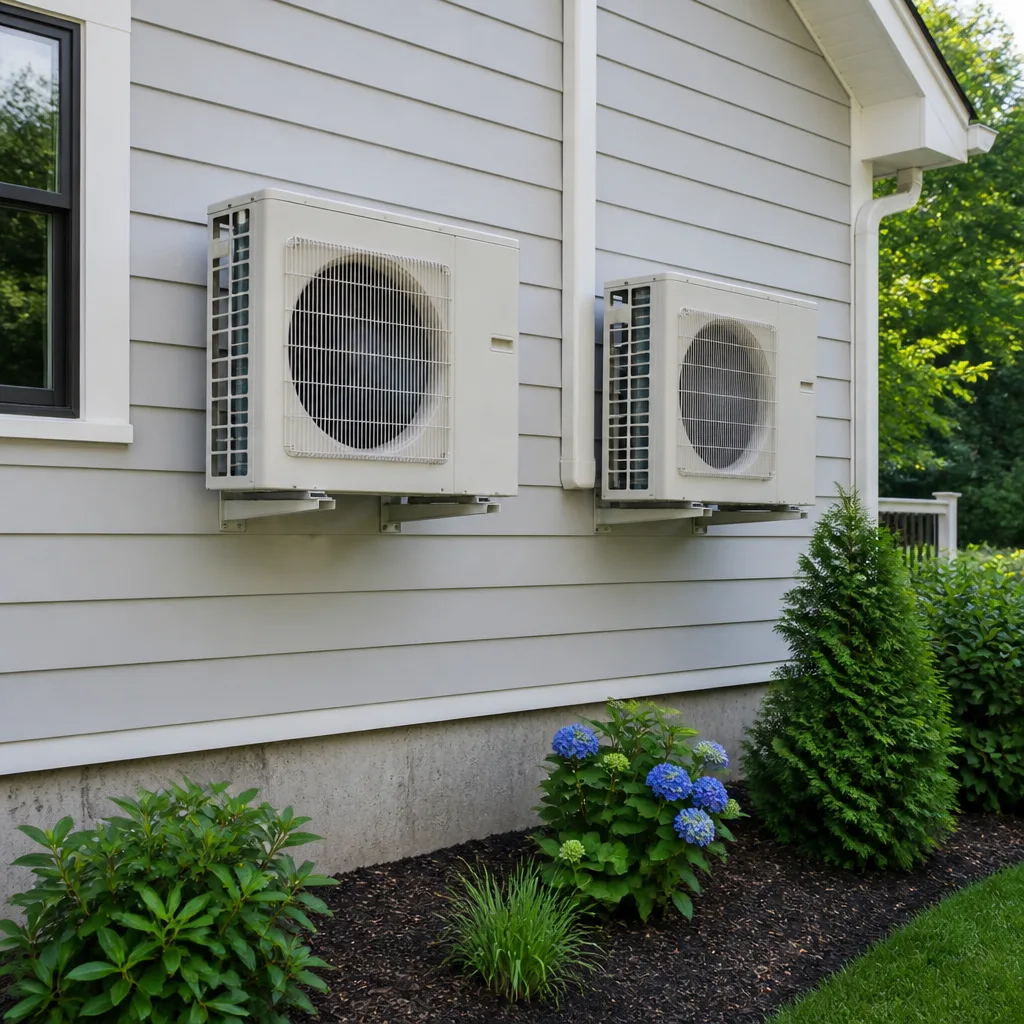 Ductless mini splits
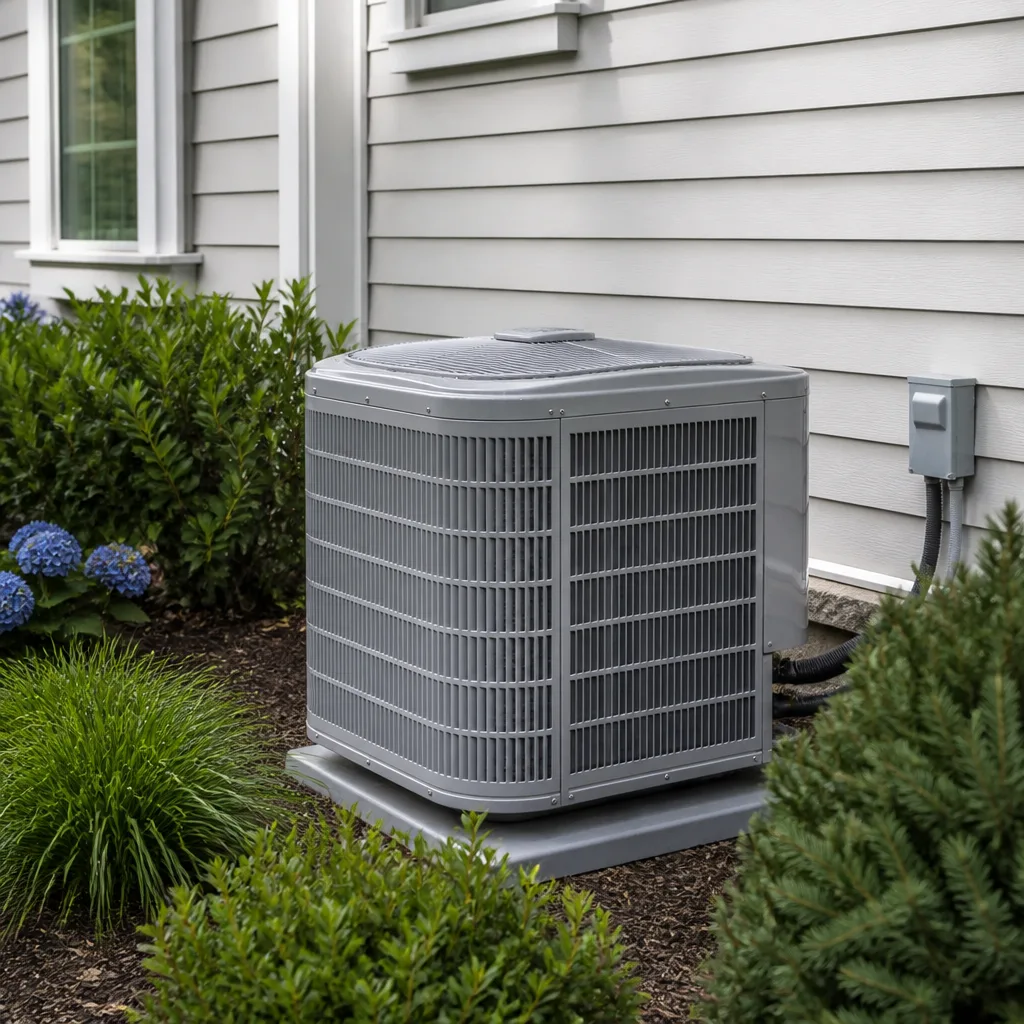 Carrier
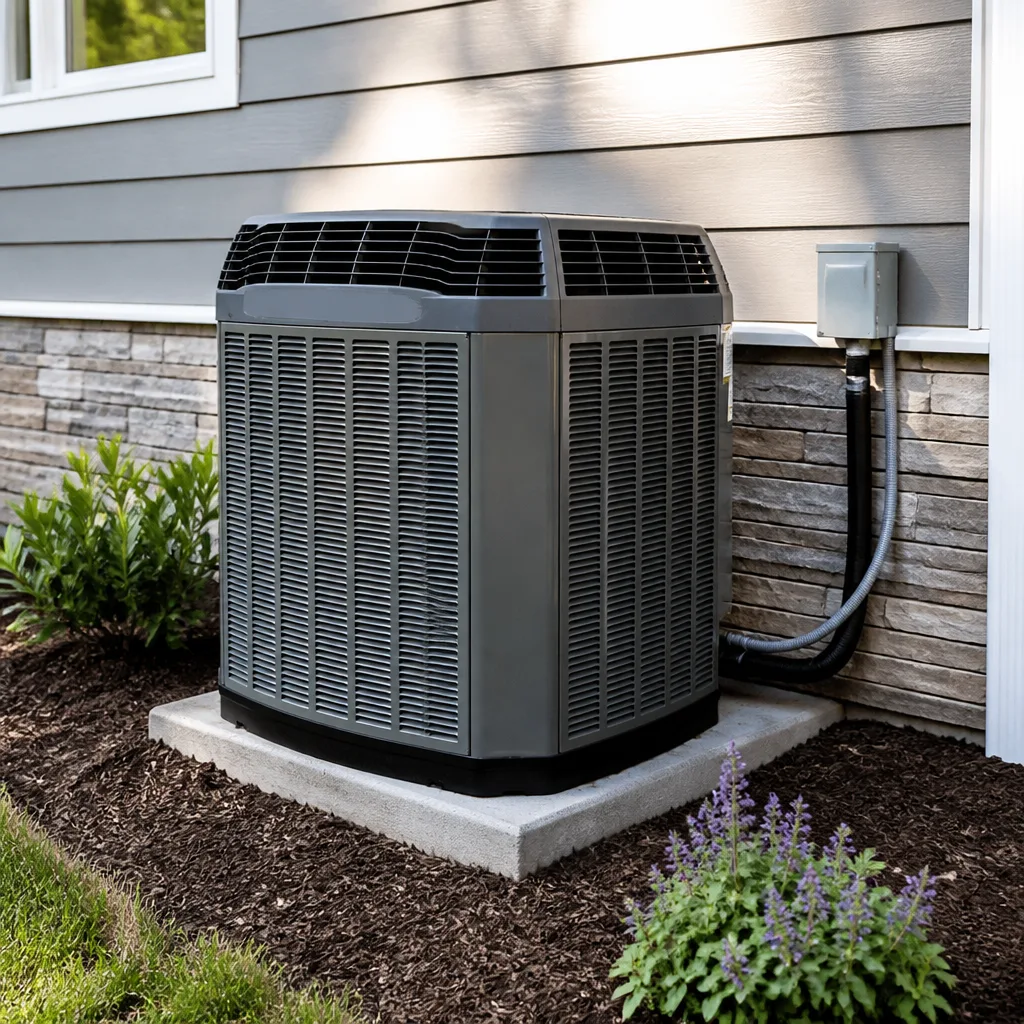 Trane
Trane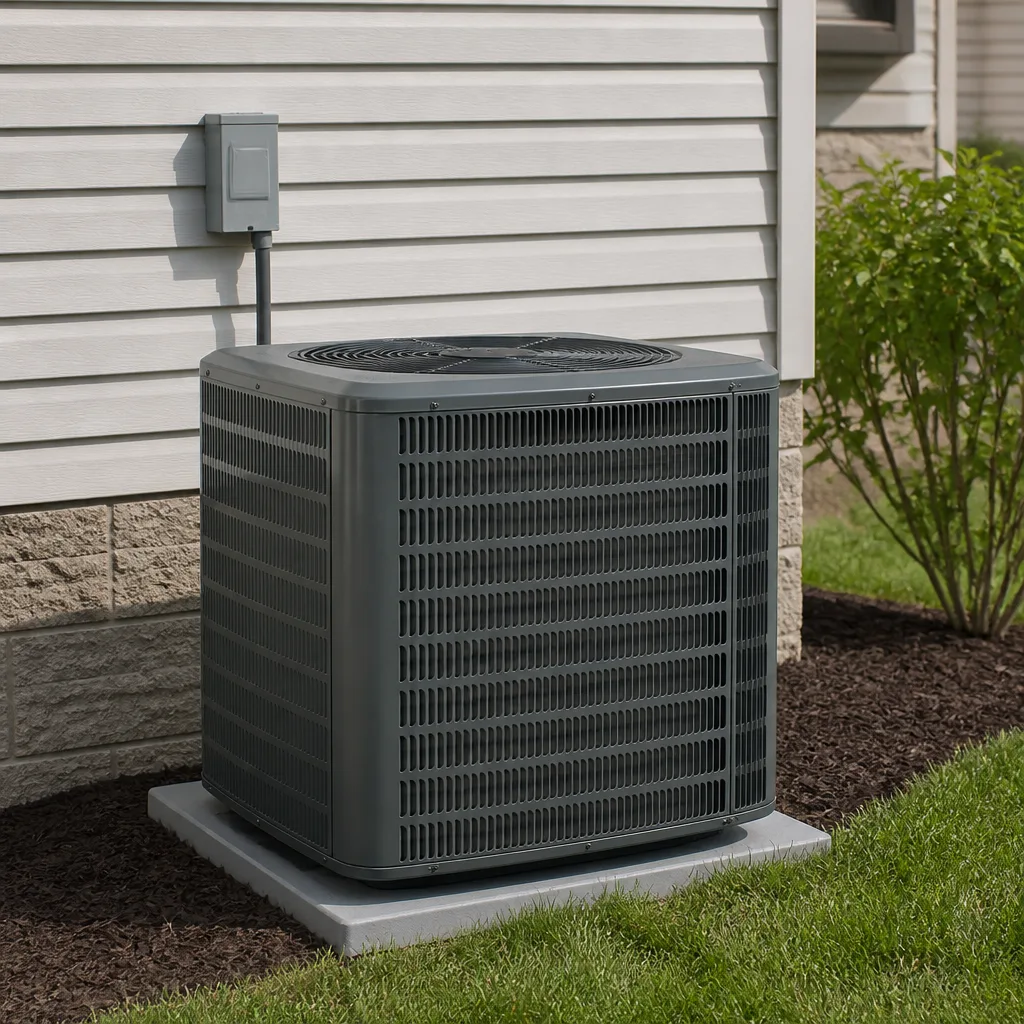 Goodman
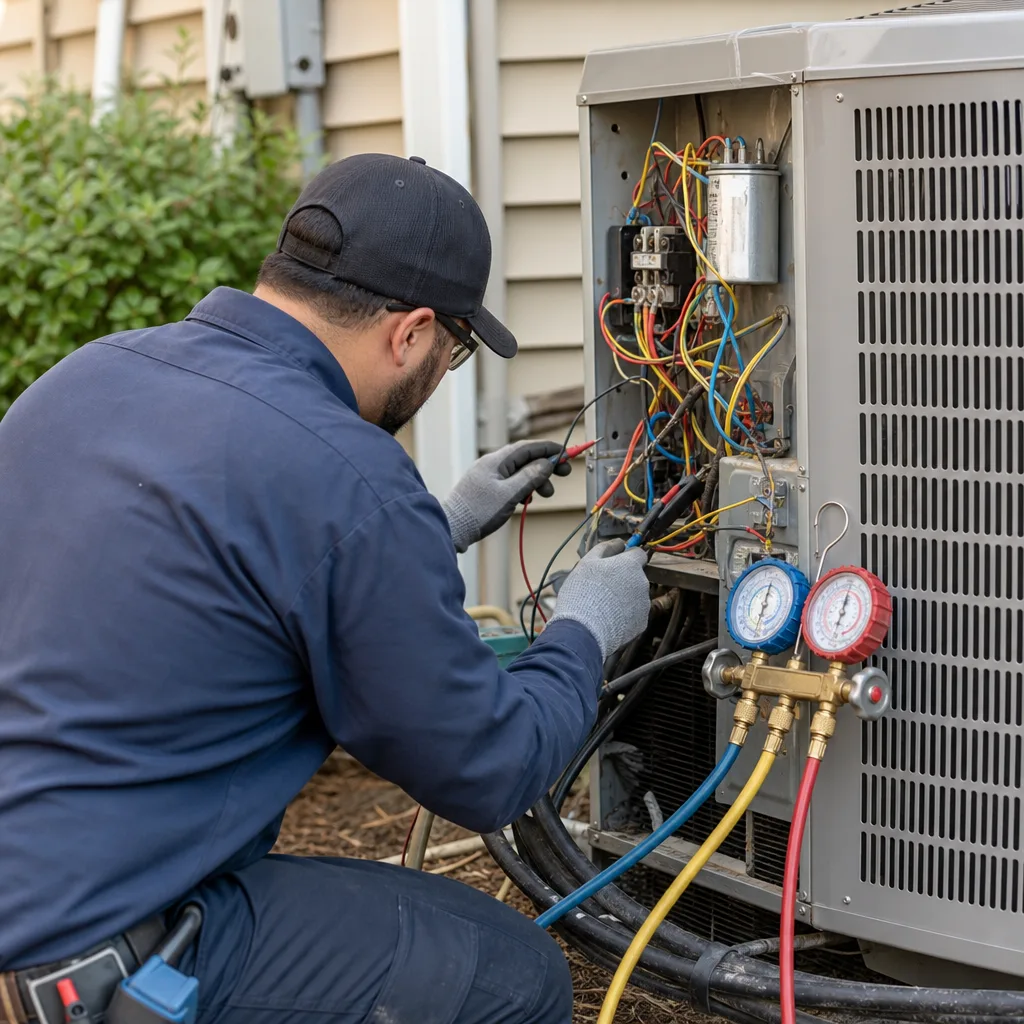
Seasonal tune-up and full diagnostic on your Carrier, Trane, or Goodman system - readings shown to you before any repair is proposed
Diagnosis first, numbers second - you approve the repair price before a single part goes in.
Get your free estimateHow to Hire a HVAC Contractor in Fort Worth: A Step-by-Step Guide
Here’s a number that surprises most Fort Worth homeowners: Texas requires HVAC contractors to carry liability insurance, but the state does not require them to put a price in writing before the work begins. That gap is why the most common HVAC complaint filed with the Texas Department of Licensing and Regulation isn’t shoddy workmanship. It’s billing disputes. What happened between the handshake and the final bill. This guide walks you through exactly how to verify a contractor before they arrive, what to watch for during the estimate, and the one document that separates a contractor you can trust from one you’re gambling on. For HVAC Warning Signs: A Fort Worth Homeowner’s Reference Guide and other resources, see our blog. We’ve written it as the step-by-step process we wish every family in Fort Worth had before making a five-figure or even five-hundred-dollar decision about the air in their home.
Styles & brands we work with
Quick Answer
To hire an HVAC contractor in Fort Worth, verify their Texas license and insurance on the TDLR public database, require a written price that itemizes labor, parts, disposal, and permit fees before any work starts, and ask whether their workmanship warranty covers labor for at least one full year. Then, watch how the technician treats your home during the estimate. A contractor who doesn’t protect floors during a sales visit won’t protect them during an install.
Table of Contents
- Step 1: Verify the License and Insurance on TDLR – Every Time
- Step 2: Require a Written Price Before Work Begins
- Step 3: What to Expect During the Estimate Visit
- Step 4: Background Checks – What the Phrase Actually Means
- Step 5: The One-Year Workmanship Warranty Standard
- Fort Worth Climate and HVAC: What You’re Actually Buying
- Questions to Ask Any Contractor Before Signing
- Common Mistakes to Avoid
- When to Call a Professional
- Frequently Asked Questions
- The Bottom Line
Step 1: Verify the License and Insurance on TDLR – Every Time
Every HVAC contractor doing regulated work in Texas must hold a license issued by the Texas Department of Licensing and Regulation. The license exists because working with refrigerant, gas lines, and high-voltage electrical connections is dangerous when done wrong. A mistake in any one of those areas can damage your equipment, your home, or the people inside it. So the state set a baseline: prove you know the trade, pass an exam, carry liability insurance, stay current with continuing education. But here’s what many Fort Worth homeowners don’t realize: verifying a license takes about ninety seconds, and almost nobody does it.
There are three numbers you want to check on TDLR’s public license search database before any contractor steps inside your home:
- The company’s HVAC contracting license number. This is the license that permits the business itself to perform regulated HVAC work. Without it, the company cannot legally pull permits, install a system, or even repair a refrigerant leak. You can search by company name or license number on the TDLR website. The address should match the city where the contractor actually operates, or at minimum a real business address in Texas.
- The individual technician’s registration or certification number. Texas requires individual technicians who work on HVAC systems to be registered with the state. When the crew arrives, ask for the technician’s TDLR registration number. Write it down. Then verify it matches a currently valid registration on the same public database. A company with a valid license but unregistered technicians is a red flag. It means the business passed its paperwork but the person touching your furnace or condenser may not have.
- The proof of liability insurance and workers’ compensation coverage. The state requires licensed contractors to carry liability insurance, but not all policies are equal, and some lapse. Ask to see the certificate of insurance, not just a claim that they’re covered. Look for the policy effective dates. A policy that expired six months ago is not protection. Workers’ compensation covers the crew if someone gets hurt on your property. Without it, in some circumstances, the homeowner’s property insurance could be asked to respond. You don’t want that.
In Fort Worth, we’ve seen homeowners hand over deposits to contractors who were never licensed at all, or whose licenses lapsed mid-payment. The verification process feels bureaucratic, but it’s the single fastest way to eliminate the bottom tier of the market. A contractor who hesitates when you ask for a license number, or says they’ll send it later, has just told you something important about how they operate. Every reputable contractor in Fort Worth knows their license number by memory or can pull it up on a phone in under a minute. At Meadowsweet Heating and Air Fort Worth home, our technicians carry their registration details and we’re glad to show them. The state baseline is the floor, not the ceiling. But it’s the floor you stand on first.
Step 2: Require a Written Price Before Work Begins – and Know What It Should Include
A verbal estimate is worth the paper it’s printed on. Here’s the exact problem Texas homeowners face: the state requires licensed contractors and insurance, but it doesn’t require a written price. That means a contractor can say “looks like around four hundred dollars” and then hand you a bill for nine hundred and twenty after the job is done, claiming they found additional issues, or the diagnosis took longer, or the part wasn’t in stock. By then, the system is already repaired or replaced. You have no leverage. This reality is why the most common HVAC complaint filed with TDLR is a billing dispute.
A written price guarantee should itemize four things with real dollar amounts:
- Labor: the exact charge for the technician’s time, stated in dollars, not hours. “Up to four hours” is a range. “$185 flat diagnostic fee” is a number.
- Parts: the specific part numbers or at minimum the specific component being replaced or installed, with the price of each.
- Disposal fees: removing an old furnace, condenser, coil, or refrigerant. Some contractors bury this cost in the fine print or add it as a line item shock at the end. It should be on the written quote.
- Permit fees: if the job requires a city of Fort Worth mechanical or electrical permit, the fee should already be calculated and listed. Not “permits as needed” but the actual dollar amount.
The specific phrases that make a written price enforceable, versus decorative, are simple. “This is the full price for the work described above. No additional charges will be added without a written change order signed by the homeowner.” If a price quote doesn’t say something similar, it’s a suggestion, not a commitment. In our experience, the most common surprise charge on Fort Worth HVAC bills is the disposal fee, followed by the “second trip” fee when a part has to be ordered. A good contractor builds both into the first quote. That’s what our written pricing does: the price is set before the work starts, on every visit, every time. No line item appears at the end that wasn’t on the paper at the beginning.
One more detail. Ask whether the written price includes the diagnostic fee if you choose to proceed with the repair. Many Fort Worth companies charge a diagnostic fee for the visit, then apply it as a credit toward the repair. Some don’t. Both approaches are legitimate. What matters is that you know which one you’re getting before the technician starts unscrewing panels. A flat, disclosed diagnostic fee is fine. A diagnostic fee that doubles because the repair got complicated mid-visit is not.
Step 3: What to Expect During the Estimate Visit – and What to Watch For
The estimate visit is a job interview, and you’re the one hiring. What the technician does and doesn’t do during that thirty to sixty minutes tells you more about the finished project than any marketing language. Contractors know this, which is why the best ones treat the estimate like the work has already started. The floor is protected before the first tool comes out.
Here’s what a competent technician should measure and examine on a repair or replacement estimate in Fort Worth:
- The square footage and layout of the conditioned space. Not a glance at the ceiling. Real measurements. For a replacement system, proper load calculations consider square footage, ceiling height, window count, orientation, and insulation. A technician who sizes a system by “the old one was a three-ton, so the new one’s a three-ton” is guessing. Fort Worth summers regularly push past one hundred degrees for days on end, and a system that’s too small never catches up. A system that’s too big short-cycles, leaving humidity in the air and premature wear on the compressor. Both are costly mistakes in a North Texas climate.
- The ductwork condition and airflow. At minimum, a visual check of the return and supply plenums, the visible trunk lines, and the condition of the registers. If the technician never looks at your ducts, they’re not checking the system. They’re checking the box in the garage.
- Specific questions about how the home feels. Hot rooms, cold rooms, rooms that smell musty, windows that face west and cook in the afternoon, how many people sleep in the house, whether pets shed heavily enough to clog return filters faster than normal. These questions reveal whether the contractor is solving for the house or selling for the truck.
And here’s what they should never do:
- Pressure you to sign the same day. A legitimate five-figure replacement decision deserves a night to think. Price pressure signals a sales commission that’s about to expire, not a deal that’s about to vanish.
- Start diagnosing without explaining what they’re doing. The C.A.R.E. values we train our technicians on include “Explain the price before the work.” But that value extends to the diagnosis too. A good technician narrates the visit. You shouldn’t have to ask what they’re looking at inside the condenser.
- Leave the estimate as a single number with no breakdown. “About $8,400” with no supporting detail is not an estimate. It’s a guess with a smudge of professionalism.
- Skip the indoor portion of the inspection. A technician who only looks at the outdoor unit and the thermostat didn’t actually inspect the system. The air handler, coil, drain pan, and filter situation are where problems hide.
- “What specific checks do you run, and how recently was the last one for the technician who’s coming to my home?” Vague answers are your answer. A company that has a real process can describe it in one sentence.
- “Are background checks run at hire only, or are they re-run periodically?” A background check from 2016 has limited value in 2026. People change. Good companies re-screen on a schedule.
- “Do you verify employment history and references for new technicians?” A criminal background check tells you the technician doesn’t have a record. It doesn’t tell you they actually know the trade. Reference checks and skill verification are separate and equally important.
- “Are your technicians employees or subcontractors?” This is the question most people skip. Subcontractors may be qualified, but the company has less direct control over their screening, training, and behavior in your home. The accountability chain is thinner. When something goes wrong, the company can point at the subcontractor. When technicians are direct employees, the company owns the entire outcome.
- “Can I see your TDLR license number and the technician’s registration number?” Then verify both on the TDLR database. In front of them. On your phone.
- “Will you put the full price, including disposal and permit fees, in writing before any work begins?” Not “can you.” Will you. The distinction matters.
- “What specific background checks do you run on technicians, and when was the last one for the person coming to my home?” Listen for concrete answers, not reassurances.
- “Does your workmanship warranty cover labor for a full year, or just parts?” If the answer is “the manufacturer covers the parts,” that’s a no on labor. Push.
- “Are your technicians employees or subcontractors?” You want employees. Accountability is cleaner.
- “How do you protect the floors and the rooms you’ll walk through?” Shoe covers, drop cloths, floor runners. The answer should be immediate and specific. If they stammer, be skeptical.
- “If I need service on a Saturday night in July or a Sunday morning in January, who answers the phone?” A live person answers every call at Meadowsweet Heating and Air, 24 hours a day, 7 days a week. That’s not the industry default. Ask.
- Hiring based on the lowest estimate. In Fort Worth HVAC, a low quote often means unlicensed labor, skipped permits, reclaimed refrigerant, or a contractor who plans to make the margin up on “unexpected” work halfway through the job. The written price you receive should protect you, but only if the contractor is still operating by the rules. The cheapest quote is rarely the cheapest year.
- Skipping the license verification because the contractor “seems nice.” Nice is not a license. A clean truck wrap and a friendly handshake do not verify anything. The TDLR database does.
- Accepting a verbal price. Nothing keeps a verbal estimate honest. It’s air. Get it in writing, itemized, with a statement that no charges will be added without your signed change order.
- Not asking about disposal and permit fees. These are the two most common surprise charges on Fort Worth HVAC bills. If they’re not on the quote, ask where they are. If the answer is “they’ll be added at the end,” find another contractor.
- Assuming all “background-checked” claims are equal. Ask what checks were run, when, and whether they’re re-run. The phrase is marketing until you verify what it means.
- Focusing only on the equipment brand instead of the installation quality. A Goodman installed poorly will fail sooner than a Daikin installed meticulously. The brand is the last ten percent of the decision. The installation is the first ninety.
- Not checking the labor warranty. The manufacturer covers the physical part. The contractor covers the work. If the contractor’s labor warranty is thirty days, every repair becomes a gamble after the first month. One year is the threshold.
During a Fort Worth summer, the difference between a good estimate and a bad one is the difference between a system that runs happily during a July heat wave and one that fails on the hottest Saturday of the year. Watch the technician’s boots. Ask questions. Expect answers. A professional welcomes the scrutiny. That’s how you know you’re talking to one.
Step 4: Background Checks – What “Background-Checked Technician” Actually Means
You’ll see the phrase “background-checked technicians” on a lot of HVAC company websites in Fort Worth. It sounds reassuring, and it should. But the phrase is doing a lot of quiet work. Not all background checks are created equal. Some companies run a quick database search that covers certain criminal records in certain states from a certain date. Others run a comprehensive screen that includes identity verification, Social Security trace, nationwide criminal records, county-level court records, and a sex offender registry check. The difference matters because you’re not just hiring a contractor. You’re admitting a stranger into your home, often while your kids are in the next room and your pets are underfoot.
Questions to ask a company to tell the difference:
We run background checks on every technician at Meadowsweet Heating and Air Fort Worth before they ever put on a uniform. We check identity, national and county criminal records, and the sex offender registry. Then we put that same person through training on the C.A.R.E. values code, which is the behavioral standard of the Cedarwell family of HVAC companies, founded in 2004. The code covers the things that matter in a home with kids and pets: Clean up like it’s their own home. Ask before moving anything. Respect the family’s time and quiet hours. Explain the price before the work. The background check is the filter. The values are the training. You need both. A clean record with no training on how to behave in someone’s home is not enough, and friendly behavior can’t fix a missed background check.
Step 5: The One-Year Workmanship Warranty Standard – and Why Labor Matters More Than Parts
Most HVAC parts carry manufacturer warranties. A new compressor from Goodman or Rheem or York comes with a parts warranty that covers the physical component for five or ten years, depending on the model and registration. A new furnace heat exchanger from Daikin may be covered for twelve years or more. Those warranties are real, and they’re provided by the manufacturer, not the contractor. But here’s the part Fort Worth homeowners overlook: the parts warranty doesn’t pay for the labor to actually replace the part when it fails. It covers the part itself. The labor to install it, the refrigerant to recharge the system, the trip charge, the disposal of the old component, the overtime if it fails on a Saturday night in August. That’s all on you. Unless the contractor’s own workmanship warranty covers it.
The standard that separates accountable contractors from transactional ones is simple: a one-year workmanship warranty on labor, not just parts. The 365-Day Done Right Promise from Meadowsweet Heating and Air is exactly that. If it’s not done right, we make it right. No runarounds, no fine print. The promise covers our workmanship for a full year. If a repair we made fails because of how we made it, we come back and fix it without sending you a bill for the labor. If a new system we installed has a problem caused by our installation, we’re back, no charge for the visit, no charge for the fix. The manufacturer’s parts warranty covers the physical components. Our promise covers the work.
Why does a one-year labor threshold matter in a city like Fort Worth? Because the first twelve months after a new install or major repair cover every season in North Texas. The brutal heat of August. The ice storm in January. The shoulder seasons when the system cycles oddly. A workmanship defect shows itself within a year of real-world operation. A contractor who only stands behind labor for thirty or ninety days is betting that any installation mistake won’t surface until after the financial responsibility has shifted to you. A one-year labor promise means the contractor is still on the hook through the entire first cycle of seasons. That’s the standard to hold a contractor to, and it’s the standard we’ve held ourselves to since day one.
Fort Worth Climate and HVAC: What You’re Actually Buying
Fort Worth’s climate isn’t just warm. It’s a specific kind of warm, paired with specific kinds of cold, and your HVAC system has to handle both without flinching. Summers in Fort Worth regularly deliver daytime highs above one hundred degrees for stretches of several weeks. The humidity rolls in off the Gulf and settles over Tarrant County like a blanket. A system that can’t manage moisture removal leaves your house feeling clammy even when the temperature reads seventy-two. A system that’s undersized runs continuously and never catches up. A system that’s oversized cools the air too quickly, never running long enough to strip the humidity out. The result is a cold, damp house, and a family that’s still uncomfortable.
Then winter arrives. Fort Worth doesn’t just get chilly; it gets cold enough that a poorly maintained furnace becomes a safety issue. The February 2021 winter storm sent temperatures into the single digits and left hundreds of thousands of North Texas homes without the ability to heat themselves. Furnaces that had never been properly serviced failed when they were needed most. Heat pumps that had never been checked for correct refrigerant charge iced over. The lesson of that winter, for families in Fort Worth and the surrounding neighborhoods from Benbrook to Hurst, was that heating equipment gets one chance to handle extreme cold. You want to know it’ll hold.
It’s also true that Fort Worth’s hard water and dust take a toll on HVAC equipment. Evaporator coils corrode faster in areas with mineral-heavy water. Dust and pollen from spring wildflowers and fall harvests clog condenser fins and reduce efficiency. A good contractor factors all of this into the estimate. When we’re doing AC Installation in Fort Worth, we look at the west-facing windows that cook after 4 p.m. in July, the return layout that may be undersized, the coil condition on an existing unit. We’re not just selling a box. We’re calculating whether the box will keep the house comfortable through the next decade of Texas summers and the odd winter that tests everything.
The brands we service, including Goodman, Rheem, and Daikin, all build equipment that can handle this climate when properly sized and installed. The brand matters less than the sizing. The sizing matters less than the installation quality. A premium system installed poorly will fail before a mid-range system installed correctly. Fort Worth homeowners are better served by a contractor who measures carefully and installs meticulously than by one who pushes the most expensive nameplate while cutting corners on the part nobody sees until it fails.
Questions to Ask Any Contractor Before Signing
Here’s the part where the guide gets specific. These are the exact questions we’d tell a friend in Fort Worth to print out, keep on the kitchen counter, and ask every contractor who walks through the door. Some of them are uncomfortable. Good. Discomfort is a signal. A contractor who answers calmly and completely is comfortable with scrutiny. One who gets defensive is not.
None of these questions are unreasonable. Each one takes less than a minute to answer. Together, they take less than ten minutes and they eliminate the contractors who will become billing disputes, warranty fights, and repair nightmares. You’re spending real money to keep your family comfortable in a city that demands a working HVAC system. Ten minutes of questions is a small price for a decade of not thinking about the contractor again.
Common Mistakes to Avoid
When to Call a Professional
Some HVAC problems announce themselves with drama: a furnace that won’t fire on a cold January morning, an air conditioner that’s blowing warm air when the Fort Worth summer is at its worst. These are obvious calls. But some problems whisper. A room that never quite cools. A system that runs twice as long as it used to. A smell you can’t identify coming from the vents. A monthly utility bill that’s creeping upward despite no change in usage patterns. These quiet symptoms are the early warnings. Catching them now costs a diagnostic fee. Catching them after the compressor fails costs a replacement system. The middle of a Texas heat wave is the wrong time to discover your HVAC contractor’s phone line goes to voicemail. AC Repair in Fort Worth should happen before the system fails, not after. If you suspect something’s off, trust the instinct. Meadowsweet Heating and Air Fort Worth offers free estimates in Fort Worth – call (682) 610-2888. A live person answers. Nights, weekends, and holidays included.
Frequently Asked Questions
A complete HVAC system replacement in Fort Worth typically costs between $7,500 and $14,000, depending on the size of the home, the efficiency rating of the equipment, and the complexity of the installation. For a deeper look at pricing, read our HVAC Cost Breakdown: The Fort Worth Homeowner’s Reference for 2026. The final price includes the equipment itself, the labor, the refrigerant, the permit fees, and the disposal of the old system. A written quote that itemizes each of these line items protects you from surprise charges. Call (682) 610-2888 for an exact quote – estimates are free.
Yes, in most cases, depending on the failure and parts availability. We stock common repair components on our trucks, including capacitors, contactors, and fan motors for major brands like Goodman, Rheem, York, and Daikin. If the exact part isn’t on hand, we can usually source it the same day from our Fort Worth suppliers. Call us at (682) 610-2888 with your symptoms and we’ll tell you honestly whether a same-day repair is realistic based on what you’re describing.
No universal rule fits every system, but a useful reference point is the repair cost compared to the system’s age: if a repair costs more than one-third of the projected replacement cost and the equipment is past ten years old, replacement is often the better financial move. In Fort Worth’s climate, where systems run hard for six months of the year, repair-only cycles on aging equipment tend to become more frequent and more expensive. We’re glad to talk through the economics of your exact system – call (682) 610-2888 for a free consultation without sales pressure.
Most furnace repairs in Fort Worth take between one and three hours on site, depending on the specific failure. Simple parts like igniters, flame sensors, and blower motors are typically replaced within an hour or two. More complex failures involving the heat exchanger or control board can take longer, and if a part needs to be ordered, we’ll give you a written estimate of the timeline before we leave. Call Furnace Repair in Fort Worth at (682) 610-2888 to describe what your furnace is doing and we’ll give you a realistic expectation up front.
Yes, the city of Fort Worth requires a mechanical permit for a full system replacement and, in many cases, for significant repairs involving the gas line or electrical connections. Learn more in our guide to HVAC Permits, Codes & Inspections in TX: What You Need to Know. A licensed contractor will identify whether the job requires a permit and include the permit fee in the written quote. If a contractor suggests skipping the permit to save money, walk away. The permit protects you in the event of an installation error and is required for insurance purposes.
The 365-Day Done Right Promise is our workmanship warranty on labor for every job we complete at Meadowsweet Heating and Air Fort Worth. If the work isn’t done correctly, we fix it, no charge, no fine print. It’s separate from the manufacturer’s parts warranty, which covers the physical components like compressors and heat exchangers. Together, they mean your system and our work are both protected for at least a full year. Call (682) 610-2888 and we’ll explain exactly how the promise applies to your specific situation.
The Bottom Line
Hiring an HVAC contractor in Fort Worth is a two-part test. The first part is paperwork: verify the license, verify the registration, get the price in writing, confirm the labor warranty. That part eliminates the contractors who aren’t legitimate. The second part is observation: watch how the technician treats your floors, your questions, your pets, your time. That part reveals the contractors who are legitimate but mediocre. The families who do both well end up with a system that works for years and a crew they’d invite back for their next home. The families who skip either end up paying twice. Meadowsweet Heating and Air Fort Worth answers every call with a live person, prices every job in writing before work starts, and stands behind every repair and installation for a full year. Whether you hire us or someone else, hold them to this guide. The standard is the protection. Explore our more guides & resources for Fort Worth homeowners.
Written by Luis Serrano, Owner at Meadowsweet Heating and Air Fort Worth, serving Fort Worth since 2004.
See the difference
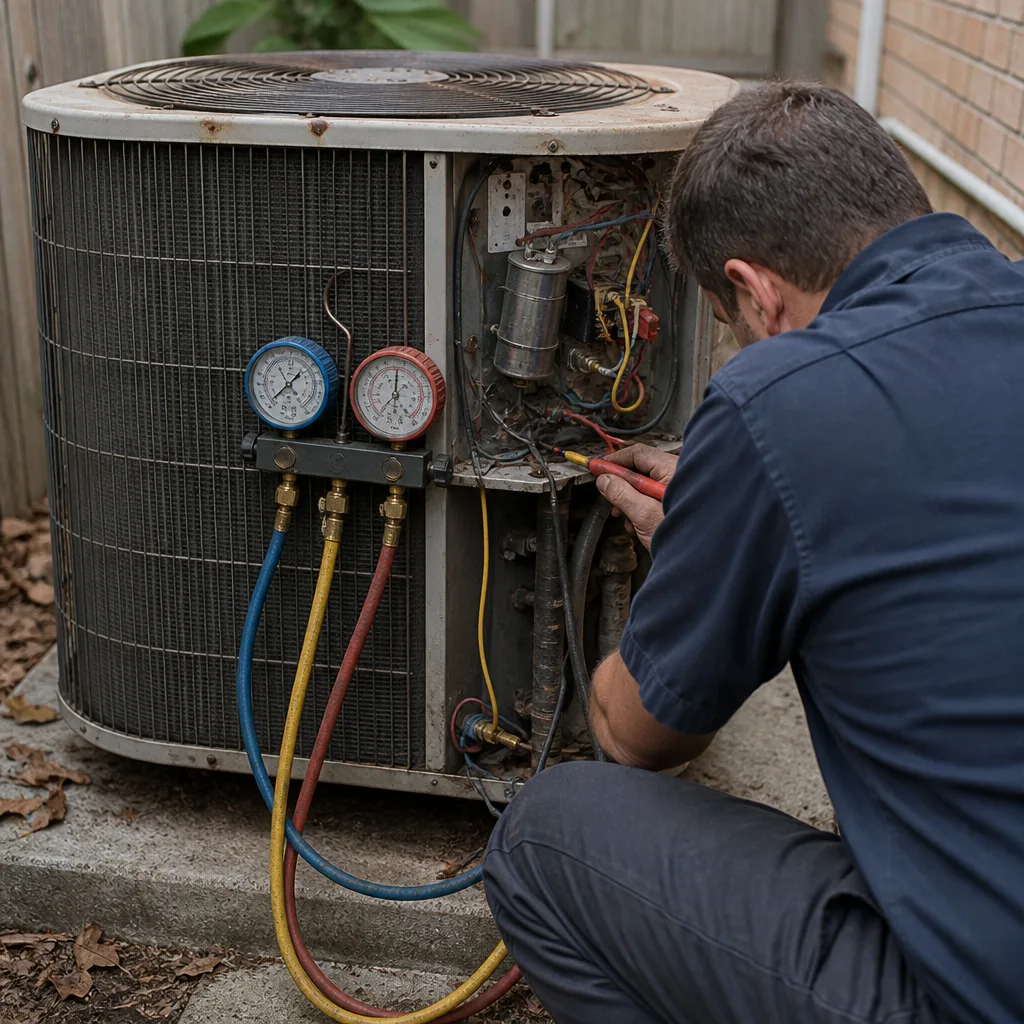 Before
 After
After Before
 After
After Before
 After
After