
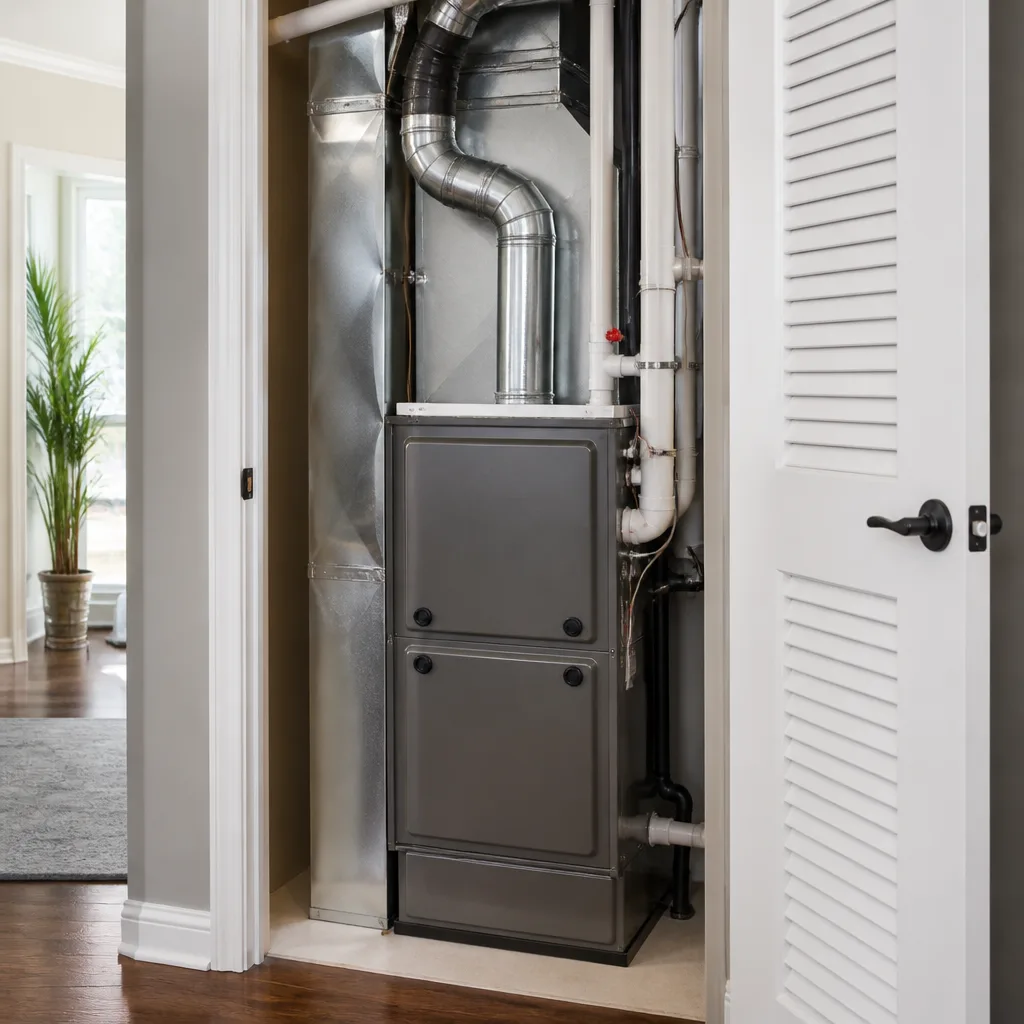
 Furnace & heating
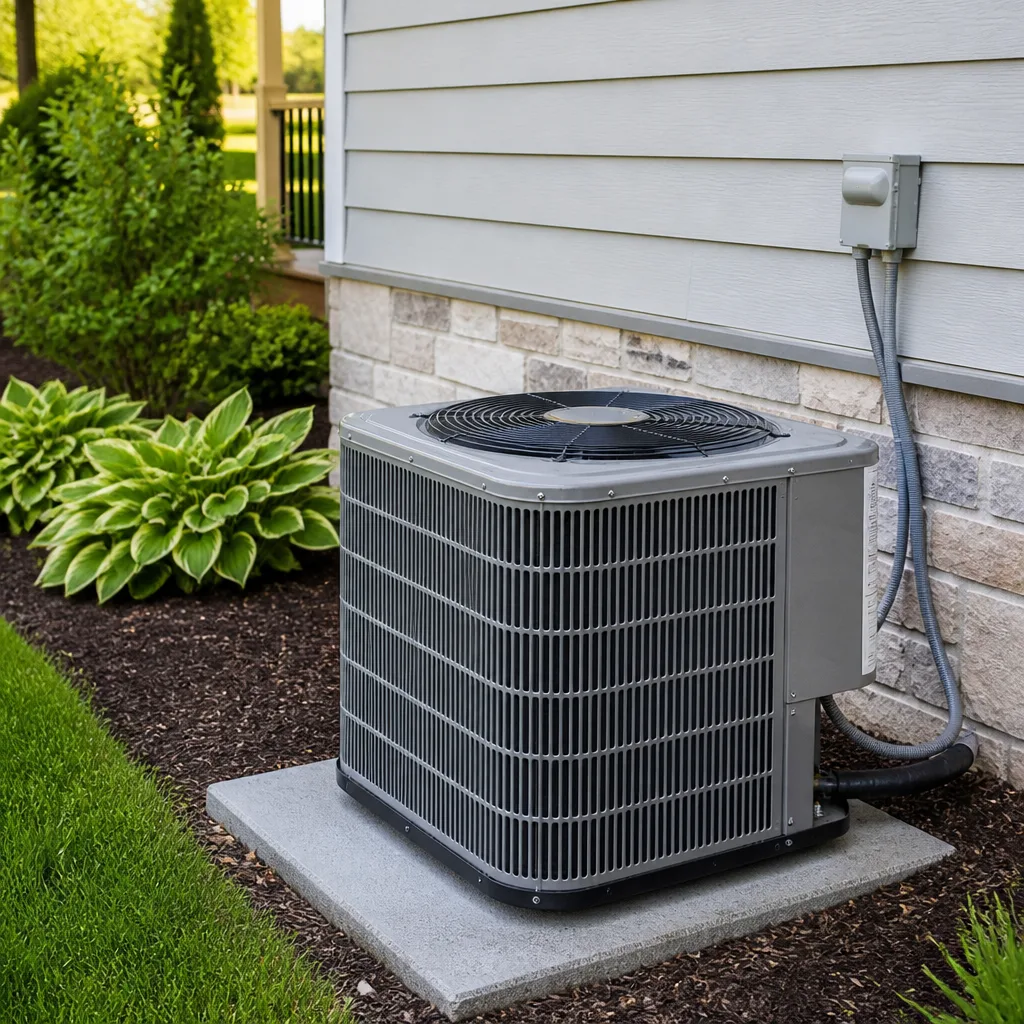 AC repair
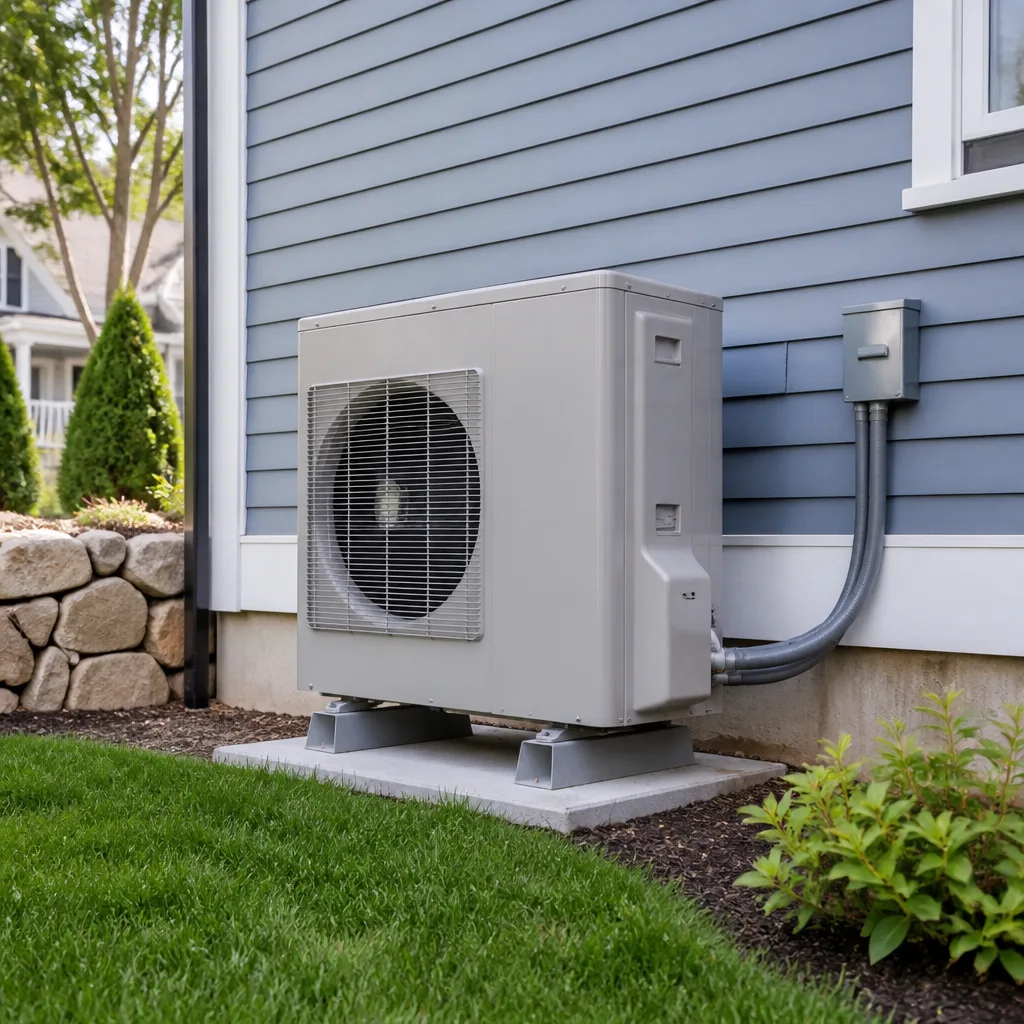 Heat pumps
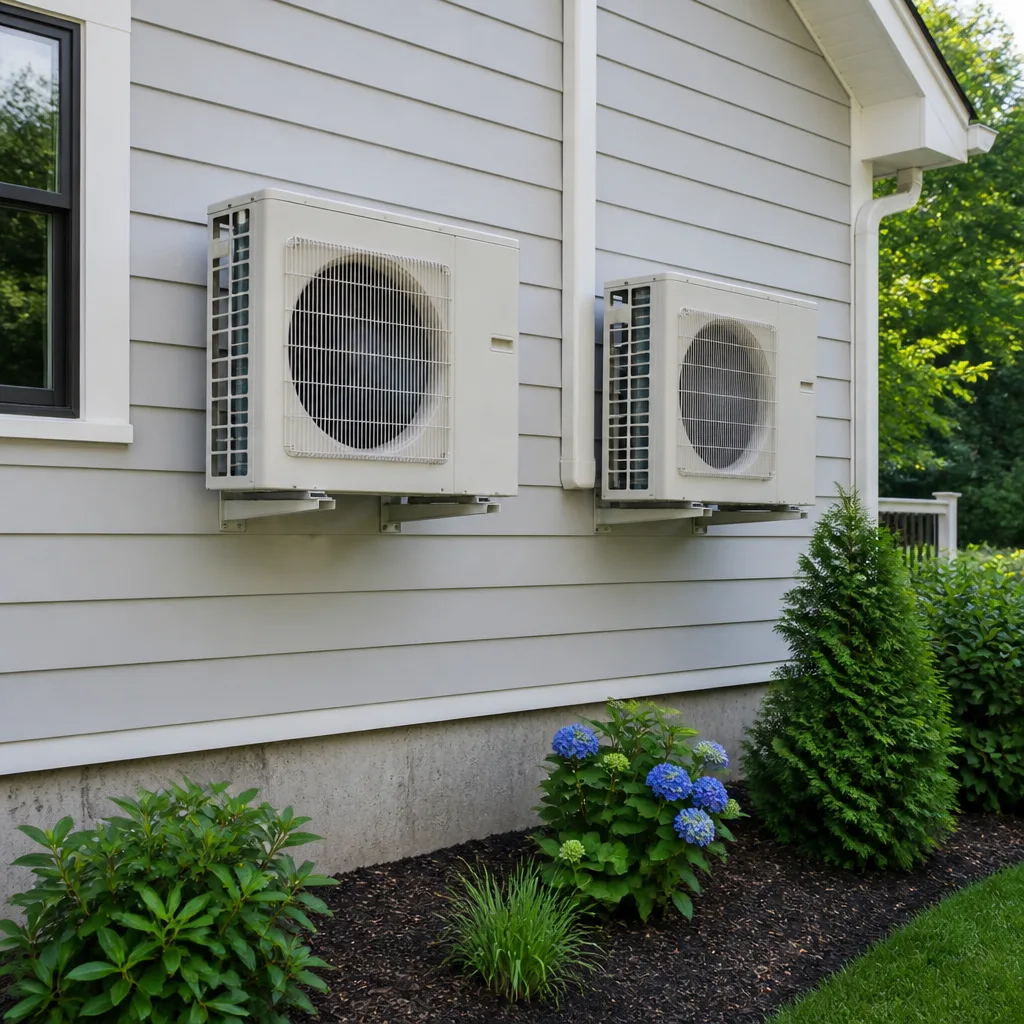 Ductless mini splits
 Carrier
 Trane
Trane Goodman
Seasonal tune-up and full diagnostic on your Carrier, Trane, or Goodman system - readings shown to you before any repair is proposed
Diagnosis first, numbers second - you approve the repair price before a single part goes in.
Get your free estimateRheem Capacitor Replacement: The Fort Worth Owner’s Guide
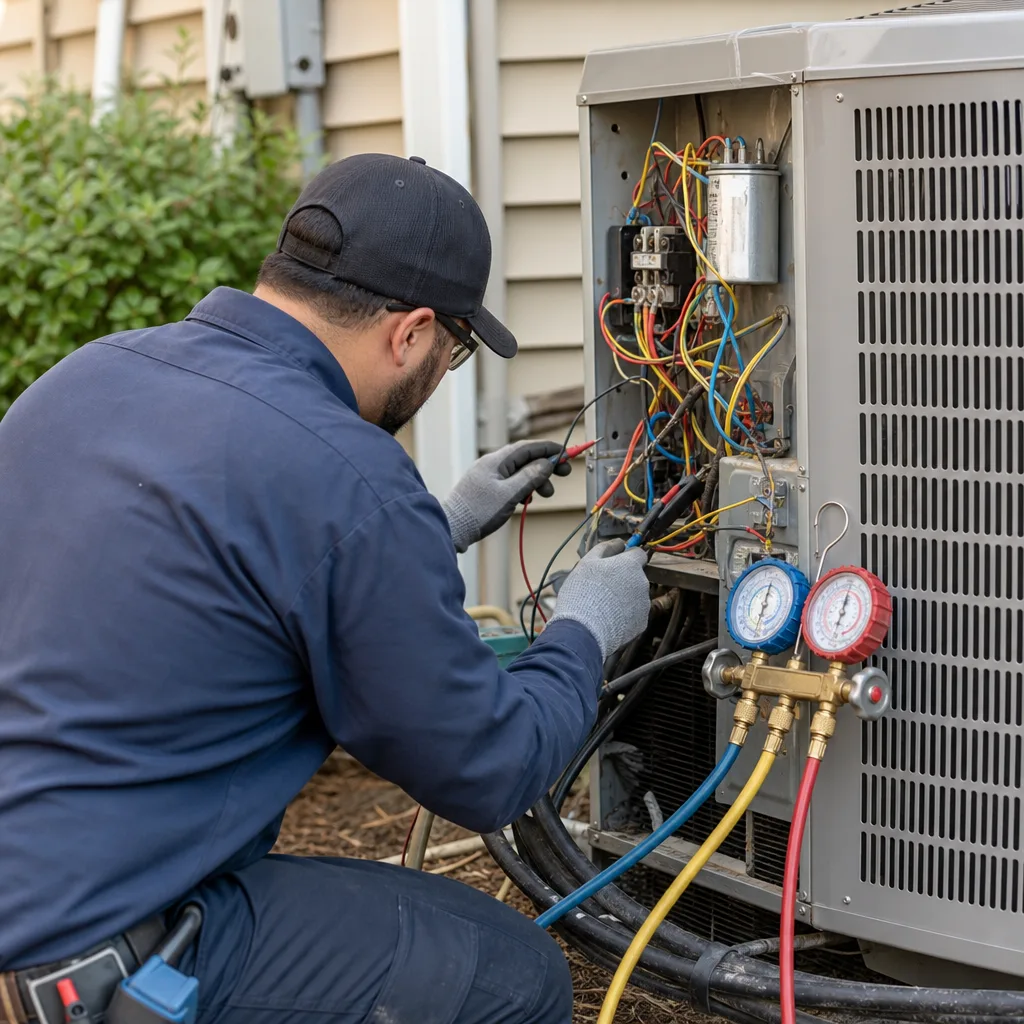
A Rheem capacitor replacement in Fort Worth typically costs between $150 and $350 installed, depending on the capacitor’s rating and whether it’s a single or dual-run unit. We stock the most common Rheem-compatible capacitors on our trucks, so we can usually complete the swap the same day you call. The most frequent way Fort Worth homeowners discover a failed capacitor is when the outdoor condenser hums but the fan won’t spin, or the compressor clicks and won’t start on a hot afternoon.
Luis Serrano has walked through enough Fort Worth backyards to know exactly what that hum sounds like. It’s a capacitor that can’t release its stored charge quickly enough to get the motor turning. The fix is straightforward when you have the right part on hand, which is why we keep Rheem-spec capacitors stocked for the models we most often see in Tarrant County homes. Tell us what the system is doing, and we’ll tell you exactly what it needs, nothing more.
Which Rheem Models This Applies To
Most Rheem residential condensers and heat pumps built in the last 15 to 20 years use a dual-run capacitor rated between 35/5 and 70/10 microfarads (µF), with voltage ratings of 370 or 440 VAC. The model families we replace capacitors in most often across Fort Worth include the Rheem Classic Series, Prestige Series, and the Rheem/Ruud RA14, RA16, and RP14 heat pump lines. If you have a Rheem Achiever or a newer Endeavor Line unit, the same capacitor logic applies.
The critical compatibility gotcha with Rheem is matching two numbers, not one. The microfarad (µF) rating and the voltage rating must both match or exceed the original. A capacitor labeled 45/5 µF at 370 VAC is not interchangeable with a 45/5 µF at 440 VAC in every situation, and installing a lower voltage rating than the original is a fast path to a swollen capacitor within a season. We also watch for the physical diameter: Rheem condenser cabinets have specific mounting brackets, and an aftermarket capacitor that’s slightly wider won’t seat properly against the bracket. We read the faded label on the old capacitor before we quote, because guessing at a µF rating is how compressors get damaged.
When it comes to OEM versus aftermarket, our honest position is this: Rheem-branded capacitors are quality parts, but the major aftermarket brands we carry, like Titan HD and AmRad, often use thicker dielectric film and higher temperature ratings that hold up better through Fort Worth summers. AmRad’s Turbo 200 series, for example, is a universal capacitor we use on Rheem systems regularly because it’s rated for 60,000 hours of service and handles the 100-plus degree attic-adjacent heat we see in July. We’ll show you both options and the price difference before any work begins.
Styles & brands we work with
Signs Your Rheem Capacitor Replacement Is Failing
Capacitors usually fail in stages, and Fort Worth’s heat accelerates every stage. Here’s what we hear on the phone and what each symptom points to:
- The condenser hums but the fan doesn’t spin. This is the classic dead-capacitor sound. The motor can’t get the starting torque it needs, and that hum is the motor drawing current while sitting stalled. Left too long, the motor itself burns out.
- The air conditioner starts, runs for a few minutes, then shuts off. A weak capacitor can’t maintain the phase shift the compressor needs, so the compressor overheats and trips its internal thermal overload. It cools down, tries again, and the cycle repeats all afternoon.
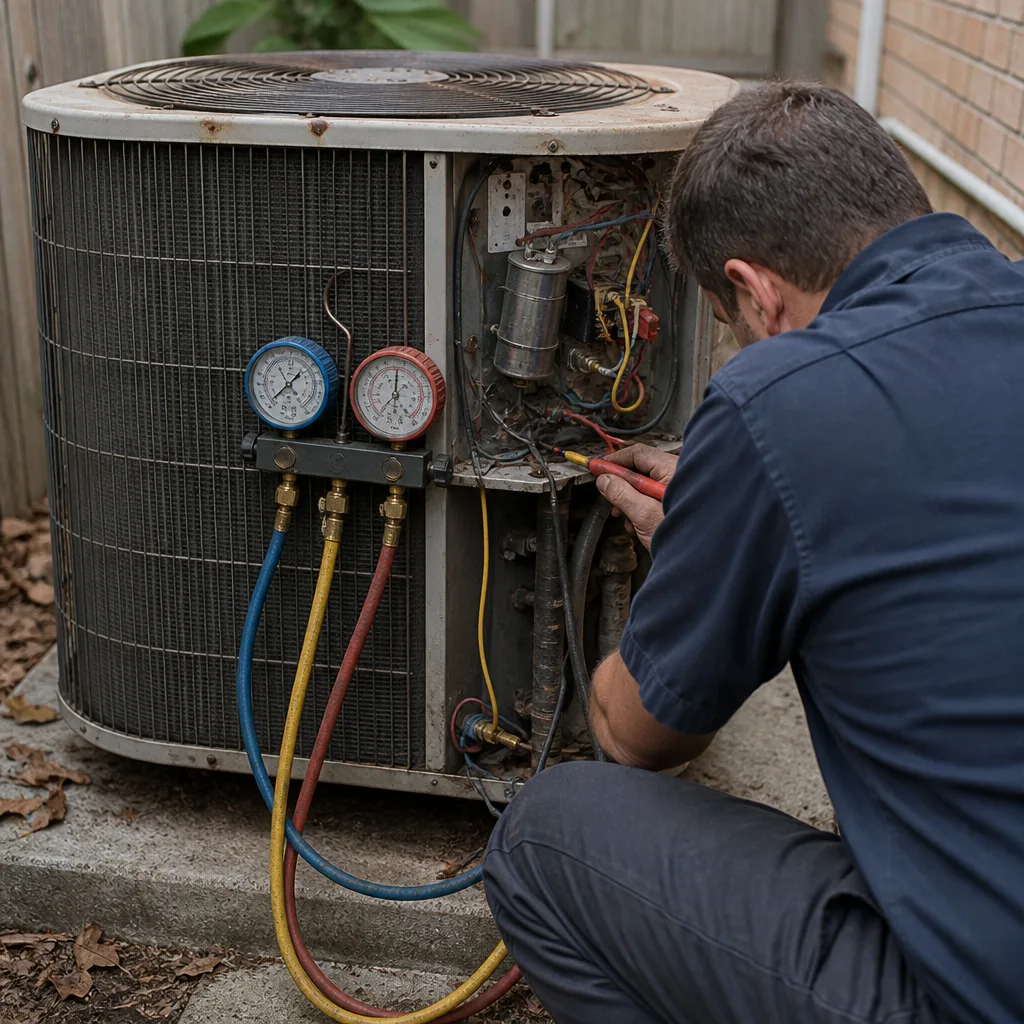
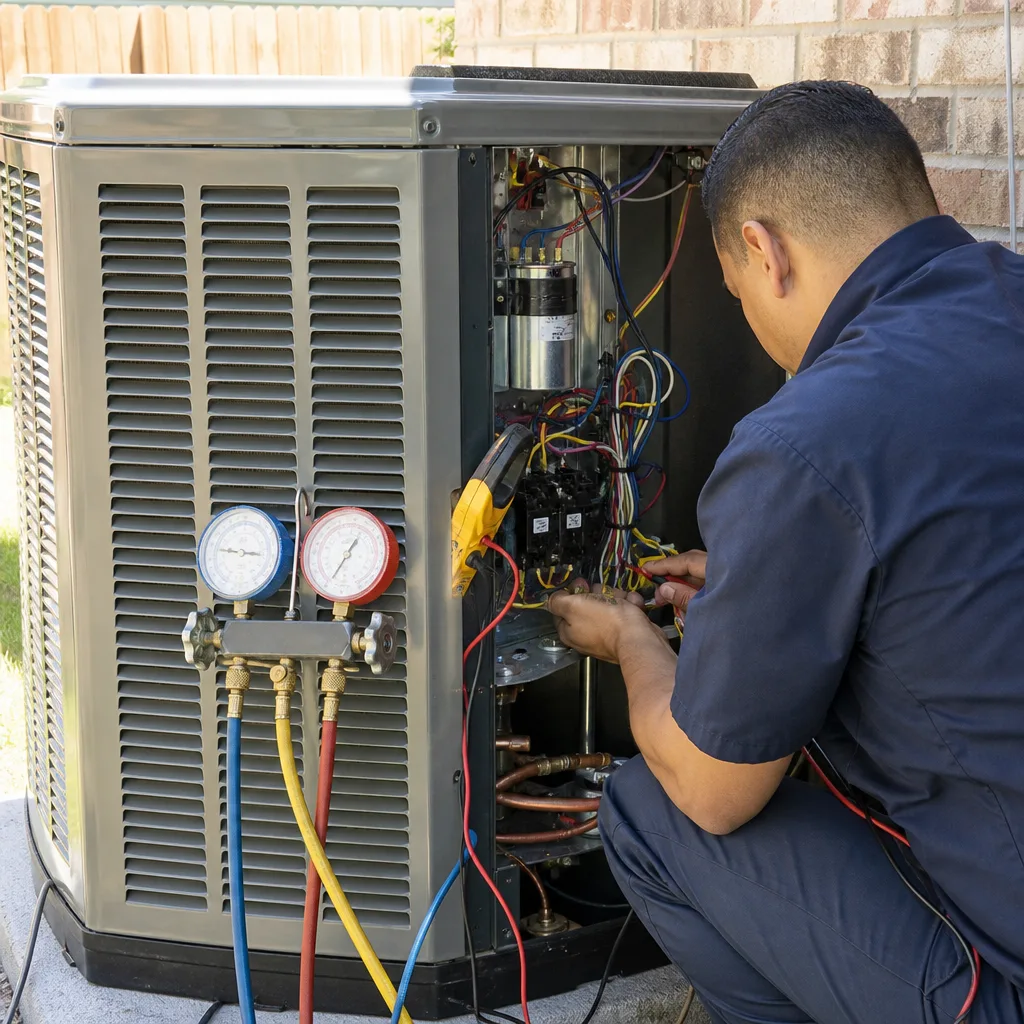
- You see a capacitor that looks swollen, domed, or leaking oil. Inside the metal can is a roll of film soaked in dielectric fluid. When Texas heat degrades it, the fluid expands and bulges the case. This one’s visible without touching anything.
- The compressor clicks but doesn’t start, or takes a long time to kick on. That click is the relay engaging, but the compressor isn’t getting the start assist it needs from the capacitor. On Rheem scroll compressors, this is often the first warning before a hard-start kit becomes necessary.
- Your energy bill climbs while cooling performance drops. A capacitor drifting out of spec makes both motors work inefficiently. The system runs longer to hit the same temperature, and you’re paying for every extra minute.
See the difference
 Before
 After
After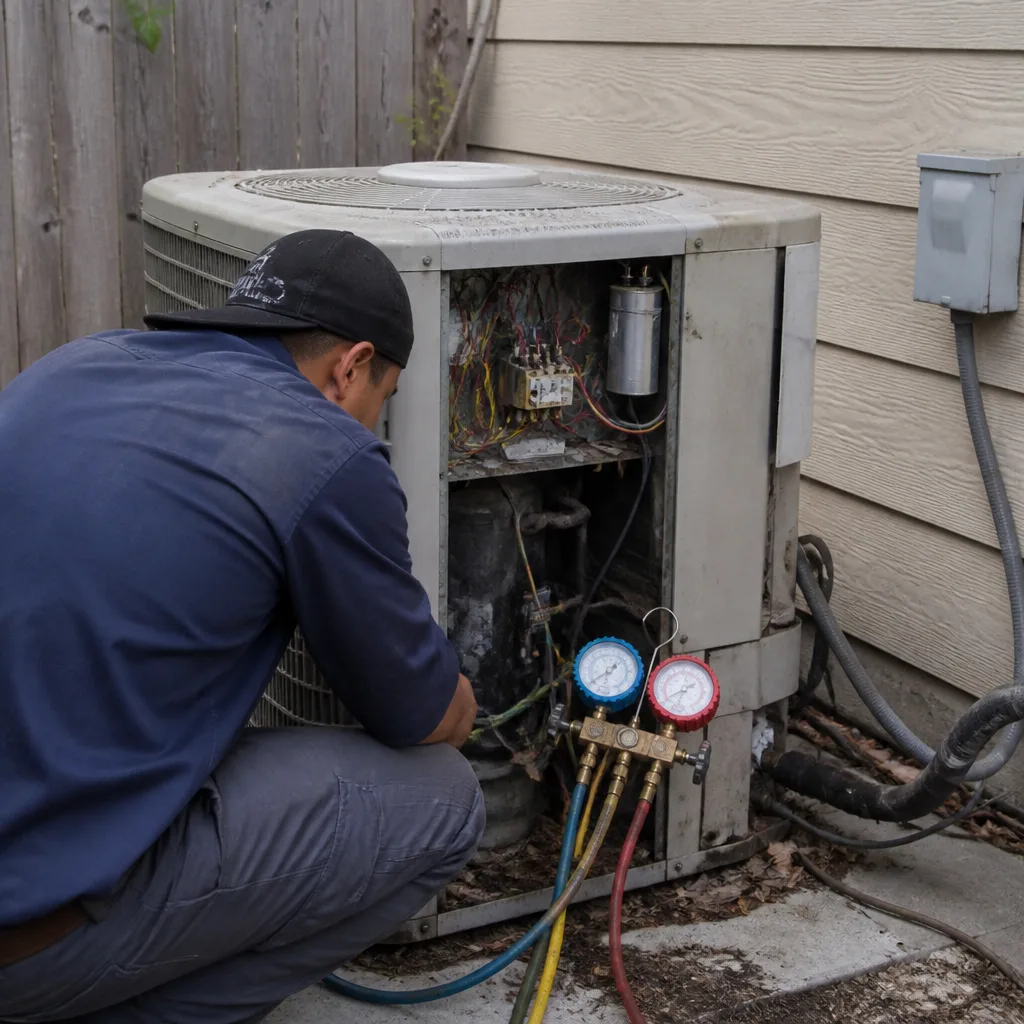 Before
 After
After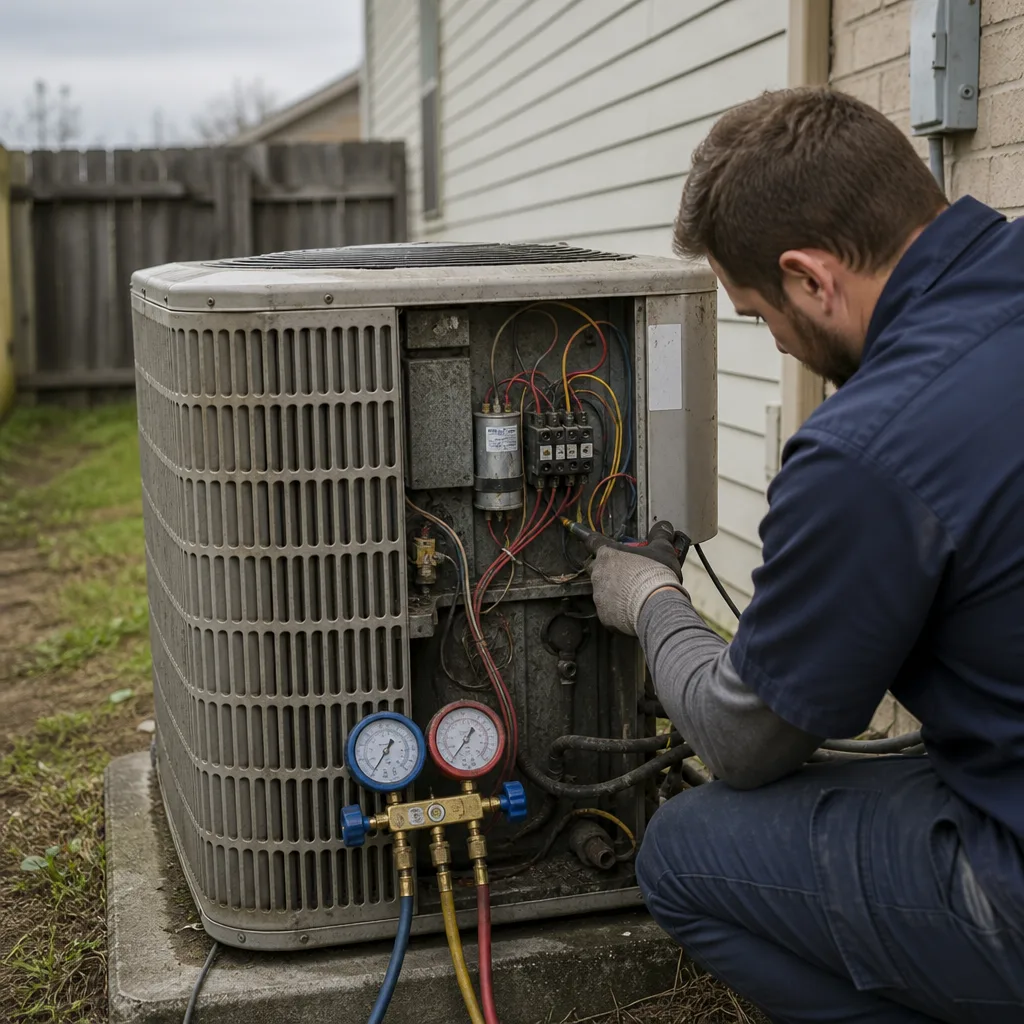 Before
 After
AfterReplacement Cost & What’s Included
For Fort Worth homeowners, Rheem capacitor replacement runs $150 to $350 installed. The lower end covers a standard single-run capacitor swap. The higher end reflects a dual-run capacitor, a higher voltage rating, or a universal replacement like the AmRad Turbo 200. Within the broader AC repair range we quote in Tarrant County, which runs $150 to $650 depending on what’s actually failed, a capacitor replacement is one of the more affordable fixes.
Here’s what that price includes with us:
- Written price before any work starts. We bring the capacitor to the condenser, check the label on the old part, and hand you a number. You approve it before we touch anything.
- The part and labor together. We don’t split line items to hide margins. The price you approve covers the capacitor, the install, and the testing.
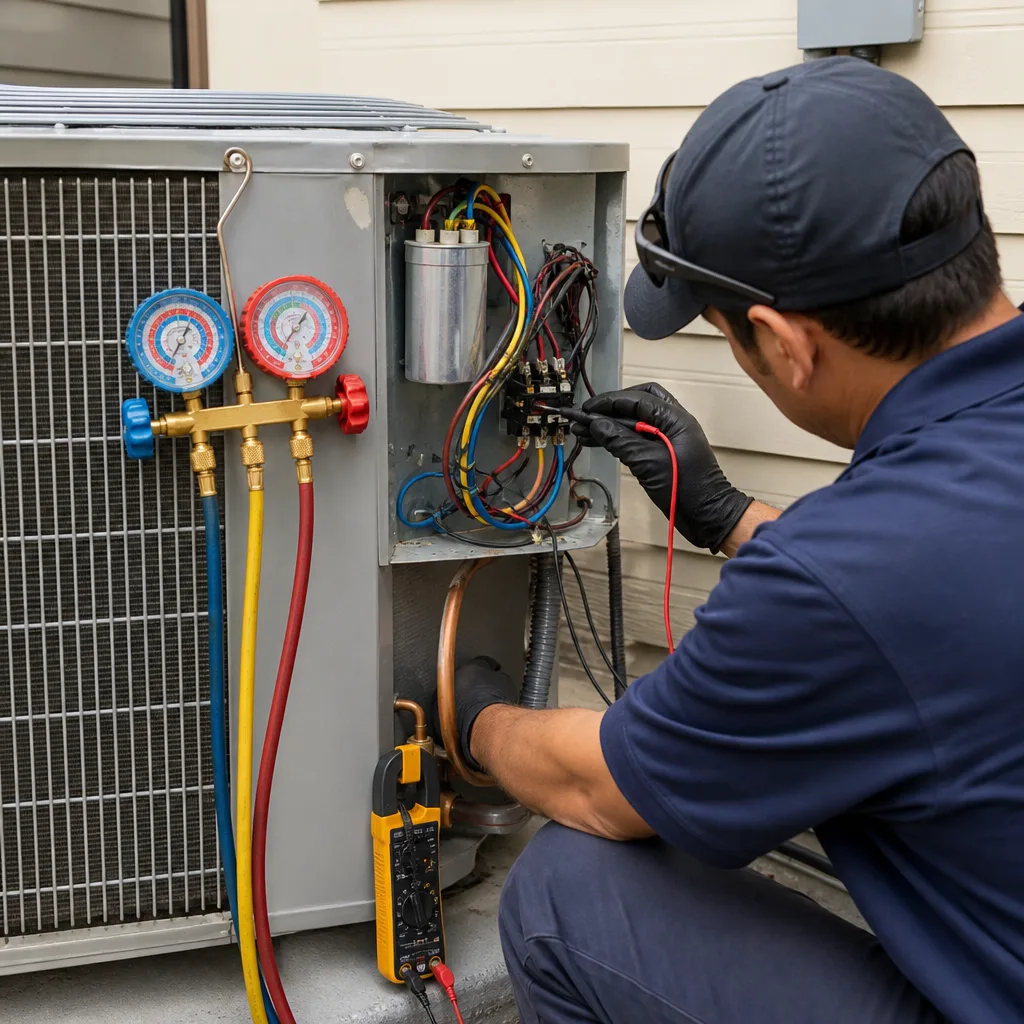
- Testing after the swap. We verify the motor draws the right amps, the system starts smoothly, and the capacitor’s microfarad reading is within spec after install.
- 365-Day Done Right Promise. If that capacitor fails within a year, we replace it and stand behind the labor. No runaround, no fine print.
- The Cedarwell Care Promise on every visit. Shoe covers at the door, drop cloths laid anywhere we walk inside, and a photo of the clean-up sent before the crew pulls out of your driveway.
Notably, a capacitor replacement for an AC repair in Fort Worth stays on the lower end of typical repair costs. We also service Carrier, Trane, and Lennox equipment for the same part, so if you have a mixed-brand home, one call covers it.
DIY or Call Us?
A capacitor stores a lethal electrical charge even with the power off. We will not walk you through a discharge procedure, because doing it wrong is how people end up in an emergency room or with a burned hand. That’s not a scare tactic. It’s the same warning we give our own apprentices on their first capacitor job. The metal terminals on top of a capacitor can hold 370 volts or more after the breaker is off, and touching them without properly draining the charge is dangerous.
What you can safely do is inspect. Look at the capacitor through the condenser’s access panel without removing anything. If it looks swollen, domed, or has oil residue, you’ve found the problem. Note the model number on the condenser’s data plate, usually on the side or back of the unit. That helps us bring the right part. Then call us at (682) 610-2888. We’ll have a capacitor on the truck, and a real person answers that number around the clock, not a voicemail queue.
FAQs
A Rheem capacitor in Fort Worth typically lasts 5 to 10 years, but our Texas summers can shorten that to 3 years on systems that run constantly through July and August. Heat is the primary killer of the dielectric film inside, and Fort Worth delivers sustained attic temps above 120°F, which ages capacitors faster than the national average. Call (682) 610-2888 if your system is 5-plus years old and starting hard.
No. A capacitor is a sealed component, and once the dielectric film inside degrades or the case bulges, there’s no safe or practical way to repair it. Replacement is the industry-standard fix and the only one we’ll recommend. The good news is it’s one of the least expensive AC repairs in Fort Worth.
Most Rheem capacitor replacements take 30 to 60 minutes from arrival to testing, including the time to verify the new part’s microfarad reading and confirm both motors start correctly. We also factor in a few minutes for shoe covers, drop cloths, and showing you the clean-up afterward.
Yes. We carry the most common Rheem dual-run and single-run capacitor ratings on every truck serving the Fort Worth area, including universal options rated for high-temperature service. If your system needs a less common rating, we can usually source it same-day from a local supply house.
Written by Luis Serrano, Owner, Meadowsweet Heating and Air Fort Worth at Meadowsweet Heating and Air Fort Worth, serving Fort Worth and nearby areas.