
 Furnace & heating
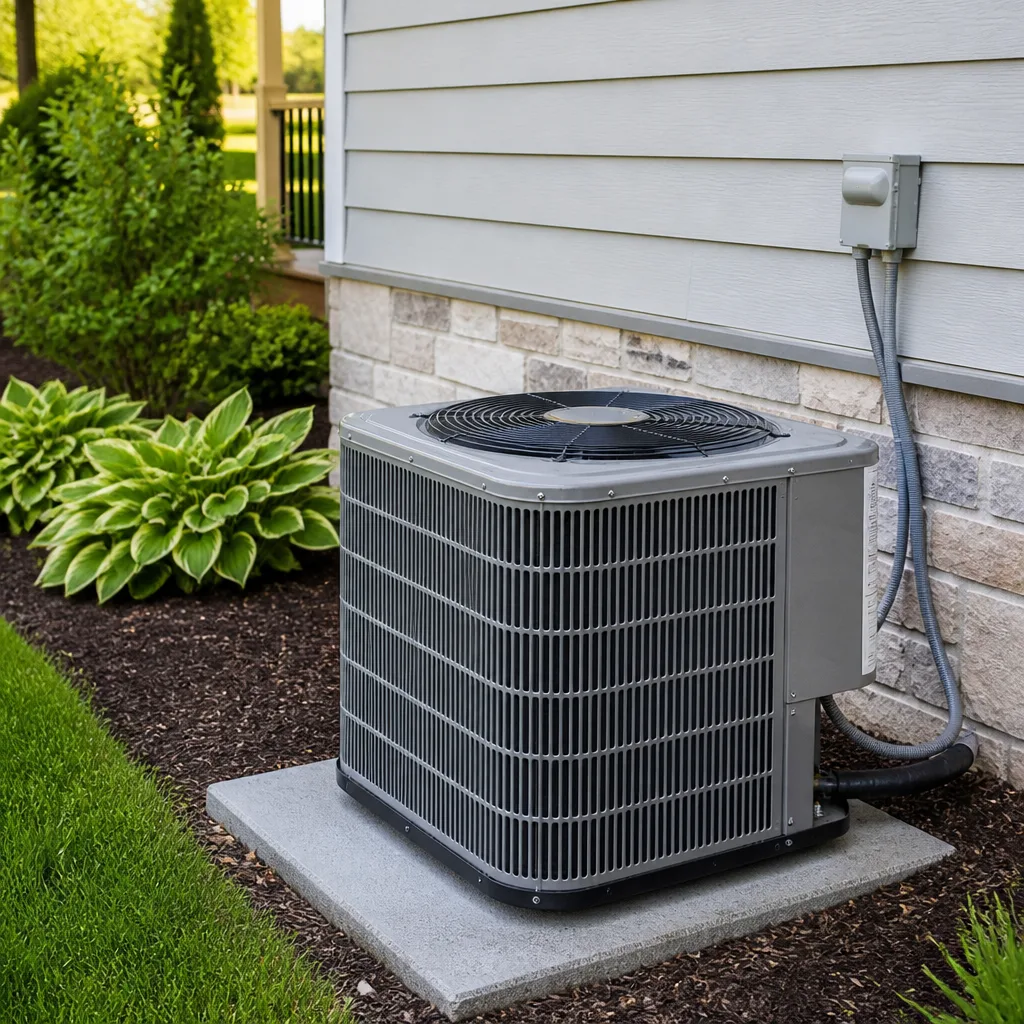 AC repair
 Heat pumps
 Ductless mini splits
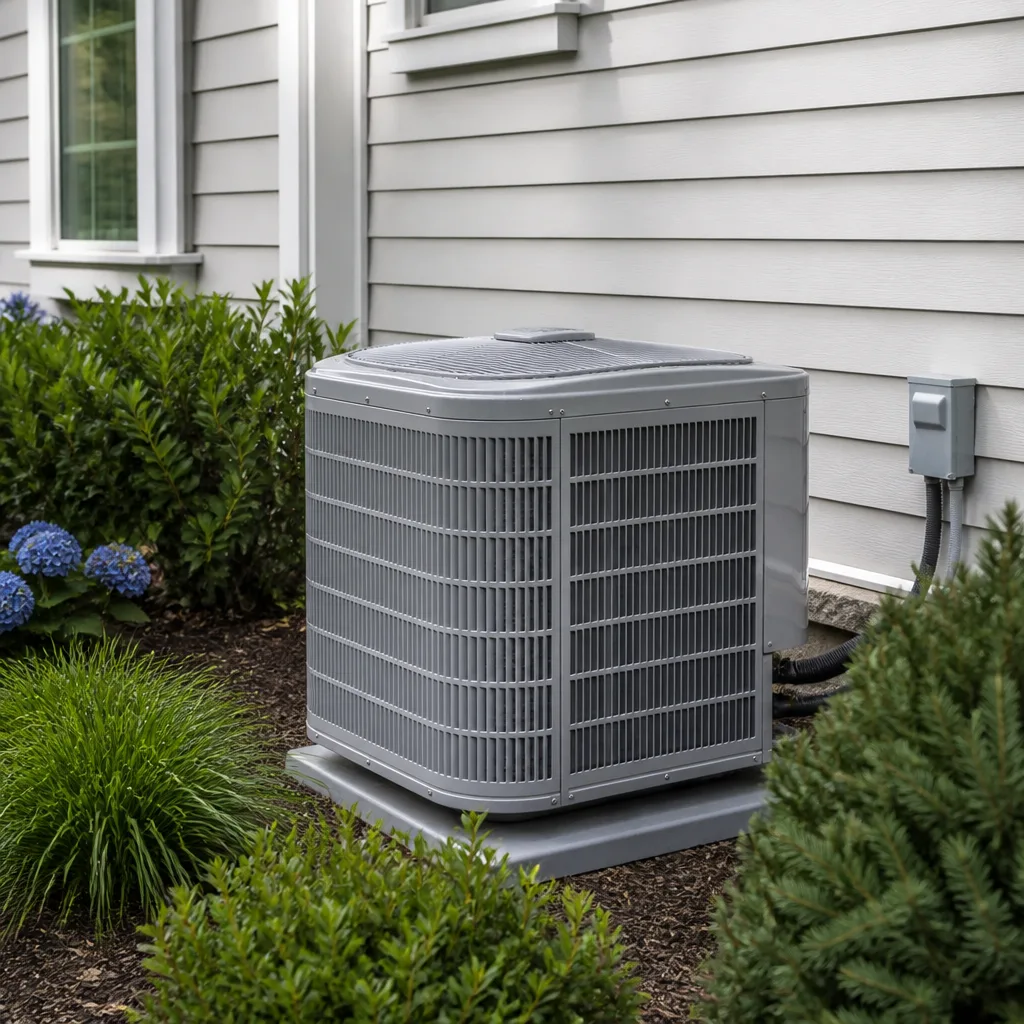 Carrier
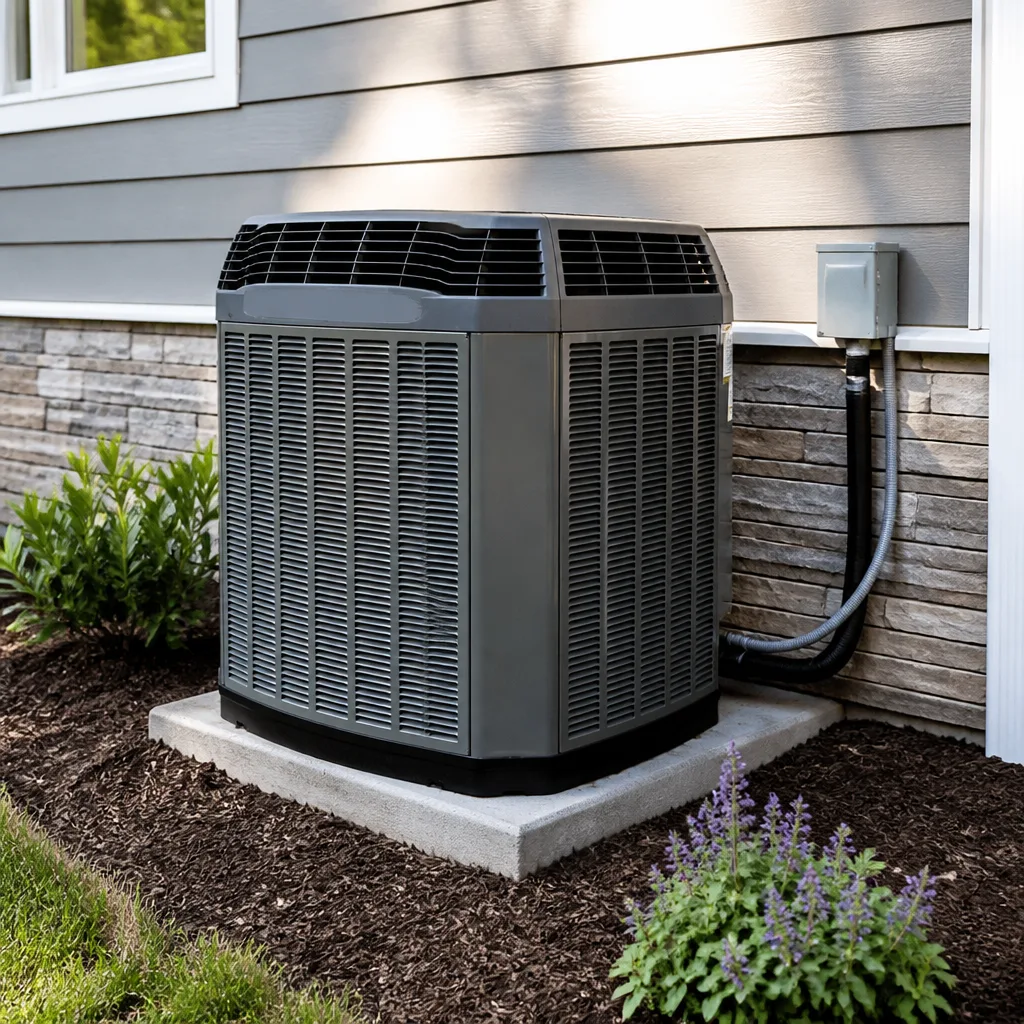 Trane
Trane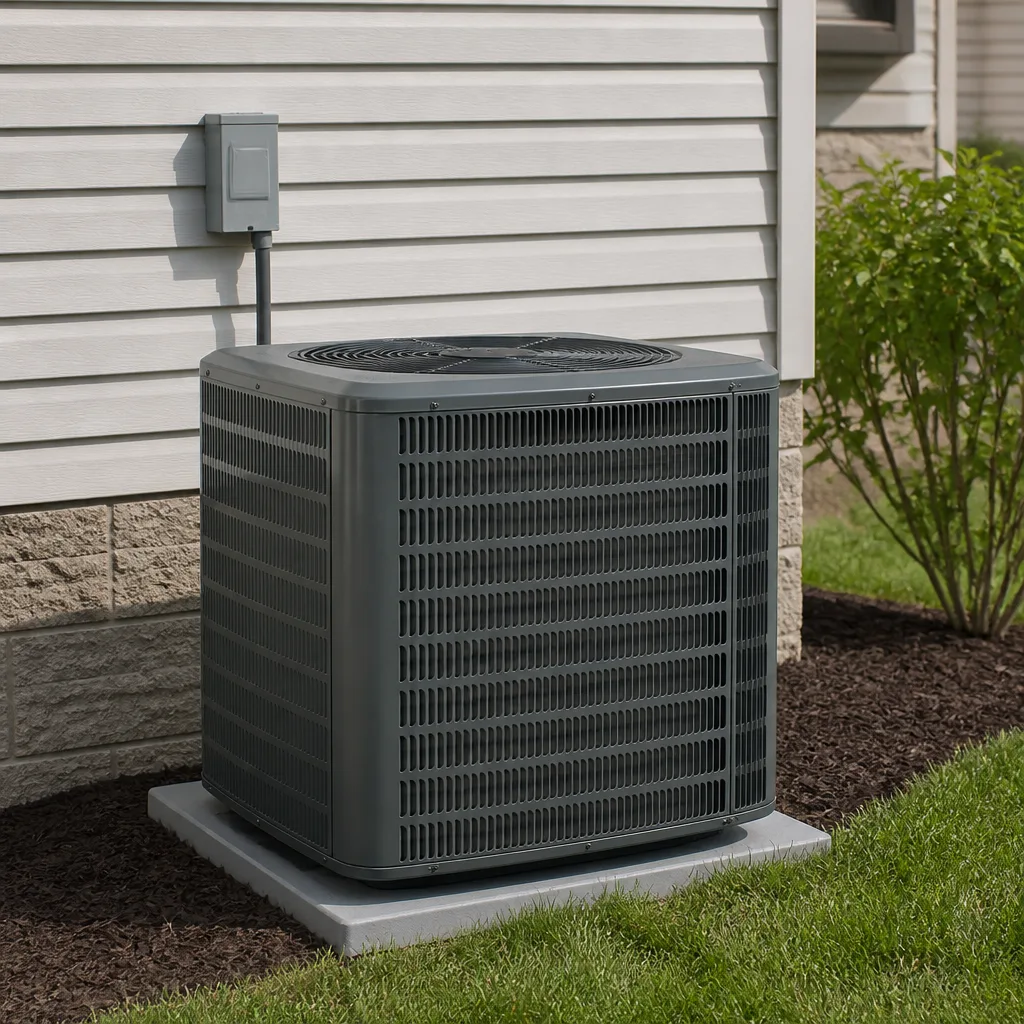 Goodman
Seasonal tune-up and full diagnostic on your Carrier, Trane, or Goodman system - readings shown to you before any repair is proposed
Diagnosis first, numbers second - you approve the repair price before a single part goes in.
Get your free estimateLennox Capacitor Replacement: The Fort Worth Owner’s Guide
Most Lennox capacitor replacements in Fort Worth run between $150 and $400 installed, depending on whether you have a single or dual capacitor and which Lennox series you own. We stock common Lennox-compatible capacitors on our trucks, so in many Fort Worth neighborhoods we can complete the swap the same day you call. The way most homeowners discover this part has failed: the outdoor unit hums but the fan won’t spin, or the compressor clicks and gives up after a few seconds. That’s the capacitor telling you it’s done.
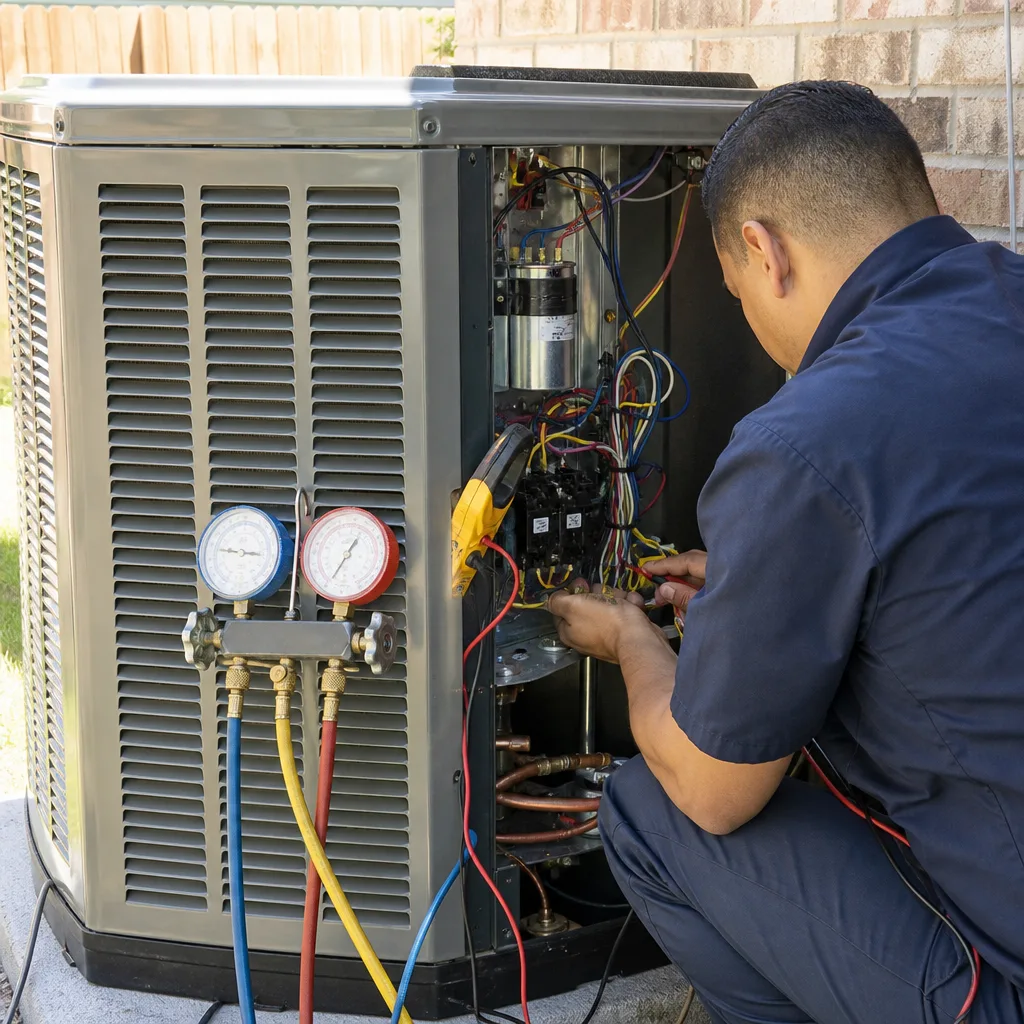
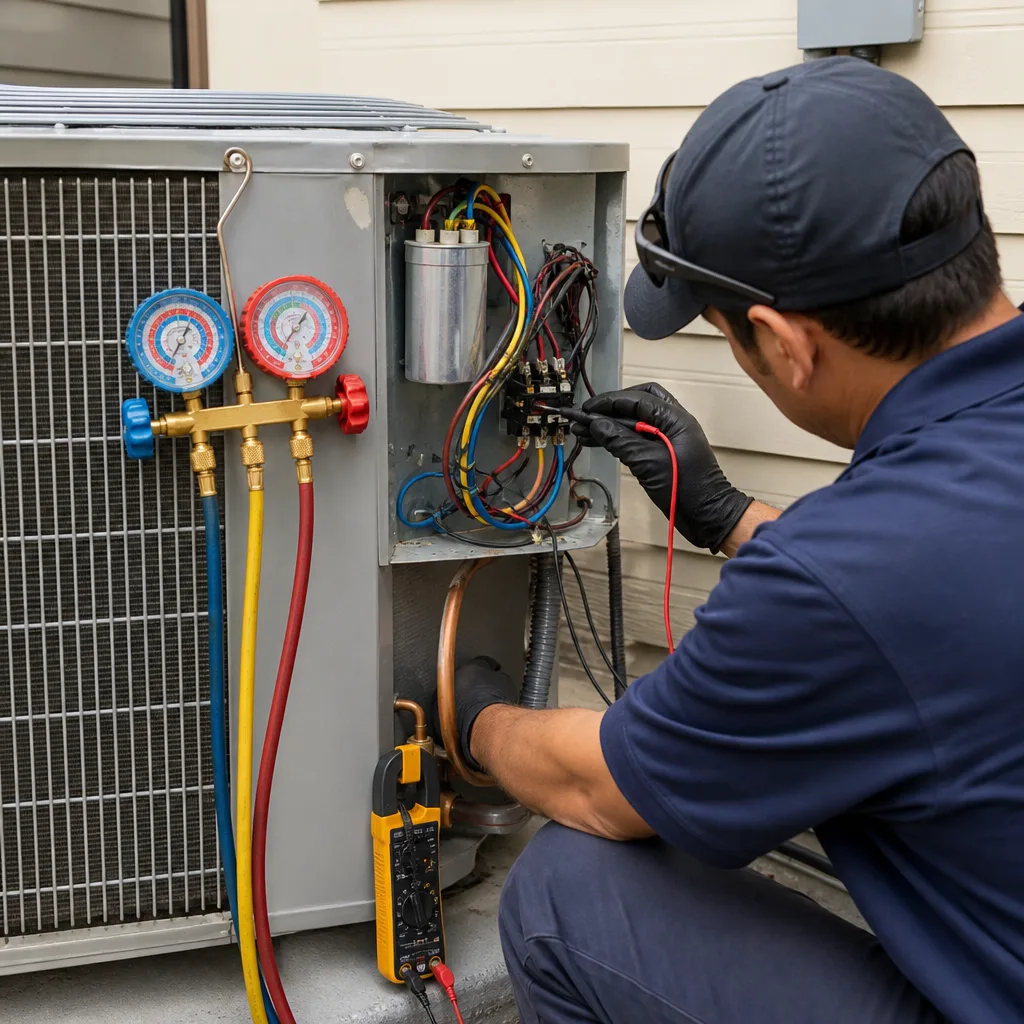
A capacitor is a small cylinder inside your condenser that stores the electrical jolt needed to start the fan motor and compressor. In Fort Worth summers, this part works brutally hard. When it fails, your Lennox system either won’t start at all or struggles to turn over, often right when you need it most.
Which Lennox Models This Applies To
Lennox has used round and oval capacitors across nearly every residential condenser line built in the last 25 years. That includes the Merit series (like the 13ACX and 14ACX), the Elite series (XC13, XC14, XC16), and the higher-end Signature series (XC21, XC25). If your Lennox condenser sits outside your Fort Worth home, there’s a very good chance it has at least one capacitor.
The compatibility gotcha most people miss: Lennox systems built after roughly 2010 often use a dual-run capacitor, which is one cylinder that serves both the compressor and the fan motor. Older units, and some lower-tier models, use two separate single capacitors. They look similar, but swapping one for the other isn’t an option. The label on the side of the capacitor lists three values: microfarads (µF) and voltage. A dual capacitor will show two µF ratings, like 45/5 µF at 440 VAC. A single shows just one. Matching those numbers exactly is what keeps your compressor from working harder than it should.
We stock OEM Lennox capacitors and quality aftermarket equivalents from manufacturers like AmRad and Titan HD. The aftermarket options in the same spec range frequently use a thicker metal casing that shrugs off the heat inside a Fort Worth condenser better than some factory originals. We’ll install whichever you prefer and show you the part before it goes in.
Styles & brands we work with
Signs Your Lennox Capacitor Replacement Is Failing
- The condenser hums but the fan won’t move. You’ll hear a low electrical hum from the outdoor unit. The capacitor can’t deliver the start-up charge, so the fan motor just sits there. This is the most common failure mode we see in Fort Worth, especially after a heat wave pushes the capacitor past its limits.
- The compressor short-cycles. The unit starts, runs for 30 seconds, then shuts off, then tries again. A weakened capacitor gives the compressor just enough to kick on but not enough to stay running. That repeated starting and stopping is hard on your compressor long-term.
- The top of the capacitor is bulging or leaking. Capacitors are sealed cylinders. Heat and age build internal pressure, and the top will dome outward or weep a small amount of oil. If you peek inside the panel and see a bulge, it’s done.
- Your energy bill creeps up while cooling drops. A failing capacitor forces the motor to pull more current to do the same work. You won’t feel it day to day, but over a billing cycle the numbers tell the story.
- The unit won’t start at all. At this point the capacitor has fully failed. The thermostat calls for cooling, the contactor clicks, and nothing happens. This is the point where an emergency call to a Fort Worth tech usually happens, often on a Saturday afternoon in July.
See the difference
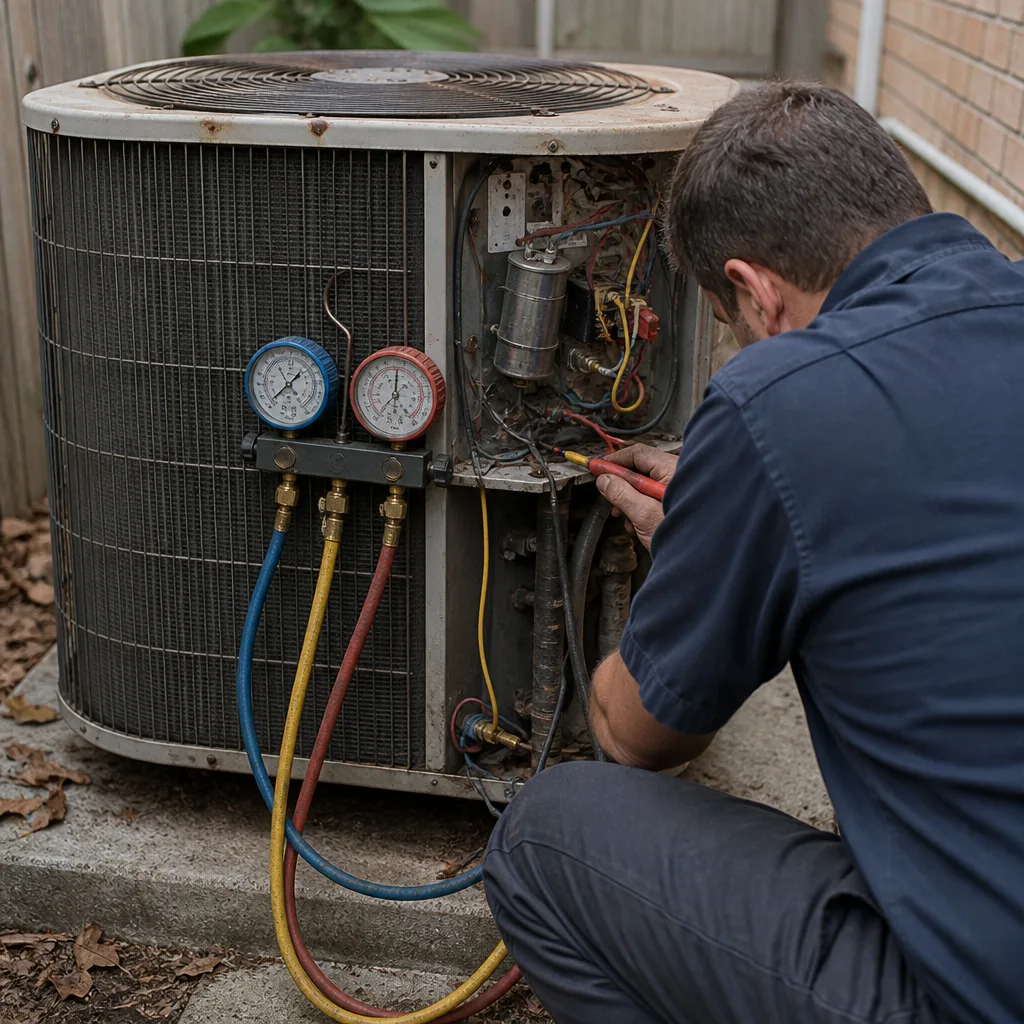 Before
 After
After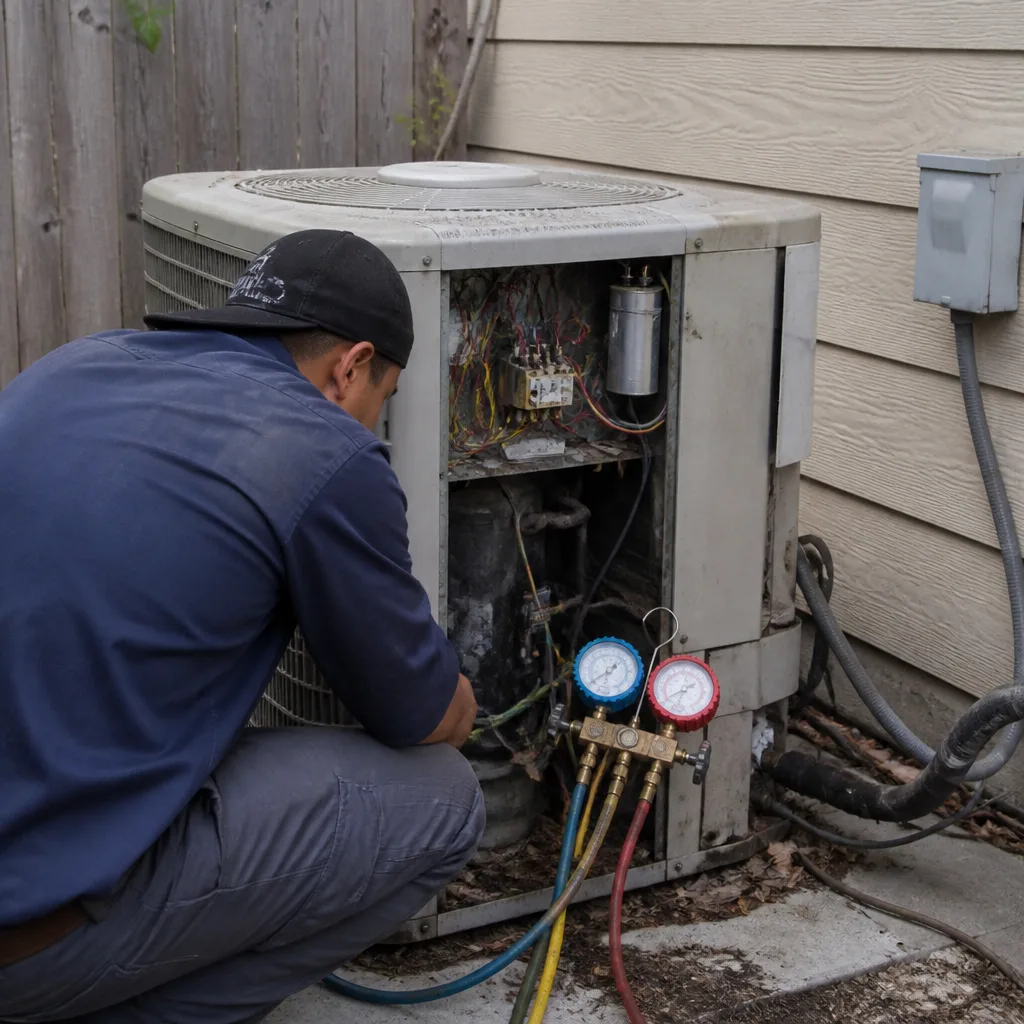 Before
 After
After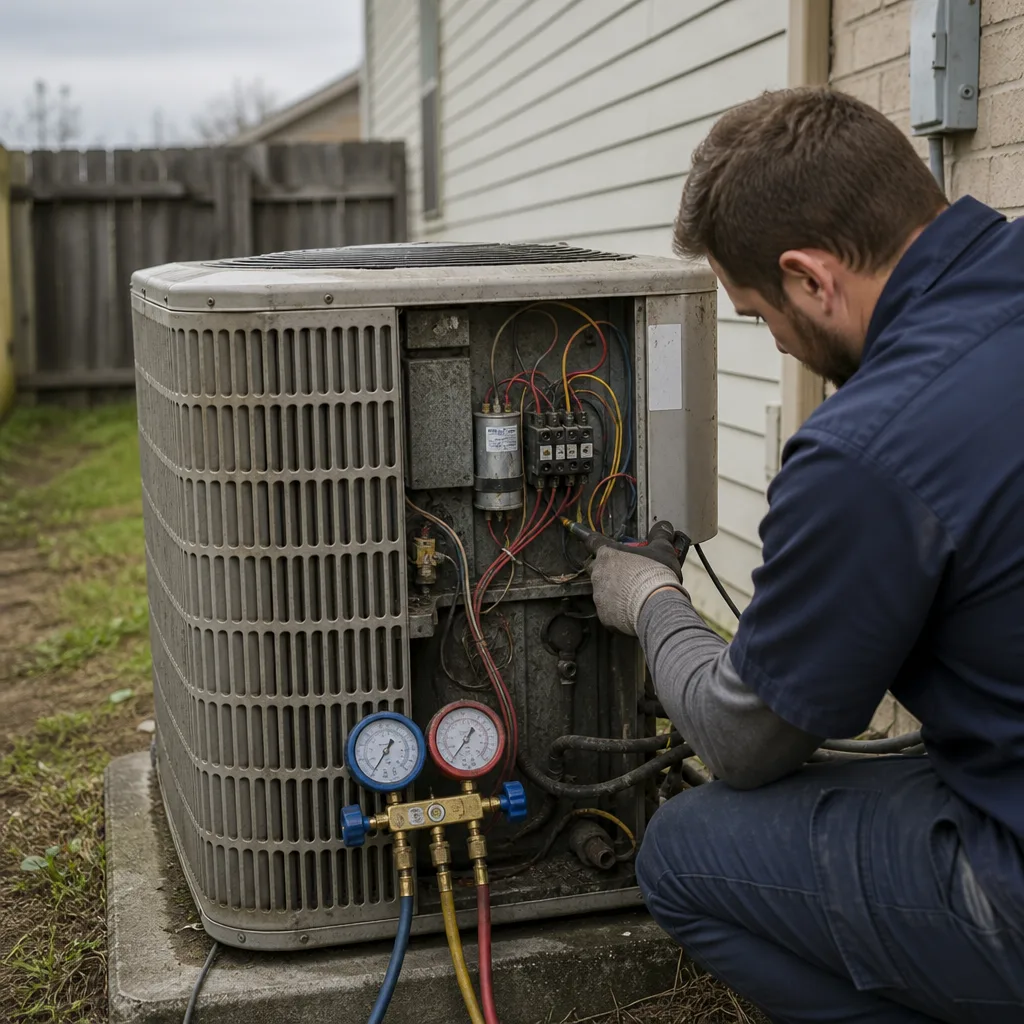 Before
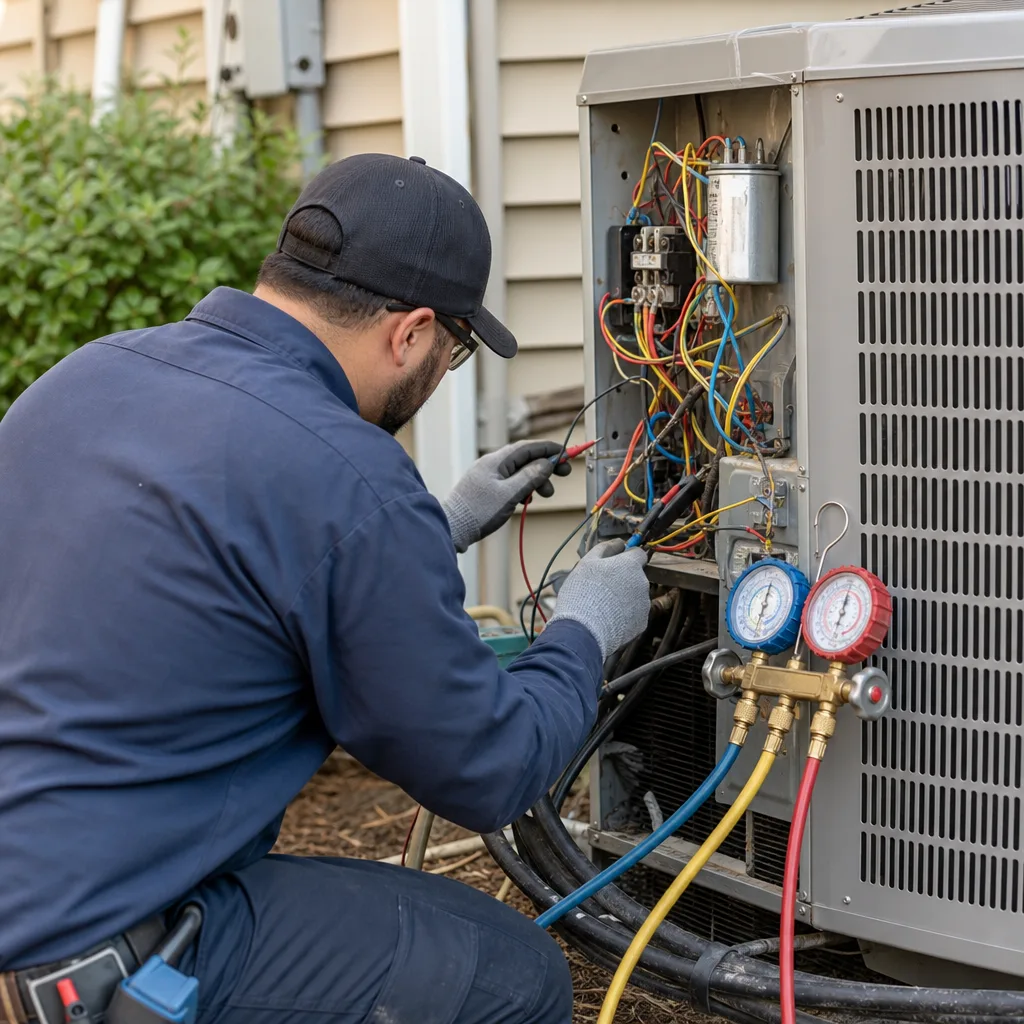 After
AfterReplacement Cost & What’s Included
In Fort Worth, a Lennox capacitor replacement with Meadowsweet Heating and Air runs from $150 to $400 installed for most residential units. The parts cost for a single capacitor usually falls between $25 and $60. The rest is the service call, labor, and the diagnosis that confirms the capacitor is actually the problem before anything gets removed.
What moves the price within that range comes down to a few things. A dual capacitor costs more than a single. Higher-voltage units (440 VAC versus 370 VAC) cost a little more. If your Lennox is a heat pump with a separate capacitor inside the air handler, the price lands on the upper end. What doesn’t change: you’ll get a written price before we touch a single wire, and the work is covered by our 365-Day Done Right Promise. If it’s not done right, we make it right.
We also keep replacement capacitors for Carrier and Trane systems on our trucks, so if you have a mixed-brand setup or a neighbor with a different unit, we can likely help them the same day too.
DIY or Call Us?
Here’s our honest take. Capacitors store an electrical charge even after the power is off. Touching the terminals the wrong way can deliver a serious shock. For that reason, we don’t recommend replacing one yourself unless you’re comfortable with electrical work and know how to discharge the capacitor safely first. The risk isn’t worth the $60 part savings.
What you can safely do before calling: check that your thermostat is set to cool and the breaker hasn’t tripped. Look at the outside condenser. If you hear the humming we described, that’s enough information to point us toward the capacitor before we even arrive.
If you’d rather have it handled by a licensed, background-checked technician, call (682) 610-2888. Luis Serrano and our team will give you a written price before any work starts, and we’ll leave your Fort Worth home exactly as we found it, shoe covers on, drop cloths down, and a photo of the clean-up before we leave.
FAQs
A Lennox capacitor typically lasts 5 to 10 years in the Fort Worth climate, though a stretch of triple-digit heat can shorten that considerably. Seven years is about the average we see. Heat is the enemy: it breaks down the internal insulation, not cycling frequency, which is why Fort Worth units fail more often than identical systems up north. Want to know if yours is nearing the end? We can test it during a tune-up and show you the reading. Call (682) 610-2888 to schedule a check, and you’ll get a written report with actual numbers, not a vague “looks worn.”
No. A capacitor isn’t a repairable part. Once the dielectric material inside begins to break down or the casing bulges, the only correct fix is a replacement. We don’t rebuild them, and we won’t sell you a “reconditioned” one, because that’s not a real thing. The good news: a replacement is one of the least expensive repairs your Lennox will ever need, and it’s done in under an hour in most cases. Call (682) 610-2888 for a straight answer on what your system actually needs.
A straightforward capacitor swap takes 30 to 60 minutes from the moment our technician opens the electrical panel to the moment the system is running and cooling. If we need to check other components while we’re there, like the contactor or the fan motor, it might stretch to 90 minutes. We carry the most common Lennox-compatible capacitors on the truck, so there’s no waiting for a part shipment in most cases. Call (682) 610-2888 and we’ll tell you if we can be there today.
Yes, we keep the most common Lennox single and dual capacitors in 370 VAC and 440 VAC ratings on our service vehicles, so we can often complete the replacement on the first visit. If your Lennox takes an unusual spec, we can typically have the correct part from a local Fort Worth supply house within a few hours, not days. Call (682) 610-2888 and tell us the model and symptom, and we’ll let you know before we roll whether we’re already carrying what you need.
Written by Luis Serrano, Owner, Meadowsweet Heating and Air Fort Worth at Meadowsweet Heating and Air Fort Worth, serving Fort Worth and nearby areas.