
 Furnace & heating
 AC repair
 Heat pumps
 Ductless mini splits
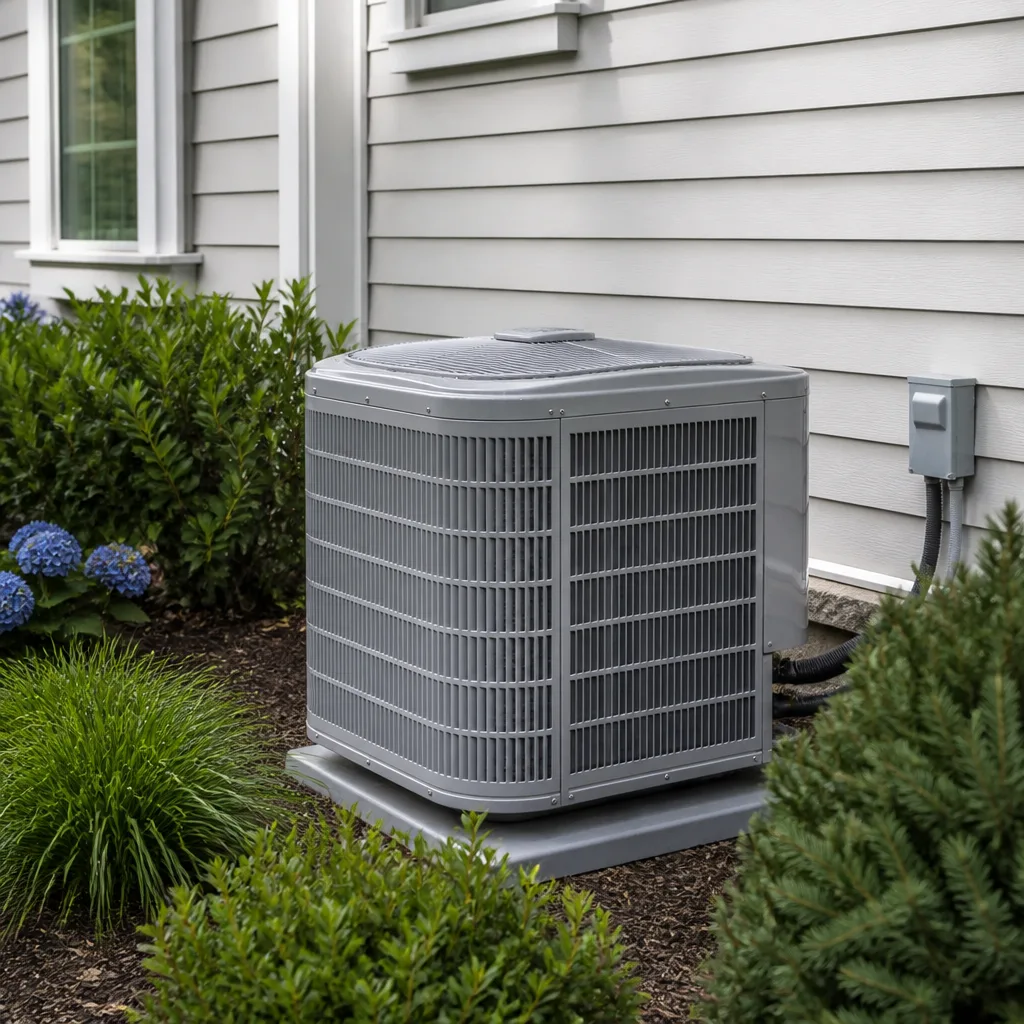 Carrier
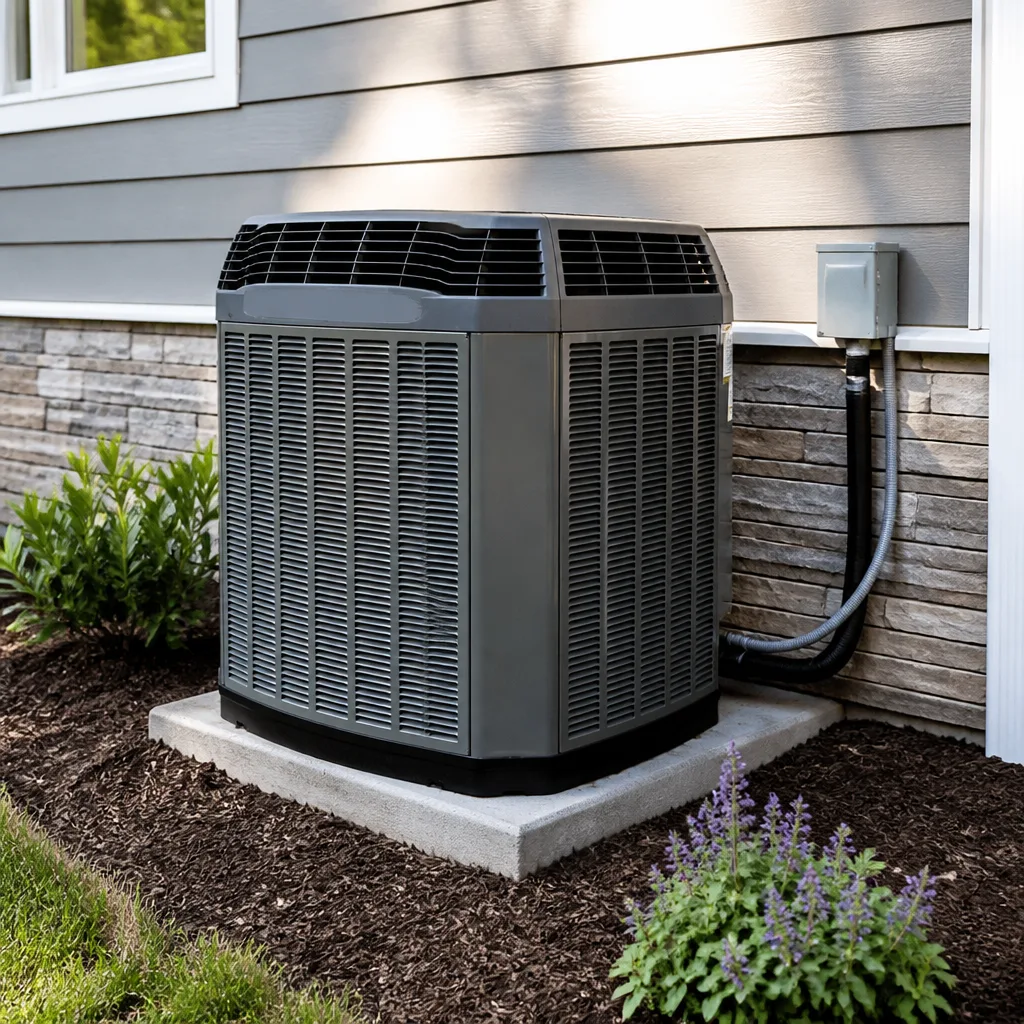 Trane
Trane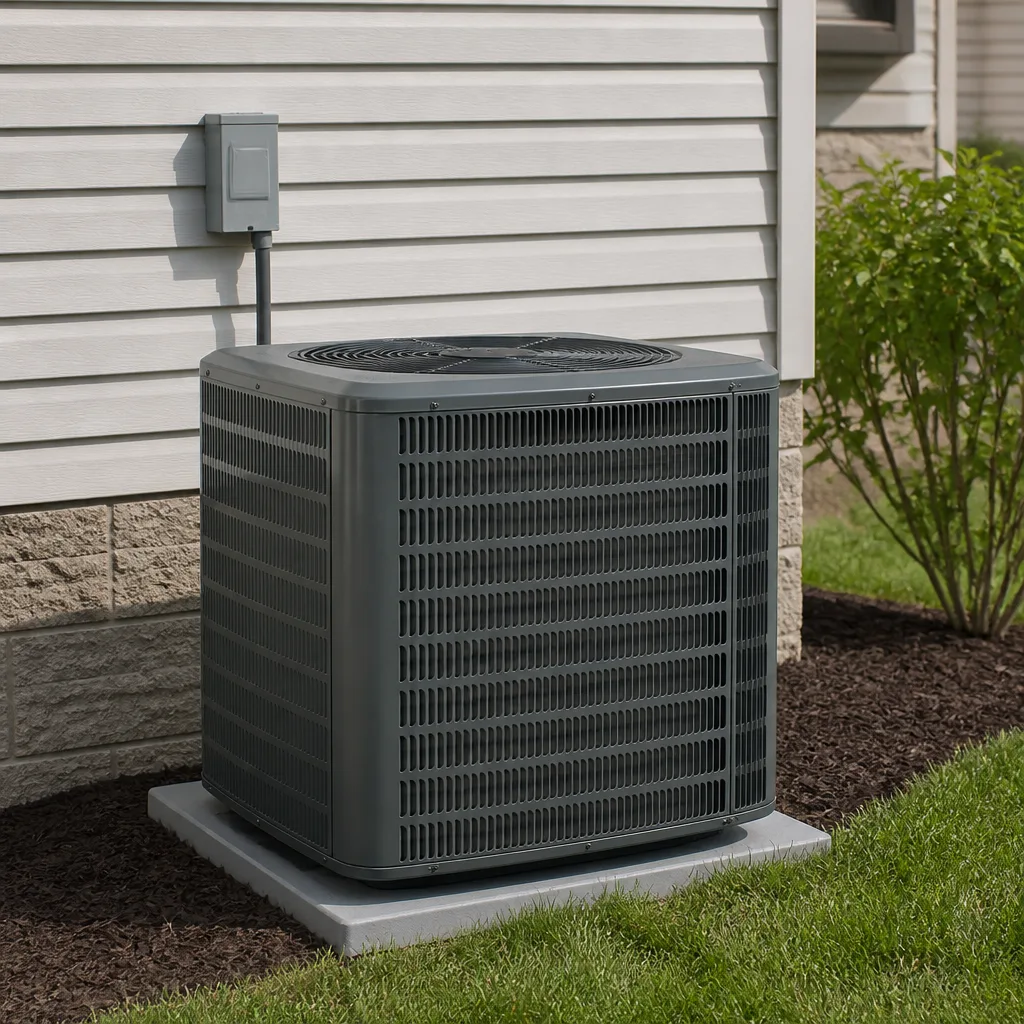 Goodman
Seasonal tune-up and full diagnostic on your Carrier, Trane, or Goodman system - readings shown to you before any repair is proposed
Diagnosis first, numbers second - you approve the repair price before a single part goes in.
Get your free estimateBryant Thermostat Installation: The Fort Worth Owner’s Guide
We install and program Bryant thermostats in Fort Worth every week, and the typical installed price runs between $180 and $450 depending on which Bryant control you choose and what wiring your existing setup has. Most thermostat swaps take under an hour once we’re at the house, and we keep the most common Bryant-compatible controls stocked on the truck so we can usually handle it the same day you call. The way owners discover a failed thermostat is almost always the same: the screen goes blank, a room won’t reach the set temperature, or the system short-cycles while the thermostat reads 78°F when the house feels like 84°F. What matters to us is matching the right control to your specific Bryant furnace, heat pump, or AC so the system doesn’t just run, but runs the way Bryant designed it to.
Which Bryant Models This Applies To
Bryant has used several thermostat platforms over the years, and the wiring behind the wall tells us more than the model number on the front. If you have a Bryant Evolution system (the communicating line that pairs with Evolution Connex controls), a standard 24-volt thermostat will not work on its own. That’s the single biggest compatibility gotcha we see on service calls across Fort Worth: a homeowner buys a smart thermostat off a shelf, and the multi-stage compressor or variable-speed blower never behaves right because the new control can’t speak Bryant’s proprietary language. The same goes for the older Evolution and Housewise lines, which often use four-wire communicating setups that read data, not just voltage.
For most standard Bryant single-stage and two-stage furnaces and ACs, we can install a Bryant preferred-series thermostat like the T6 or T10, or a quality aftermarket unit that supports the right stages and heat-pump reversing logic. Our first question is always the same: is the system communicating or conventional? We confirm that by checking the wires at the wall and the terminals at the control board, which means we never guess.
As for OEM versus aftermarket, here’s our honest take for Bryant equipment: if you have an Evolution or Evolution Connex system, stick with the Bryant communicating control. Generic thermostats will run the equipment, but you lose staging, dehumidification control, and airflow monitoring that you already paid for when the system was installed. On conventional equipment, a quality aftermarket thermostat from a brand like Honeywell or Ecobee can work well and often adds features the base Bryant control doesn’t have. We’ll match what’s there now and recommend the option that protects the equipment, not the one that’s easiest to sell.
Styles & brands we work with
Signs Your Bryant Thermostat Installation Is Failing
- Temperature and reality don’t agree. The reading says one thing and the room feels another. The thermostat’s thermistor is drifting or it’s mounted in a spot that wasn’t a problem until a summer heat wave pushed the wall temperature around.
- Blank or flickering display. On battery-powered units, a blank screen often means the batteries died. On hardwired controls, it could point to a lost common wire or a failing display board. Either way, the symptom is the same: the house gets uncomfortable while the thermostat looks dead.
- Short-cycling with no error on the furnace. If the blower kicks on and off every few minutes but the furnace board shows no fault codes, the thermostat’s relay may be chattering. This wears compressors faster, and in Texas heat that’s the last thing you want.
- No response to setpoint changes. You drop the temperature three degrees and nothing happens. If the system runs fine when you jump the wires at the board (something we do during diagnostics, and not something we recommend doing at home), the thermostat has likely failed.
- Unresponsive touchscreen or buttons. On Bryant’s communicating controls, a screen that ignores touches or a unit that reboots itself can be an early sign of a failing control, especially in houses with frequent power sags, which parts of Fort Worth near older grids do see during storm season.
See the difference
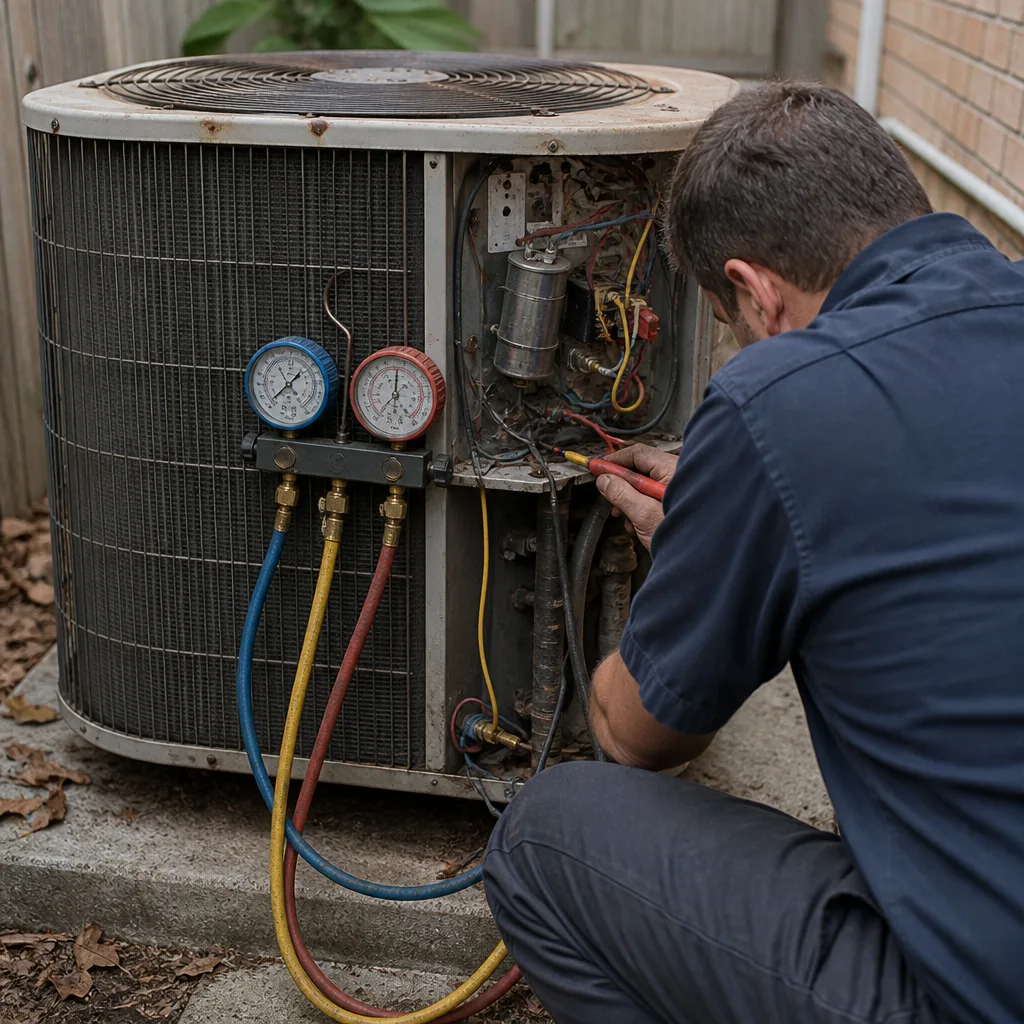 Before
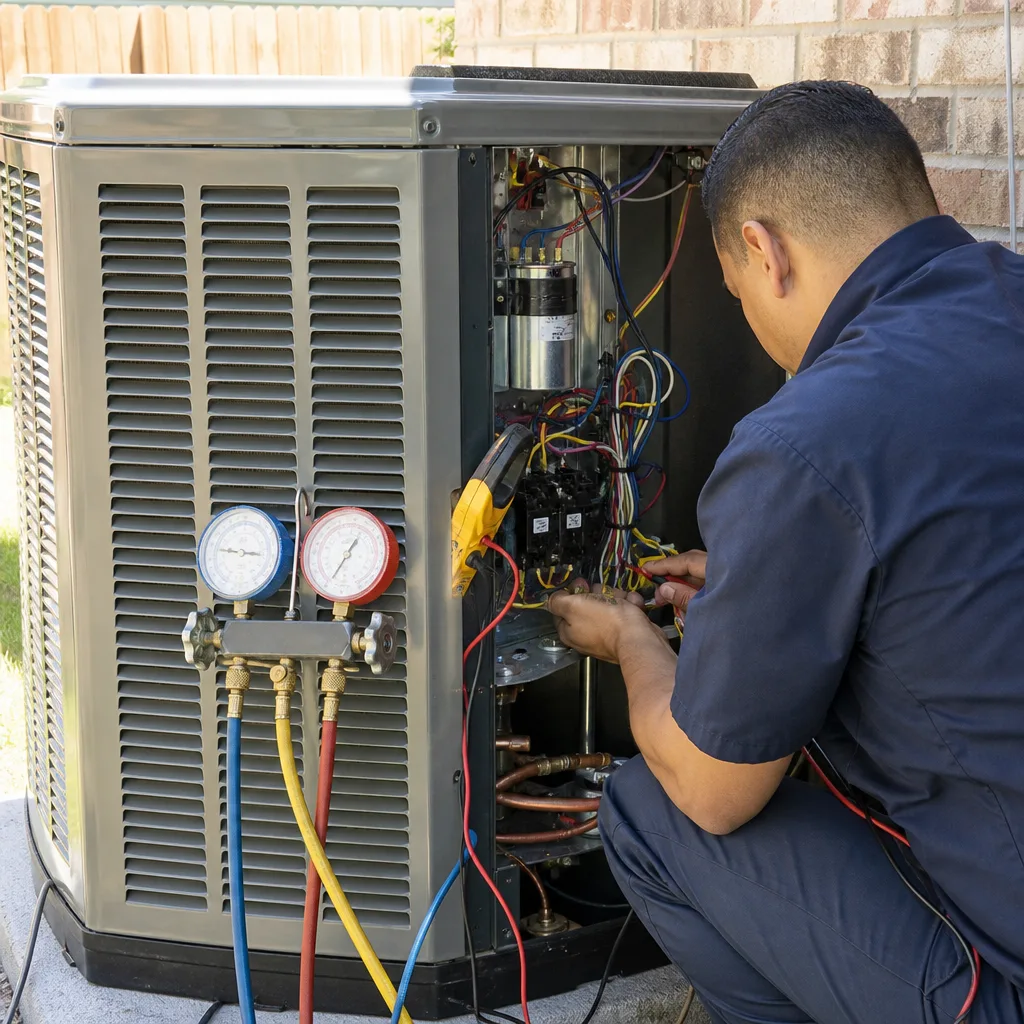 After
After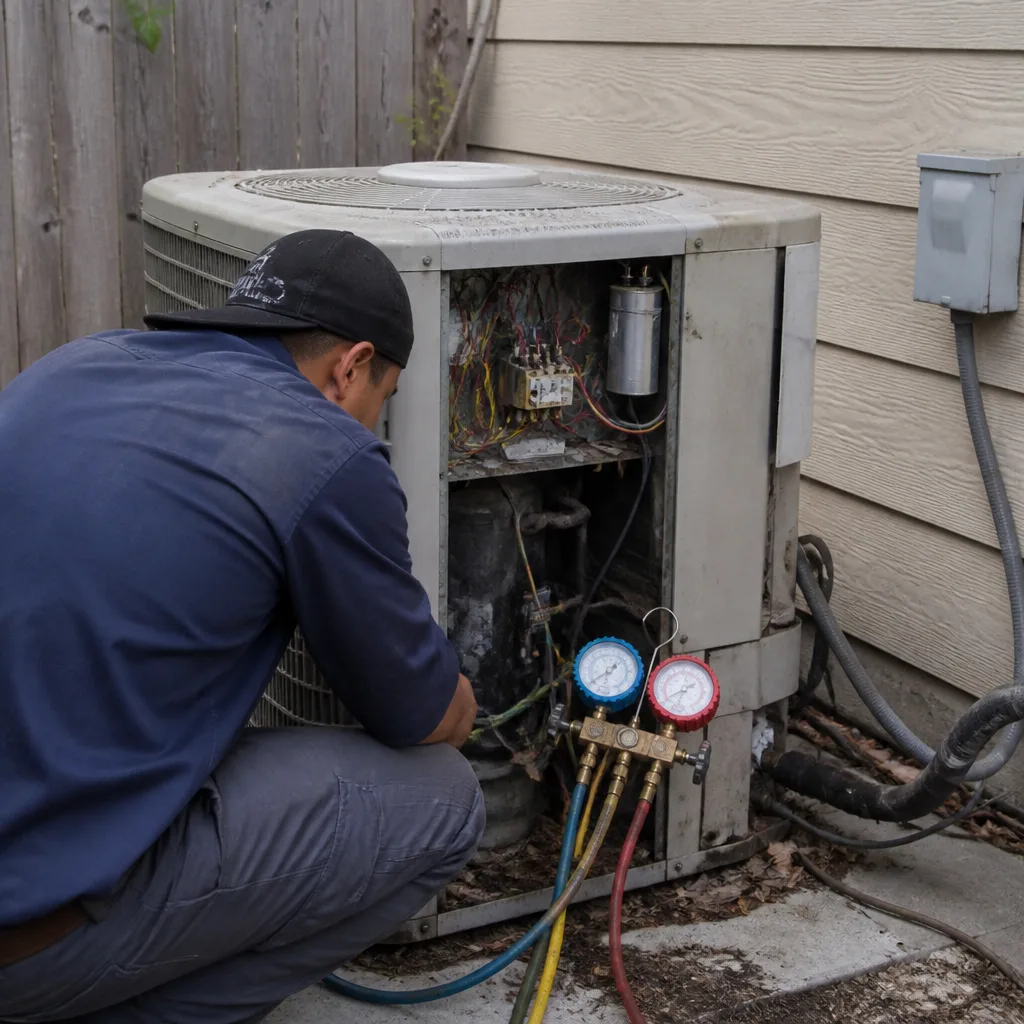 Before
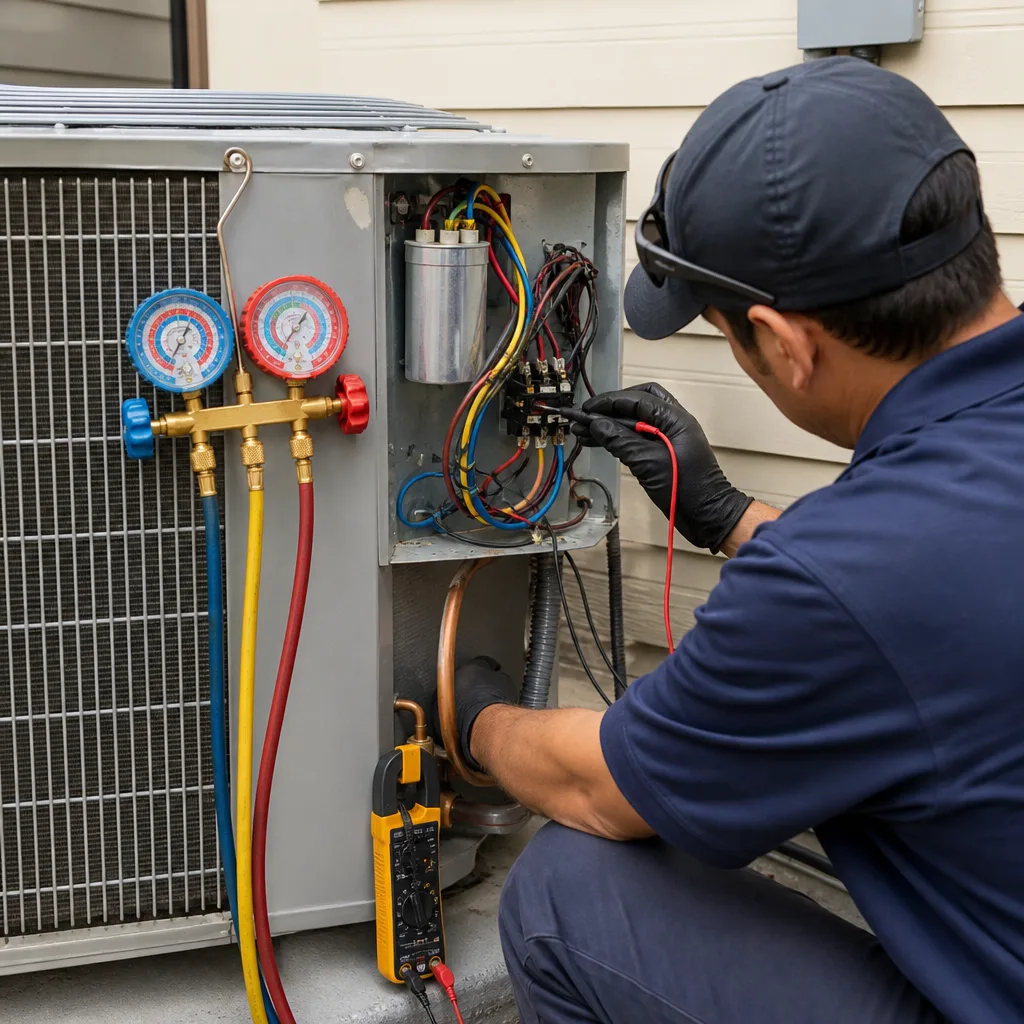 After
After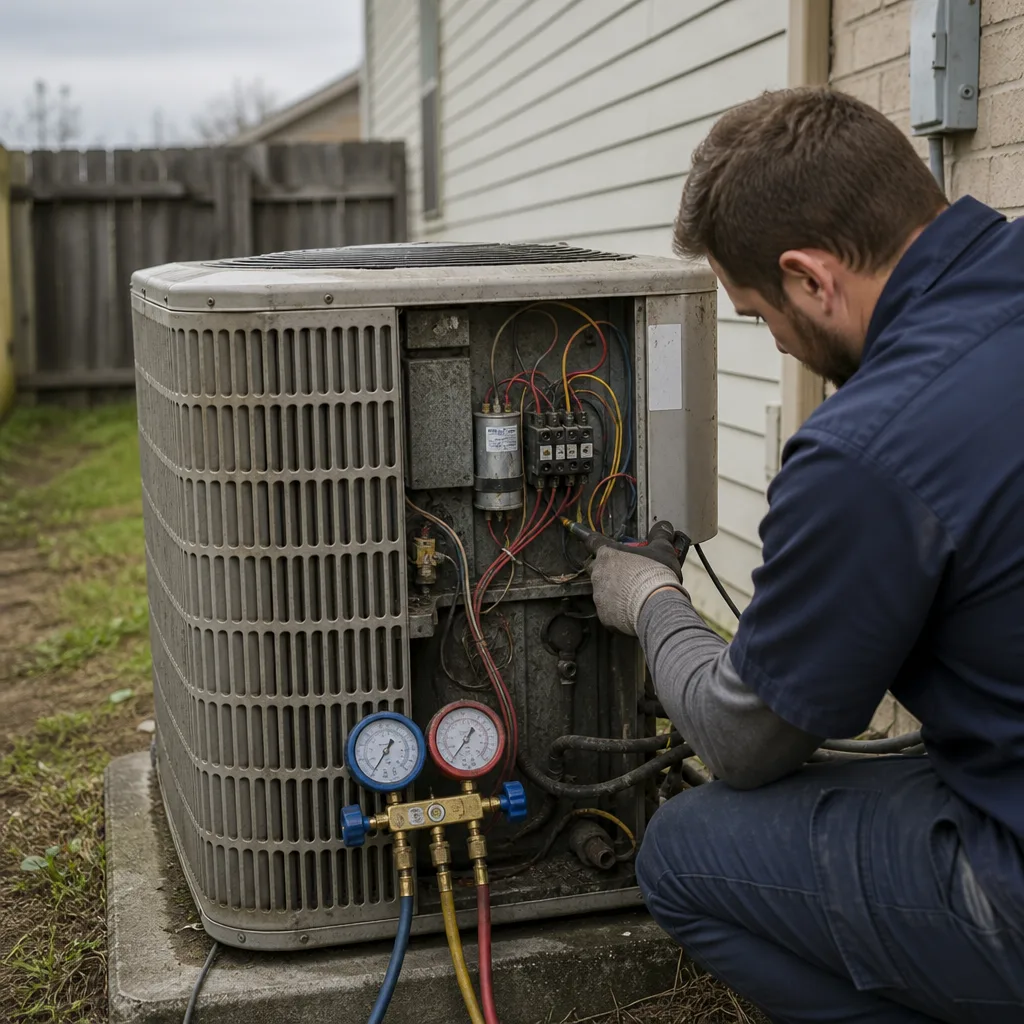 Before
 After
AfterReplacement Cost & What’s Included
For a conventional Bryant furnace or AC in Fort Worth, the installed price for a thermostat is typically $180 to $450. A basic Bryant T6 thermostat installation lands at the low end, a mid-range Wi-Fi model with remote sensors sits in the middle, and a full communicating replacement for an Evolution system is at the high end. We also carry options for Bryant heat pump systems with auxiliary heat strips, which require controls that stage emergency heat correctly.
What’s included in that price is the full job, not just the part: the new thermostat mounted and leveled, the wiring checked at both ends, a full setup and programming session matched to your system type, and a walkthrough of the schedule or app so the house doesn’t fight the equipment. We verify the thermostat responds correctly to heating, cooling, and fan calls before we leave. Every installation carries our 365-Day Done Right Promise: if the thermostat isn’t set up correctly, we return and make it right at no charge. And the price is written down before we start, so the number you approve is the number you pay.
DIY or Call Us?
What an owner can safely check on a Bryant thermostat: the batteries, the circuit breaker powering the air handler or furnace, and whether the door or cover on the equipment is fully closed, since most units have a safety switch that kills low-voltage power when the panel isn’t seated. Those three things account for a surprising number of “dead thermostat” calls we get in Fort Worth, especially after a filter change or a breaker reset.
Where DIY gets uncomfortable is the wiring. Thermostat wire carries 24 volts, which won’t throw you across the room, but shorting the wrong two wires can blow the fuse on the control board or damage a transformer, and on Bryant heat-pump systems, landing the reversing valve wire on the wrong terminal means the system heats when it should cool. We’ve also seen homeowners damage drywall pulling old wires, or mislabel wires and end up with no heat on the first cold snap of the year. If you’re unsure at any point, call (682) 610-2888 and we’ll check it the same day.
FAQs
A Bryant thermostat typically lasts 10 to 15 years in Fort Worth, though battery-powered units tend to fail sooner because summer heat pushes the display and internal components harder. If your thermostat is older than a decade and acting up, replacement is usually the better investment than repeated service calls.
Most failed thermostats are not worth repairing; the components are surface-mount boards sealed inside the housing, and by the time a relay or display fails, the cost of bench repair would exceed a new control. There are exceptions, like a dead battery tray or a damaged wall plate, but those are edge cases. We’ll be straightforward about which one yours is.
A typical Bryant thermostat swap takes 45 minutes to an hour, including setup and programming. If we’re converting an old communicating system to a modern control or pulling new wire, it can run closer to two hours, and we’ll tell you that up front.
We stock the most common Bryant-compatible controls on our service vehicles, including basic programmable and Wi-Fi models, plus wider compatibility options for two-stage and heat-pump systems. If your Bryant needs a communicating Evolution control, we can usually have it and install it within a day or two, and we’ll confirm availability when you call.
Written by Luis Serrano, Owner, Meadowsweet Heating and Air Fort Worth at Meadowsweet Heating and Air Fort Worth, serving Fort Worth and nearby areas.