
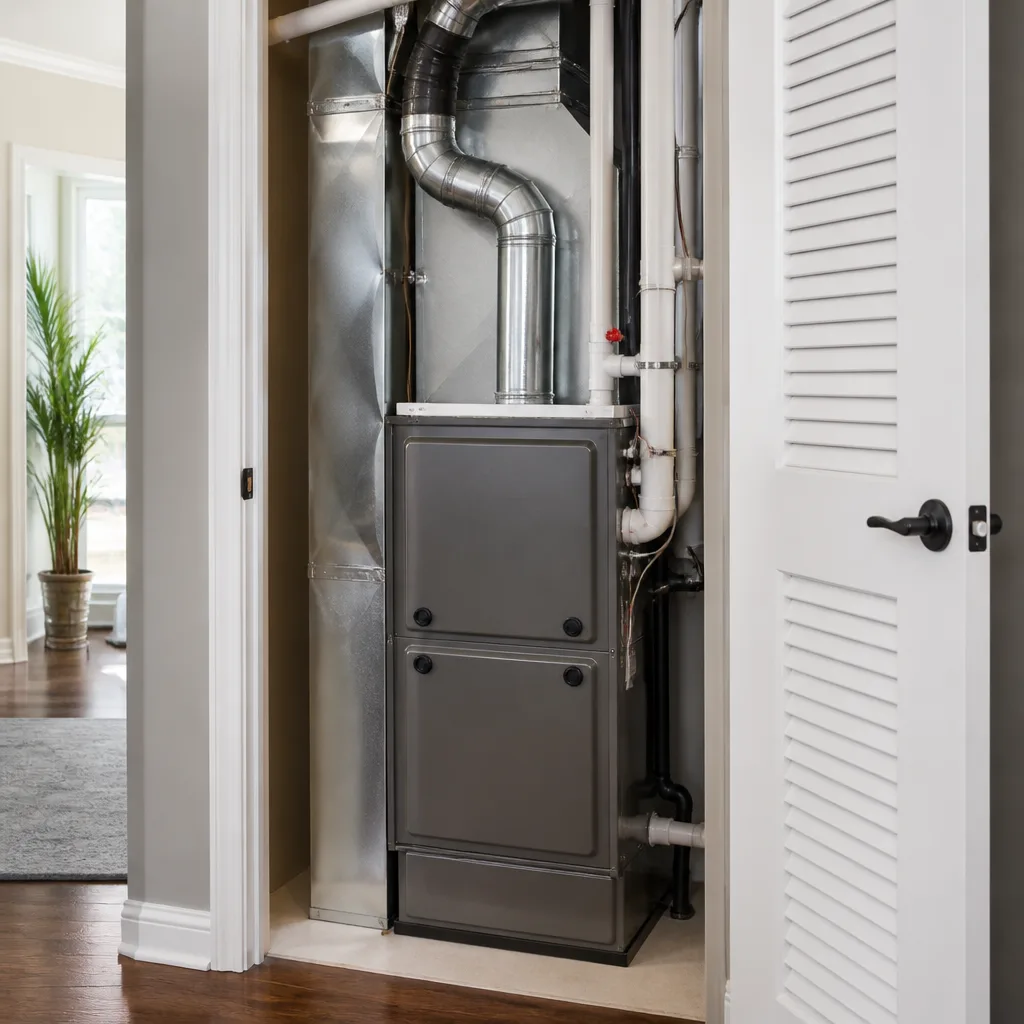
 Furnace & heating
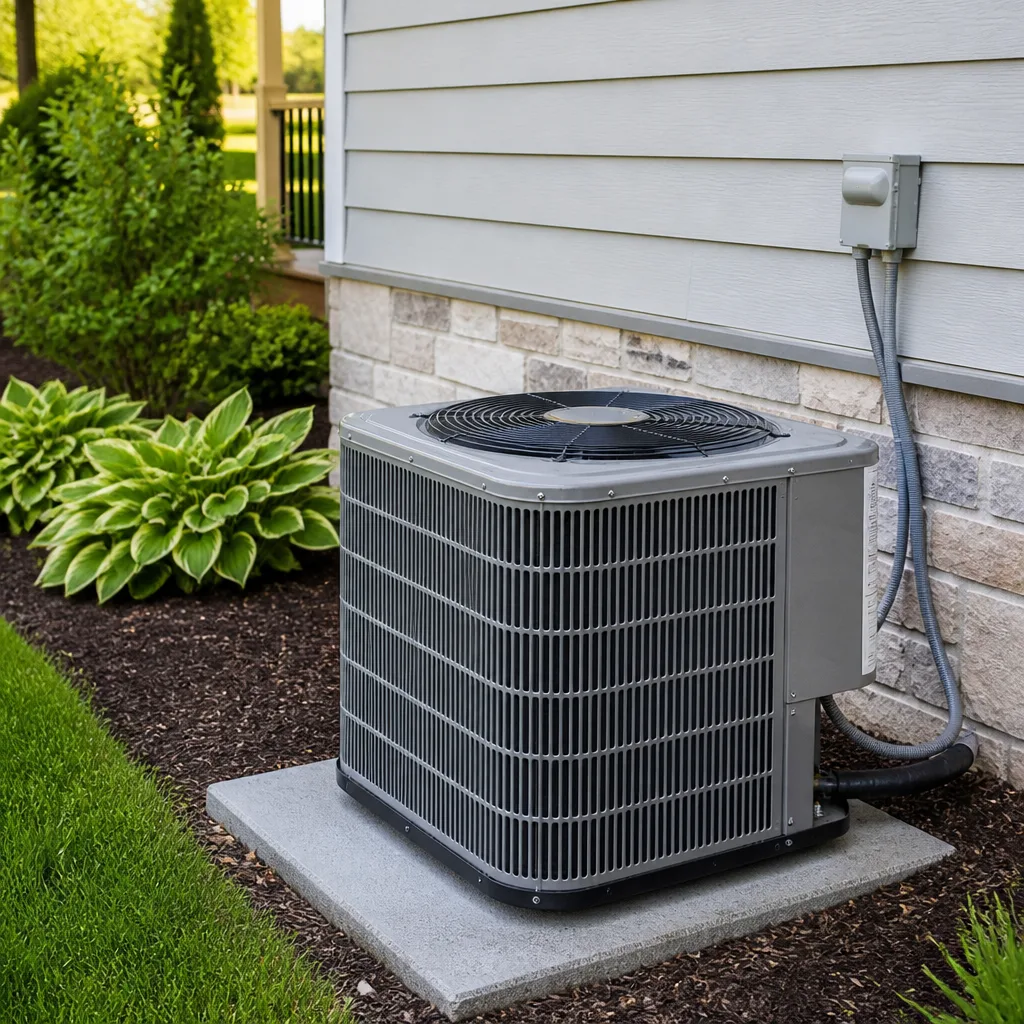 AC repair
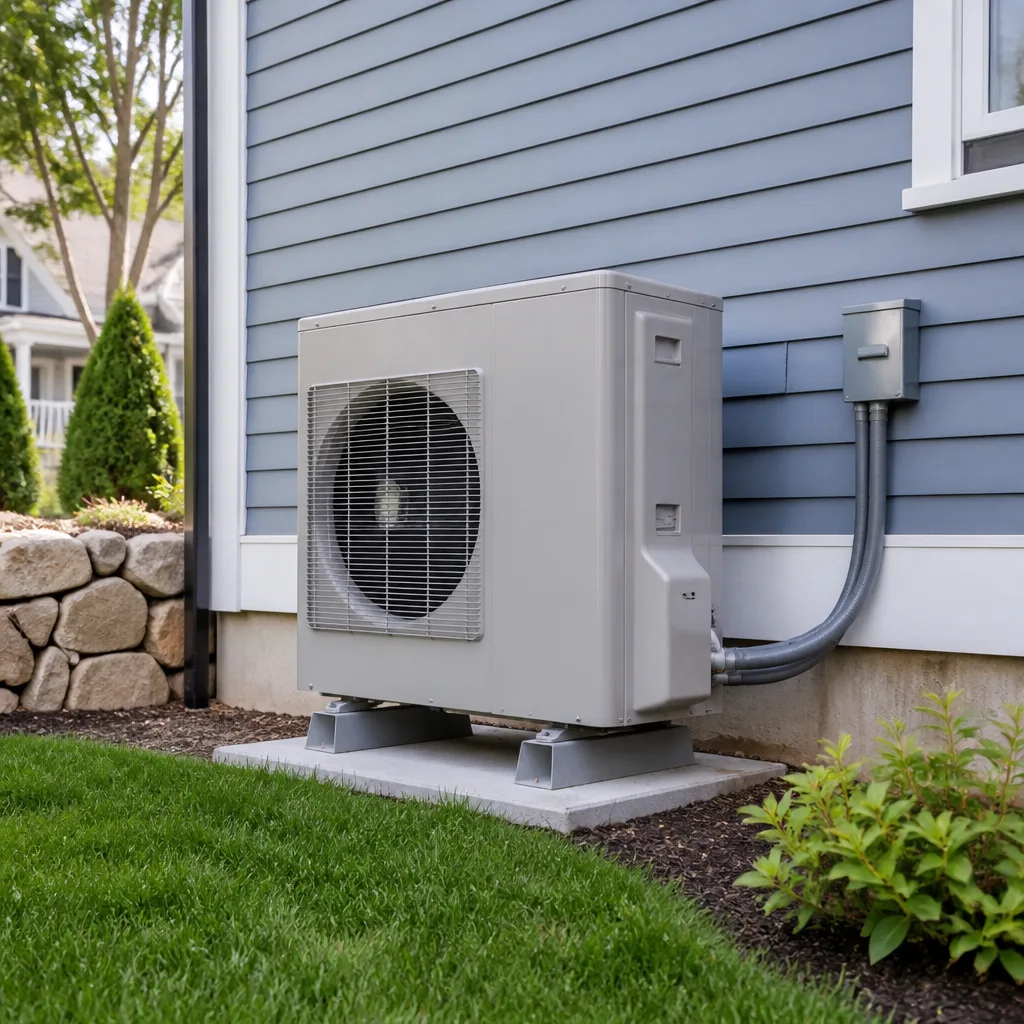 Heat pumps
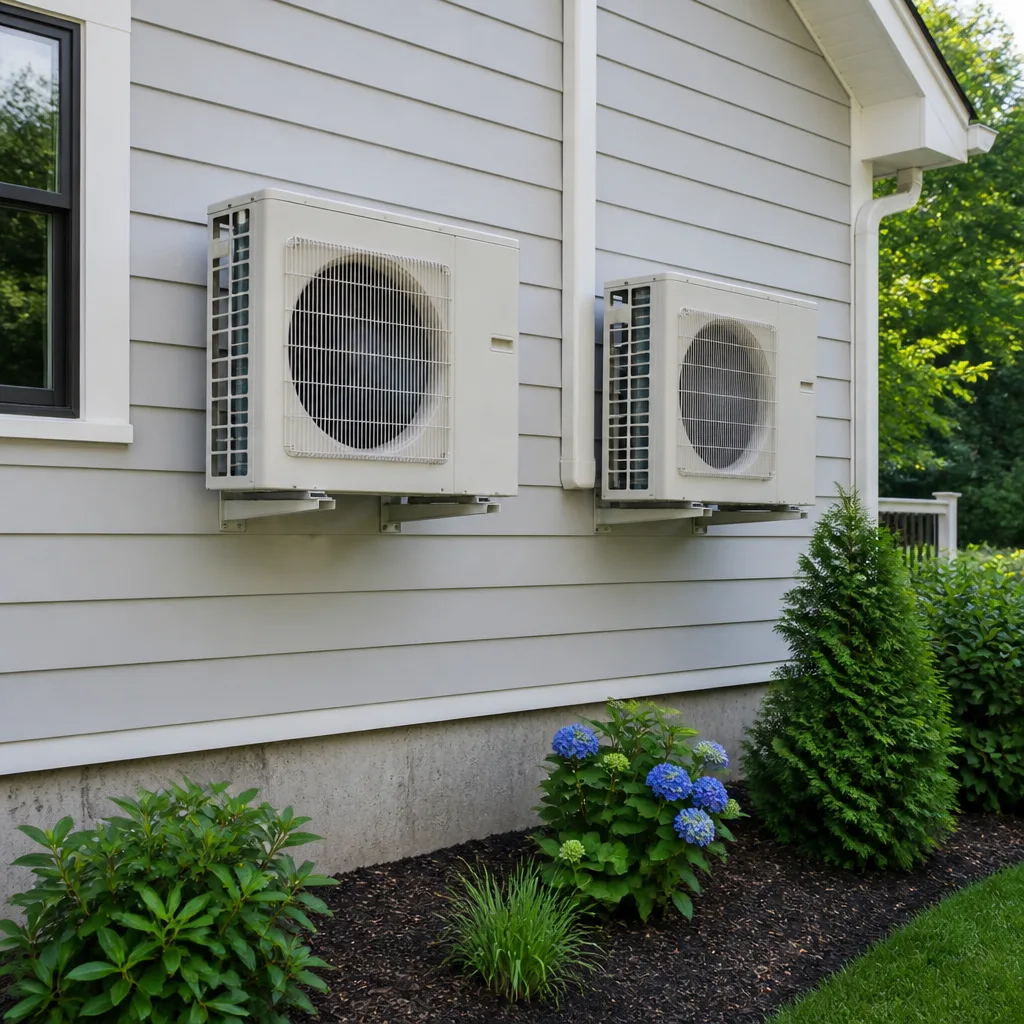 Ductless mini splits
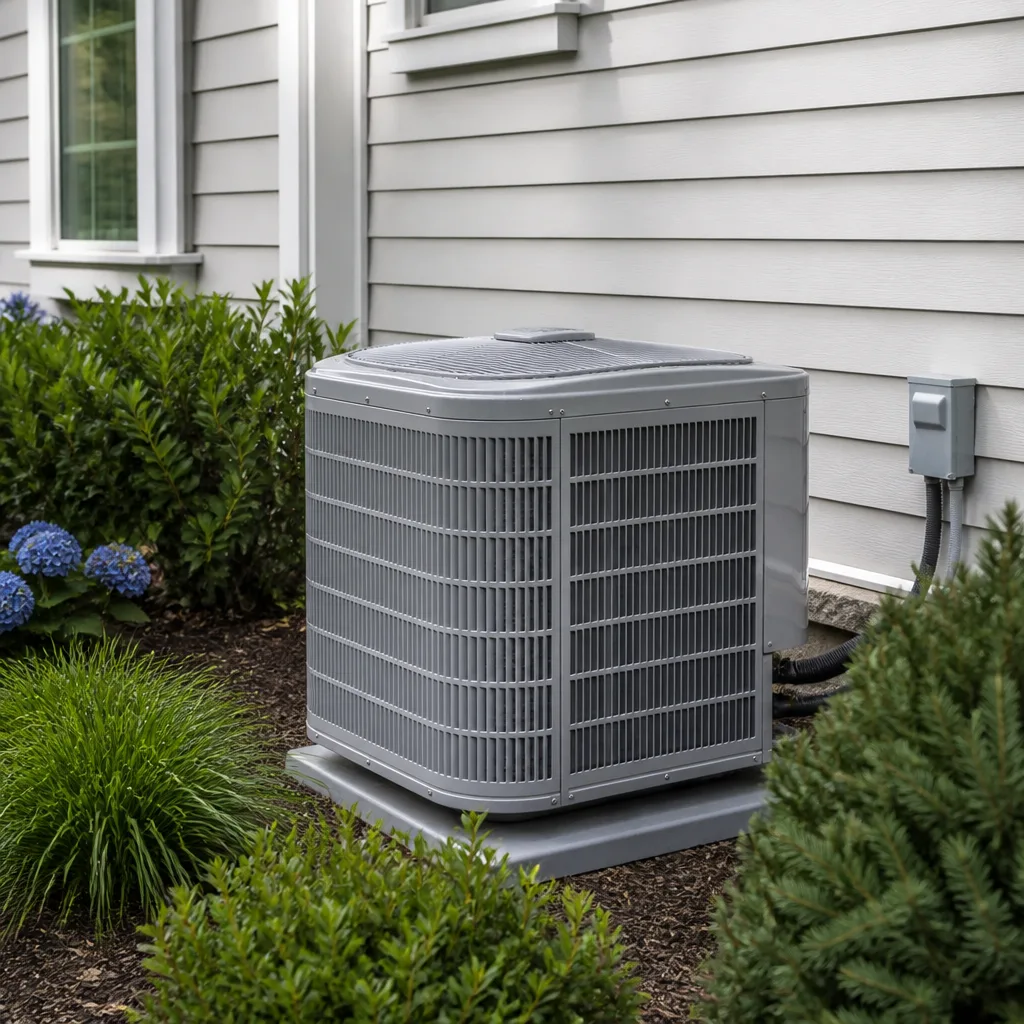 Carrier
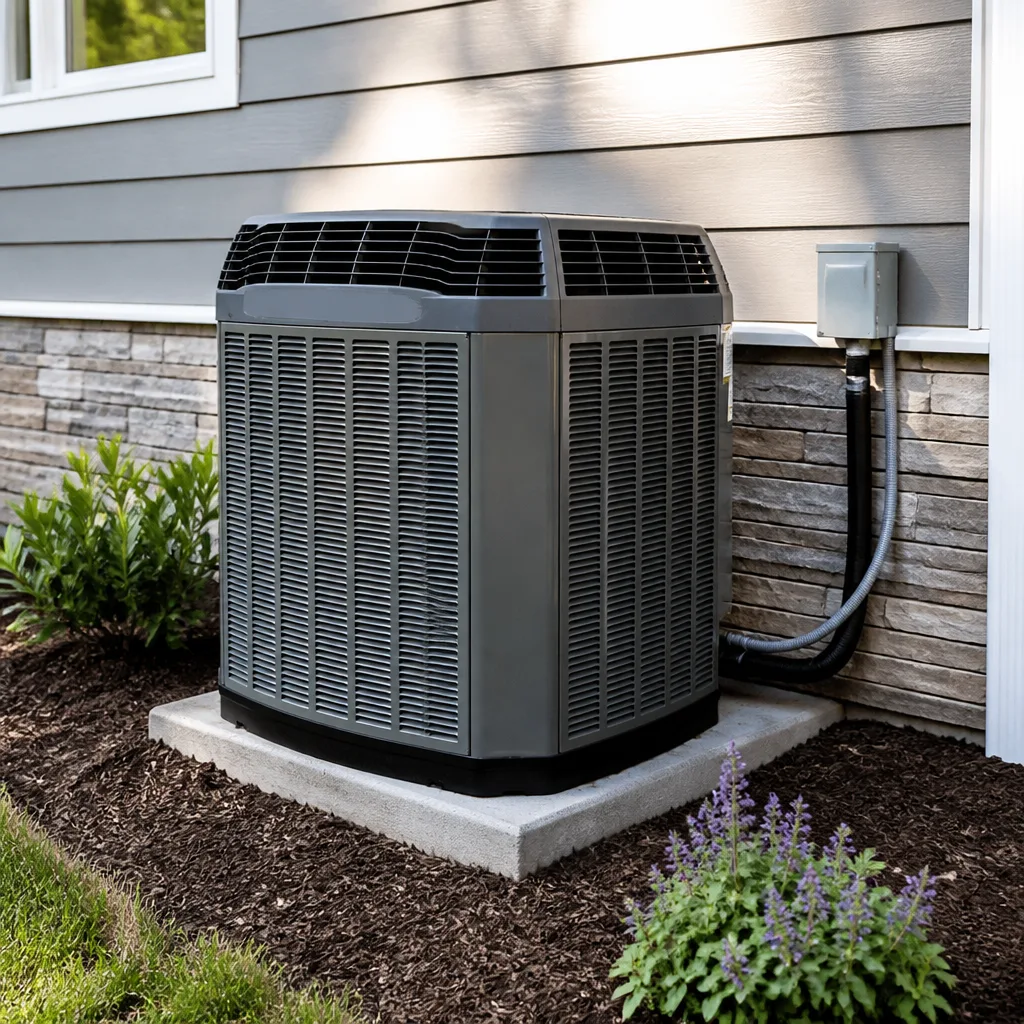 Trane
Trane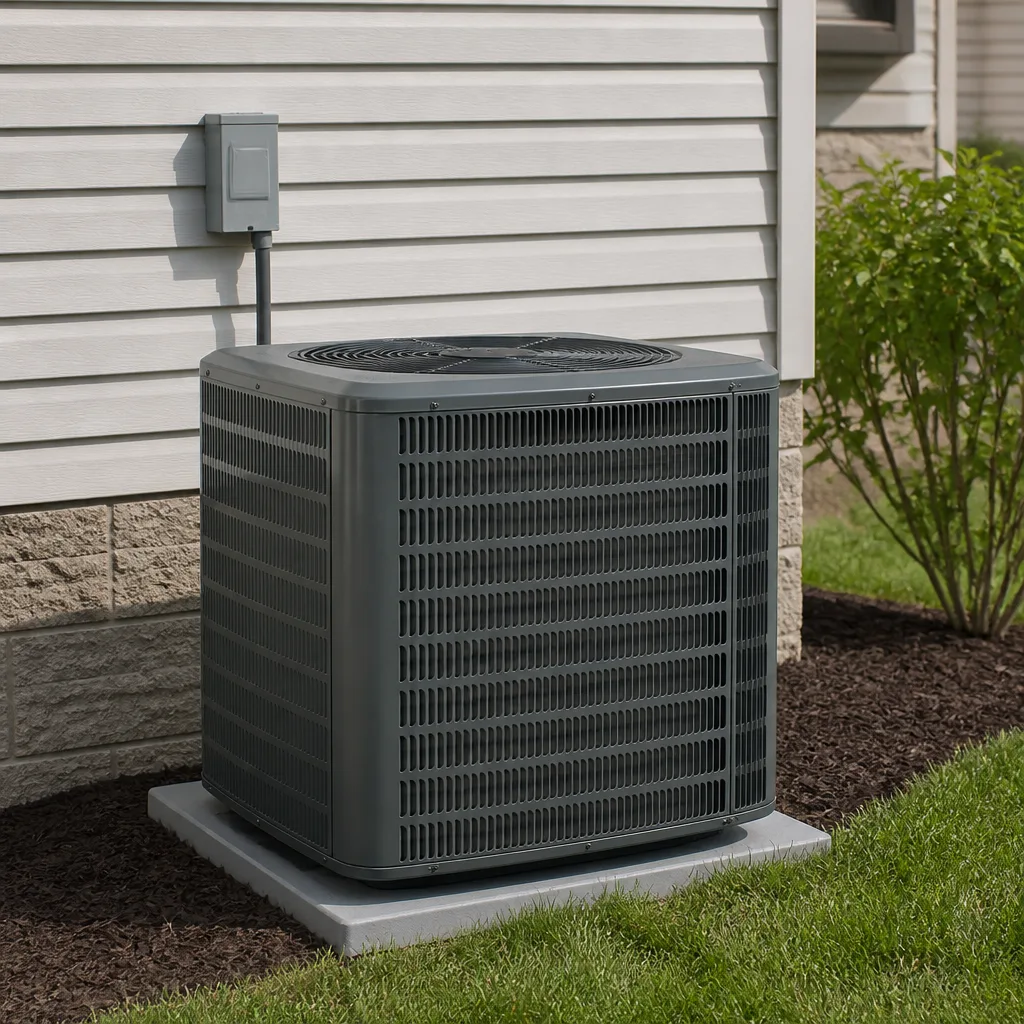 Goodman
Seasonal tune-up and full diagnostic on your Carrier, Trane, or Goodman system - readings shown to you before any repair is proposed
Diagnosis first, numbers second - you approve the repair price before a single part goes in.
Get your free estimateBryant Capacitor Replacement: The Fort Worth Owner’s Guide
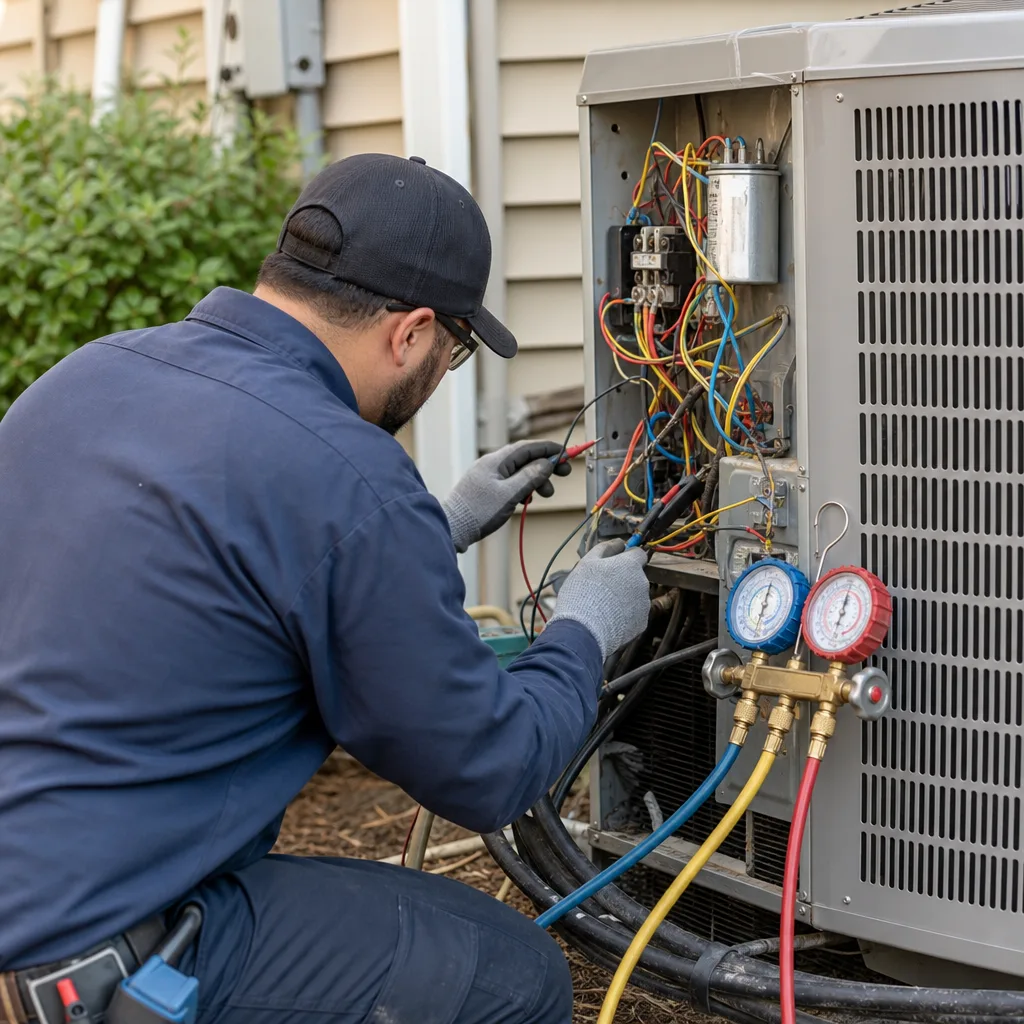
A Bryant capacitor replacement in Fort Worth typically costs between $150 and $350 installed, depending on whether it’s a single or dual-run capacitor and which Bryant model you have. We stock Bryant-compatible capacitors on our trucks, so most replacements happen same-day, often within an hour of diagnosis. Here’s the symptom picture: your outdoor unit hums but won’t start, the compressor clicks and trips, or the fan spins slowly and you hear a low buzzing from the cabinet. That’s almost always a capacitor losing its ability to store and release the voltage that starts your motor.
In Fort Worth’s summer heat, capacitors fail more often than almost any other Bryant part. A capacitor works as a temporary battery for your AC’s motors, giving the compressor and fan the jolt they need to start. When the Texas sun is beating on the condenser, that capacitor runs hot all day, and heat is exactly what shortens its life. We see the most capacitor failures from May through September, usually on units that are seven years old or older. If you’re near TCU, the Stockyards, or up in the Eagle Mountain area, the story’s the same: heat and age are the two things that kill capacitors, and they don’t give much warning before they go.
Which Bryant Models This Applies To
We replace capacitors for the full Bryant lineup: the Evolution series, the Preferred series, and the Legacy series. That covers units like the 126S, 127S, 180S, and the budget 113S and 114 series, along with older Bryant models from the 2000s and early 2010s that are still running all over Fort Worth. The capacitor inside is generally one of two shapes: a round metal canister, usually 370V or 440V, or an oval plastic-body part found on newer Bryant units. The rating you need depends on your compressor and fan motor, not the model name alone.
Here’s the compatibility gotcha worth knowing: Bryant uses both single-run and dual-run capacitors depending on the model and year. A dual-run capacitor handles both the compressor and the fan, with three terminals labeled C, FAN, and HERM. A single-run capacitor handles only the compressor, and the fan has its own smaller capacitor. If someone installs a dual-run in a unit built for a single-run, or the other way around, the motor can start but run poorly or fail early. The microfarad (mfd) rating also has to match. A Bryant that calls for a 45/5 mfd dual-run will not work properly with a 35/5, and here’s the thing: a mismatched capacitor usually doesn’t fail loudly. It degrades the motor over months, which is why we measure the existing capacitor’s rating before pulling a replacement off the truck.
When it comes to OEM Bryant capacitors versus quality aftermarket equivalents, our position is practical. Bryant’s OEM capacitors are solid parts, and if your unit is under warranty, that’s usually the route to go. But aftermarket capacitors made by AmRad, Titan HD, or Genteq often carry a five-year rating and a higher temperature tolerance than a basic OEM part, and that matters in Fort Worth, where the condenser cabinet can reach 140 degrees on a July afternoon. For most Fort Worth homeowners, a quality aftermarket capacitor made in the USA with a 440V rating is the better-value choice, and we’ll show you both and price them plainly before any work starts. Meadowsweet Heating and Air Fort Worth is an independent service provider; we’re not affiliated with Bryant, but we stock and install parts that match Bryant’s engineering specs.
Styles & brands we work with
Signs Your Bryant Capacitor Replacement Is Failing
- Compressor hums but won’t start. You hear a low humming from the outdoor unit, but the fan doesn’t spin and no cool air moves. That’s the capacitor no longer holding enough charge to kick the compressor over. The start relay fires, but the motor just sits there and draws current until it trips a breaker. If you hear this, turn the system off at the thermostat and don’t keep trying it, because a struggling compressor can overheat fast in Fort Worth’s summer months.
- Fan spins slower than it should. The outdoor fan moves, but it’s sluggish, and the air coming off the top of the condenser feels warm rather than hot. A failing capacitor often loses its microfarad rating gradually, so the fan motor runs at 60 or 70 percent of its intended speed. That reduced airflow pushes up system pressure and makes your whole unit work harder, which cascades into shorter compressor life.
- Hard-start symptoms on hot afternoons. The unit starts fine in the morning but struggles or fails to start when it’s been sitting in direct sun all day. Heat raises the capacitor’s internal resistance, so a part that’s borderline in the morning becomes ineffective by 3 p.m. This is the most common pattern we see across Fort Worth and a consistent sign the capacitor is measuring below its rated range.
- Breaker trips when the AC turns on. The compressor pulls a huge inrush of current trying to start without the voltage boost from a working capacitor. That spike trips the breaker before the motor can even spin up. One trip can be normal after a power surge, but if it happens more than once in a season, or right at startup, the capacitor is the first thing we test.
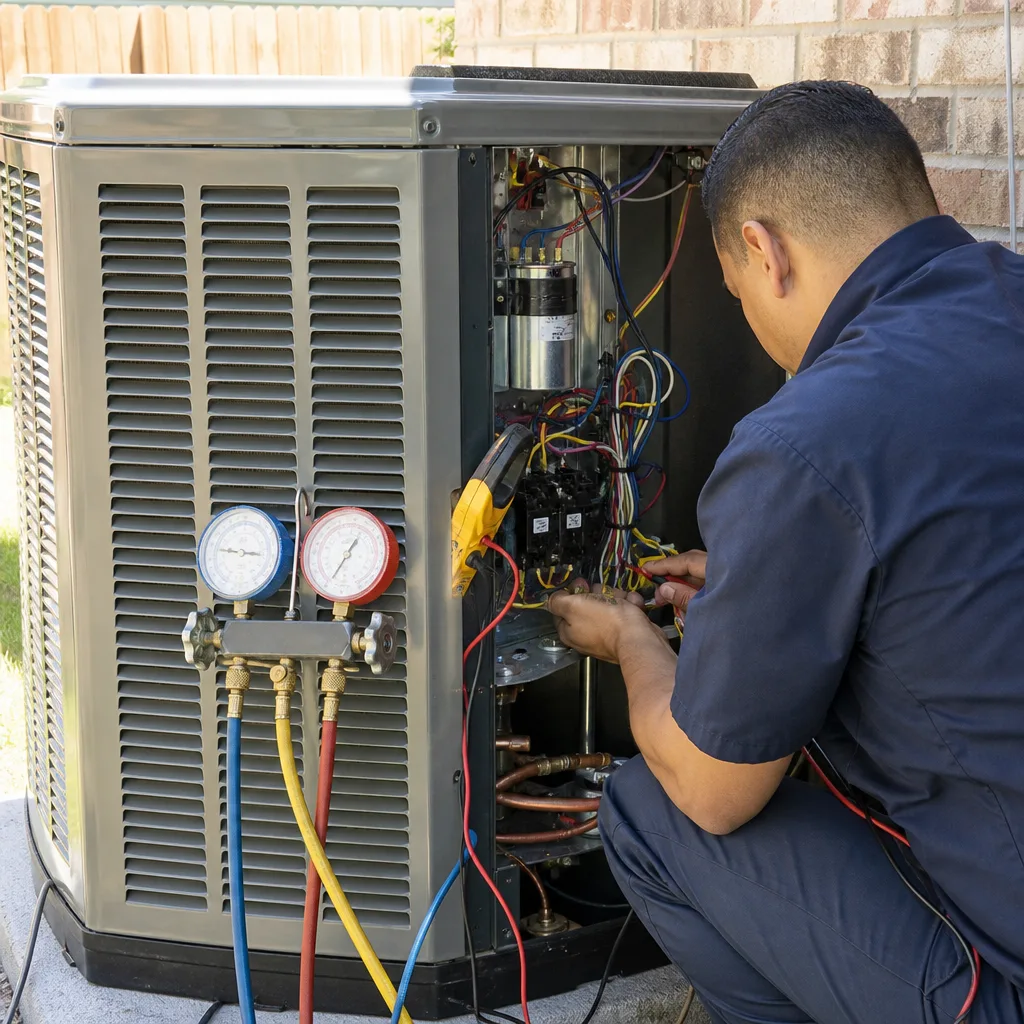
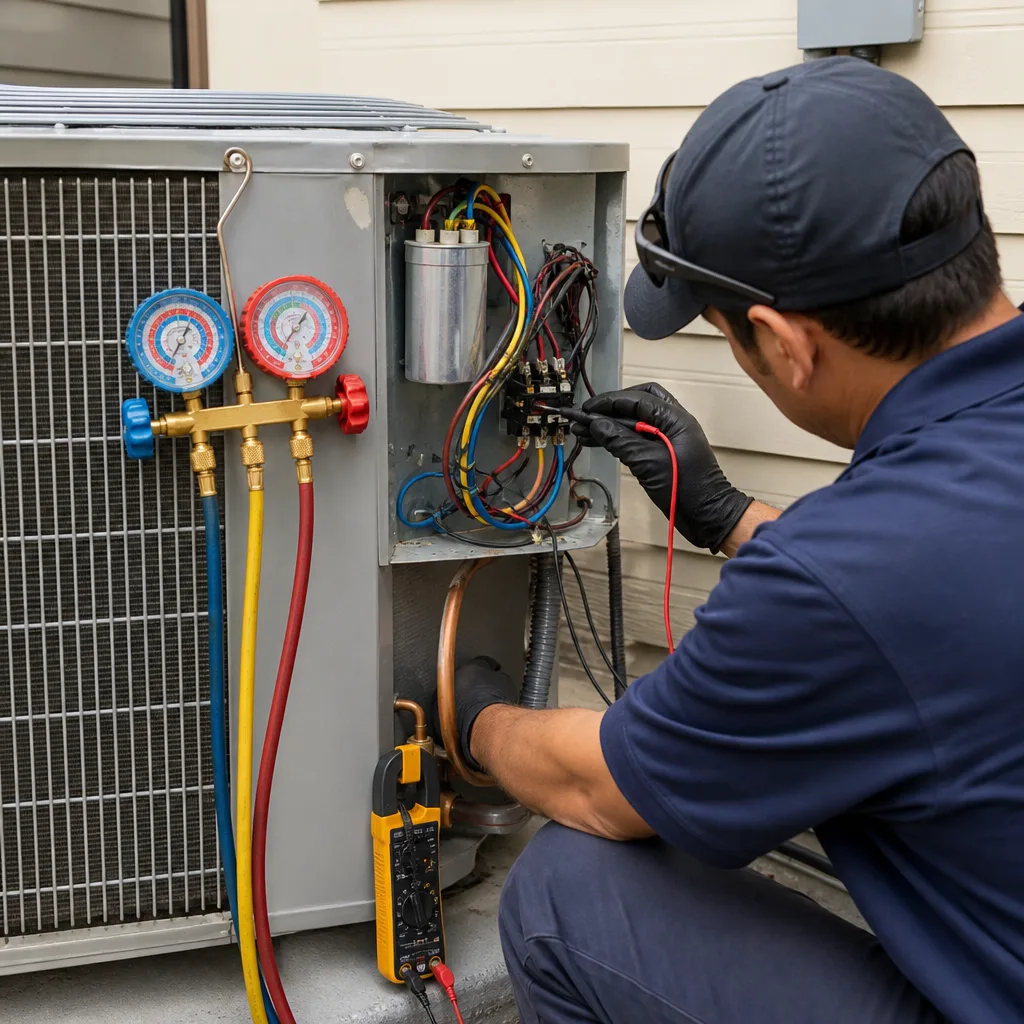
- Bulging top or leaking dielectric fluid. If you look inside the service panel safely with the power off, a failing capacitor often has a domed or bulged top instead of a flat one. Sometimes you’ll see a clear or brownish ooze at the terminal base. That’s the dielectric fluid breaking down from heat exposure. Once you can see it, the capacitor is done and should be replaced, full stop.
See the difference
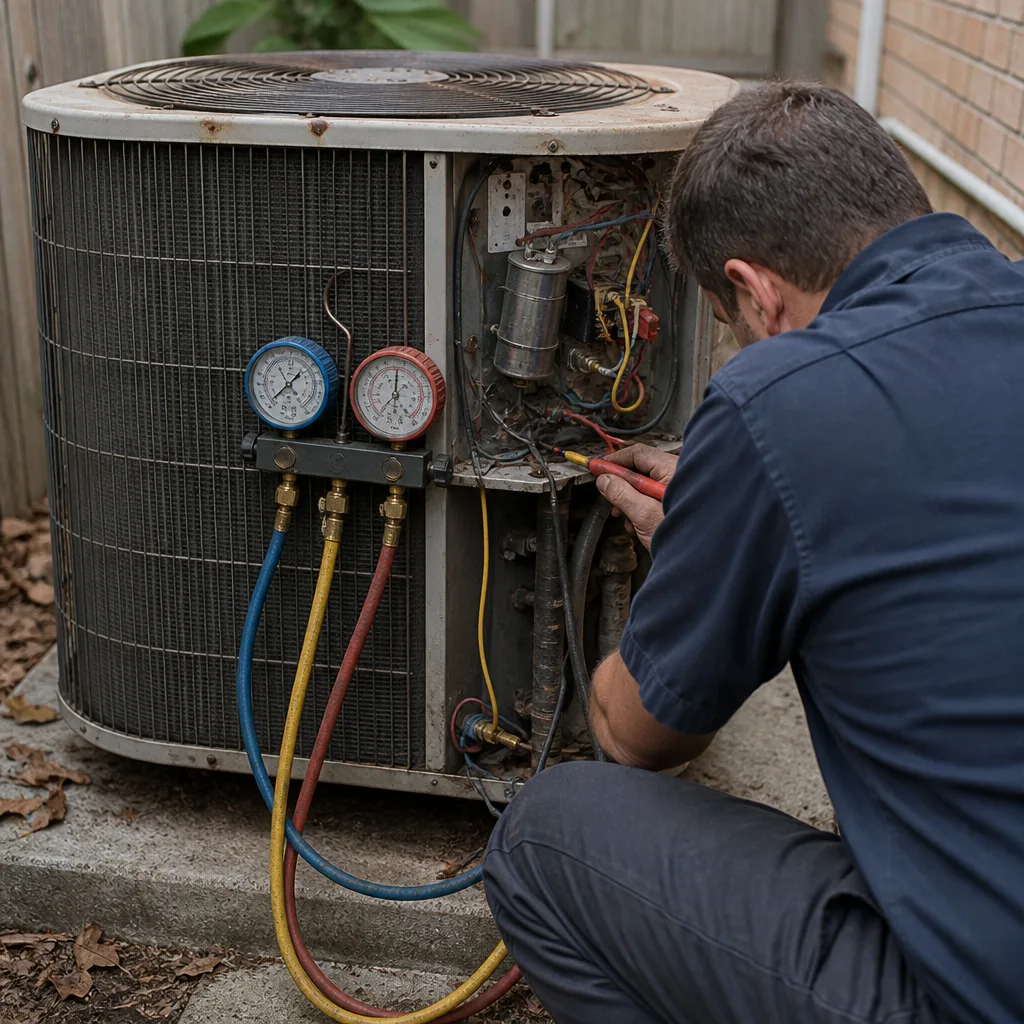 Before
 After
After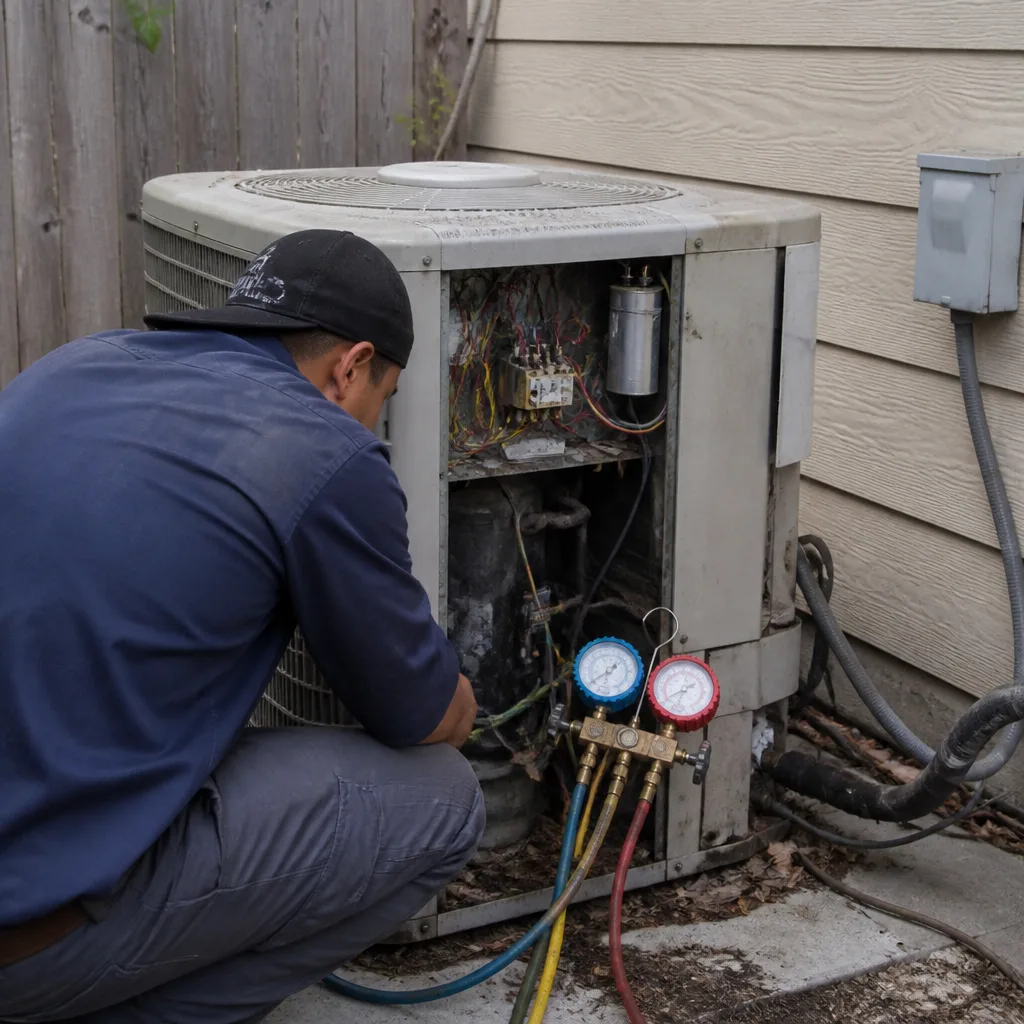 Before
 After
After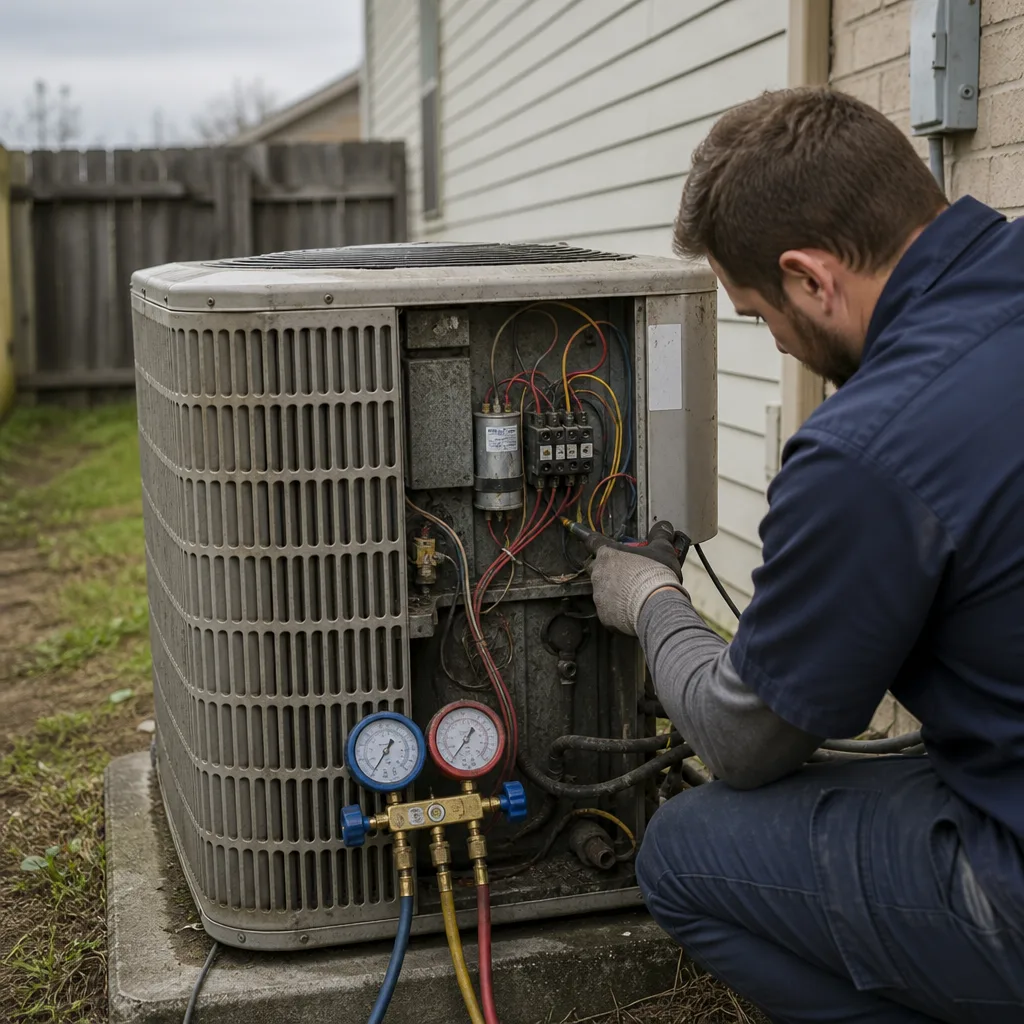 Before
 After
AfterReplacement Cost & What’s Included
For a Bryant capacitor replacement in Fort Worth, our installed pricing runs roughly $150 to $320 for a single-run capacitor and $180 to $350 for a dual-run, including the part and labor. The spread depends on whether you need an OEM Bryant part or a premium aftermarket unit, and how hard the cabinet is to access. Some older Fort Worth homes, especially around the Cultural District where condenser placements can be tight, make for slower access than a new build with a clear pad on the side of the house.
Every quote we give is a written price before any work starts, so you know the exact number before the panel comes off. The price includes the replacement part, testing the new capacitor to confirm the microfarad reading matches the Bryant spec, cleaning the terminals, and a quick start-cycle check on the compressor and fan. We don’t charge overtime for evenings or weekends, even during a Fort Worth heat wave. The part is covered by the manufacturer’s rating, and our labor is backed by the 365-Day Done Right Promise: if the capacitor fails within a year because we didn’t install it right, we make it right with no charge and no runaround. And as with every Meadowsweet visit, the technician will put down shoe covers and drop cloths before walking through your house to the condenser, and we’ll send you a photo of the cleaned-up work area before we leave.
DIY or Call Us?
We’ll be straight with you: a capacitor stores enough voltage to stop a heart or give a serious burn, even with the unit unplugged. It has to be discharged safely with the right tool and method before it’s touched, and if you get the wiring or the microfarad rating wrong, you can burn out a compressor motor that costs thousands to replace and isn’t covered by any warranty when the cause was incorrect installation. We don’t recommend opening the service panel on a Bryant condenser unless you’re trained in electrical service and have the right meter on hand.
What you can do safely is describe the symptom clearly: is the fan spinning, is the unit humming, has the breaker tripped. That’s genuinely useful to us before the truck rolls, and it’s exactly the kind of thing Luis Serrano asks about first: “Tell me what the system is doing, and I’ll tell you exactly what it needs, nothing more.” Call (682) 610-2888 and we’ll send a technician who can test and replace the capacitor the same day, with a written price before anything comes out of the truck.
FAQs
A Bryant capacitor typically lasts 5 to 10 years in Fort Worth’s climate, but units that sit in direct afternoon sun or run constantly from May through September can see failures at the 4-to-7-year mark. Heat exposure inside the condenser cabinet is the single biggest factor. If your capacitor is older than five years and the unit is struggling to start, it’s worth a test. Call (682) 610-2888 and we can check the microfarad reading and tell you exactly where it stands relative to the spec.
No. A capacitor is a sealed component and cannot be repaired, only replaced. Once the dielectric inside breaks down from heat or age, the part will never recover its original rating. The good news is that replacement is quick and low-cost compared to most AC work. For an exact price on your Bryant model, call (682) 610-2888 and we’ll give you a written figure before any work begins.
Most Bryant capacitor replacements take 30 to 60 minutes from panel-off to system test, and we stock the common sizes on the truck so it’s almost always a single-visit job. We test the new part before we leave and run a full start-cycle to confirm the compressor and fan come up to speed cleanly. When a Fort Worth customer calls before noon, we usually have the system running again the same day.
We stock Bryant-compatible capacitors in the most common ratings: 370V and 440V, both single-run and dual-run, in round and oval form factors. We also carry parts for Carrier, Trane, and Lennox. If your unit needs a less common rating, we can typically source it same-day through our local supply network in Fort Worth. Call (682) 610-2888 with your model number and we’ll confirm we have the right part before we schedule the visit.
If your Bryant is humming, tripping, or just not starting, call Meadowsweet Heating and Air Fort Worth at (682) 610-2888. A live person answers, day or night, and you’ll get a written price before we touch anything. The sooner we test it, the less chance the capacitor takes something expensive with it.
Written by Luis Serrano, Owner, Meadowsweet Heating and Air Fort Worth at Meadowsweet Heating and Air Fort Worth, serving Fort Worth and nearby areas.