
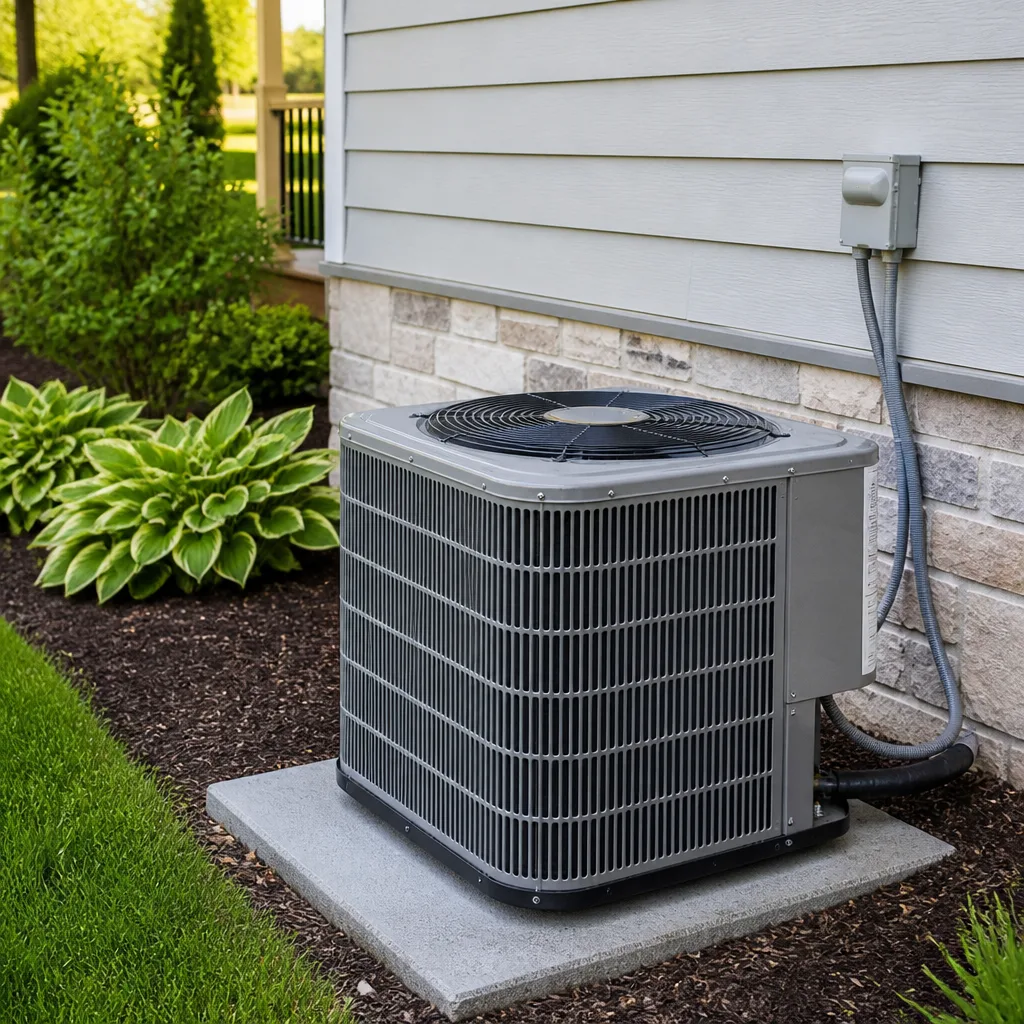
 AC repair
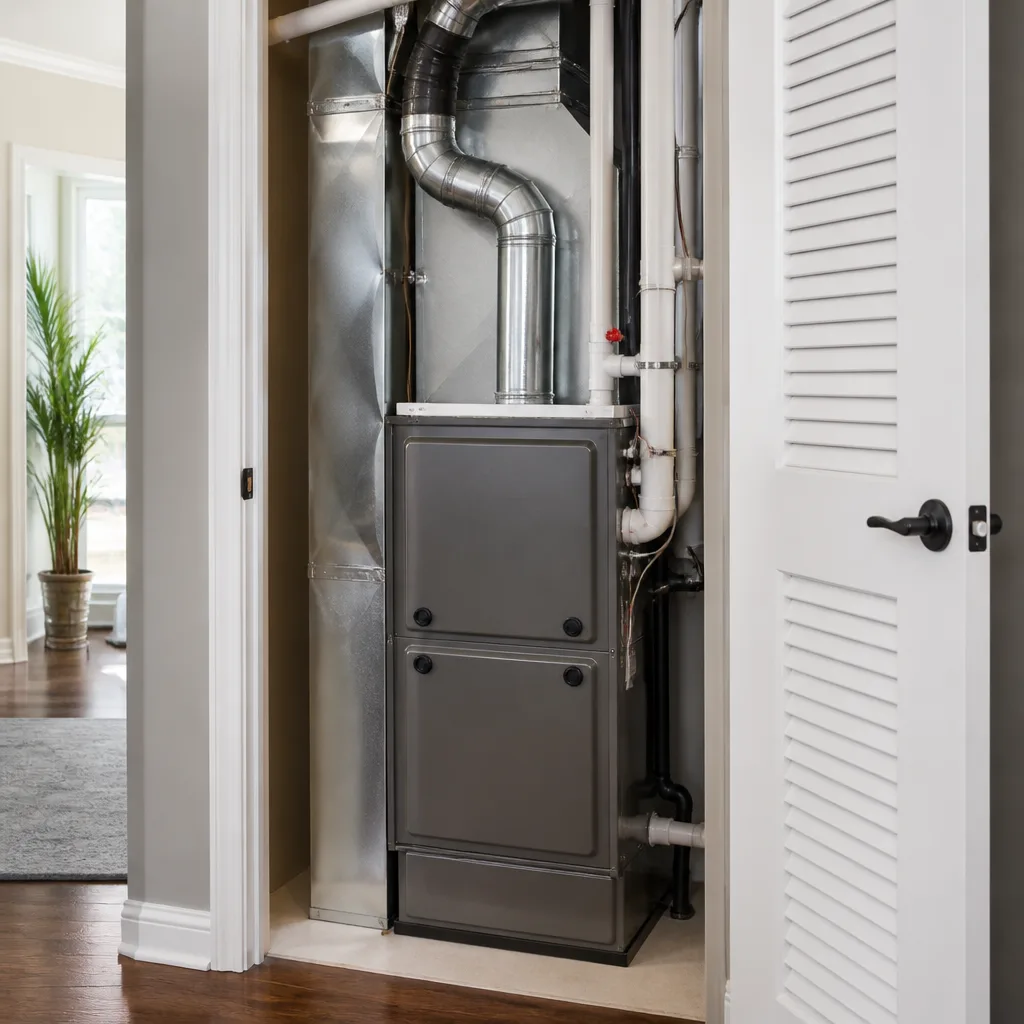 Furnace & heating
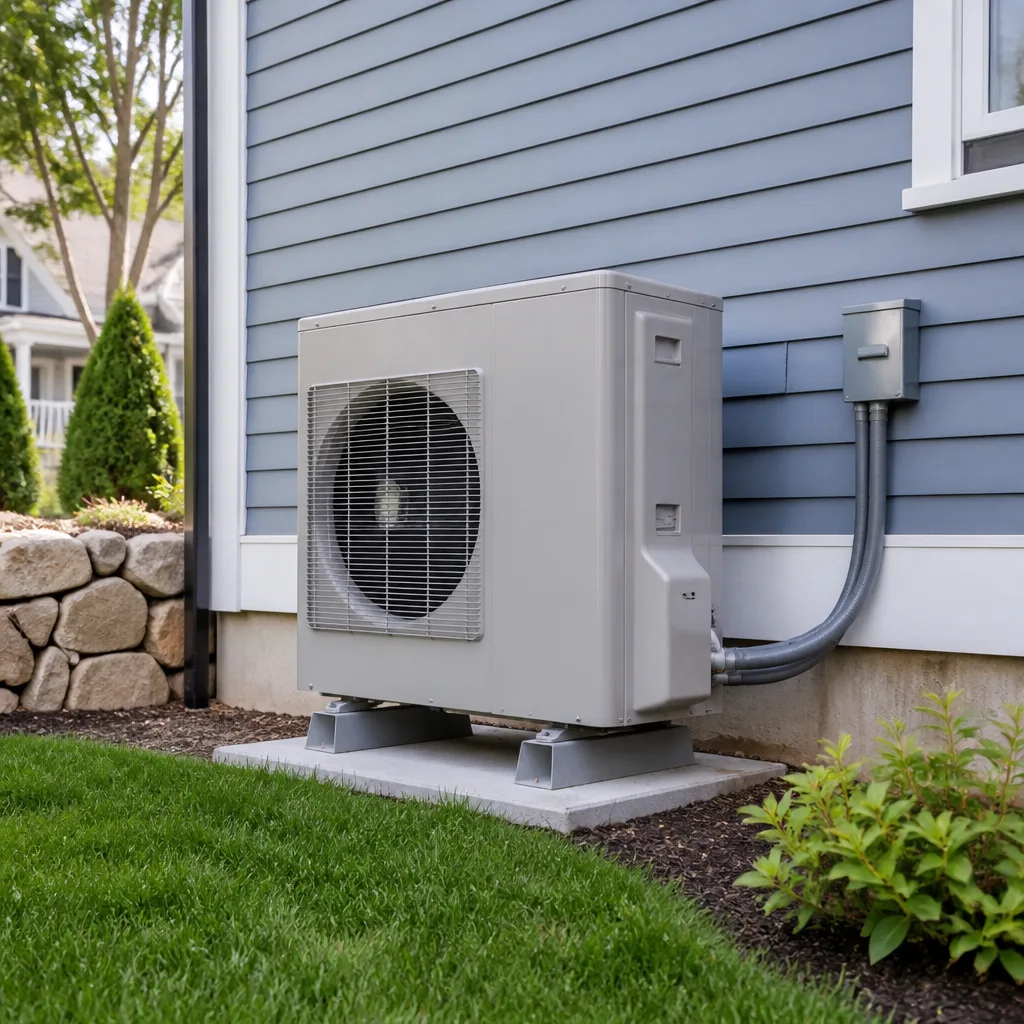 Heat pumps
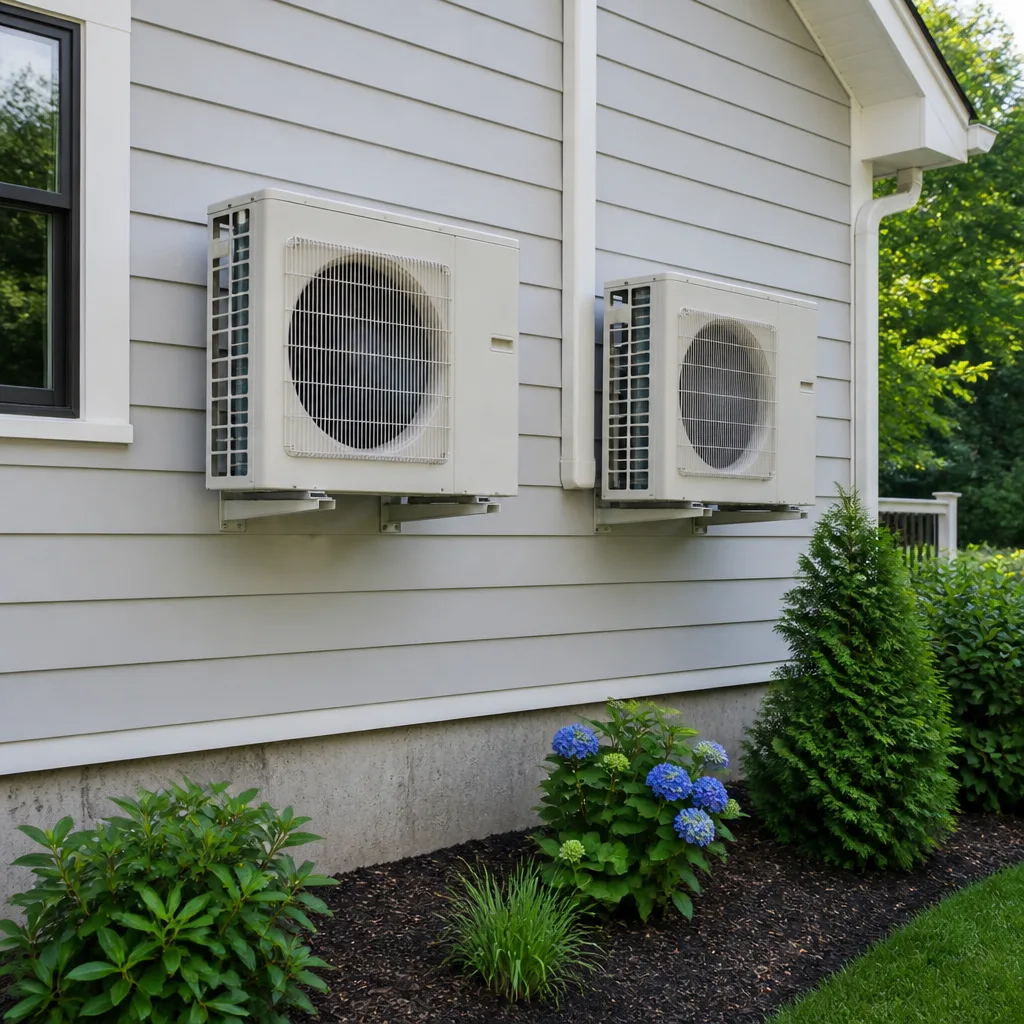 Ductless mini splits
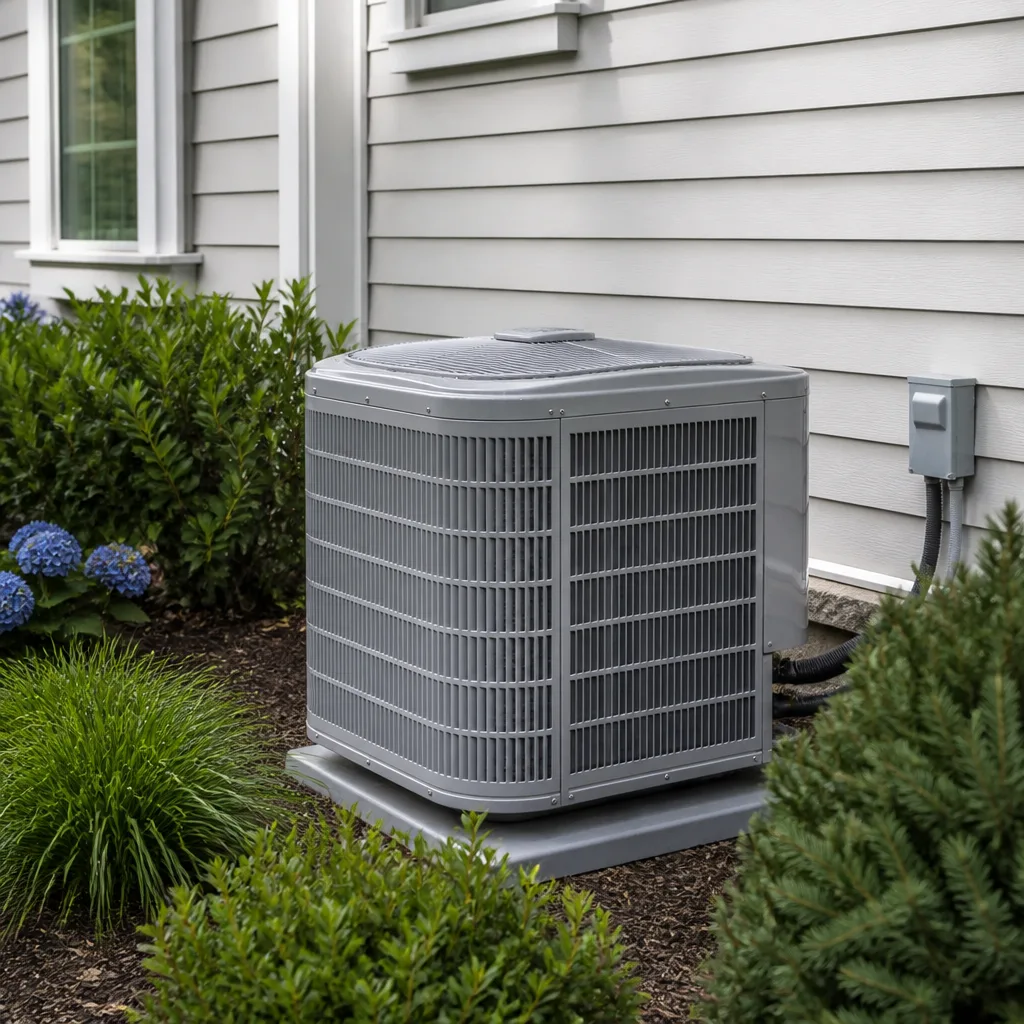 Carrier
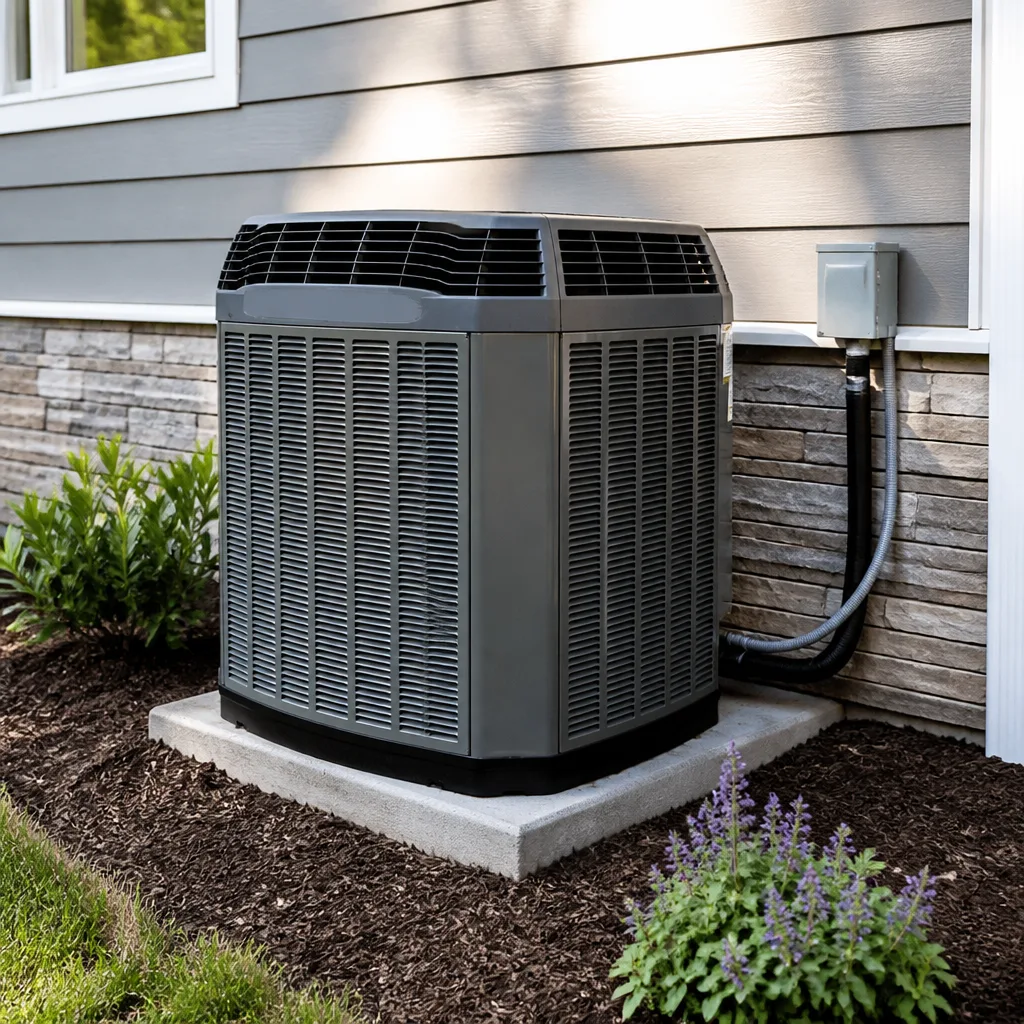 Trane
Trane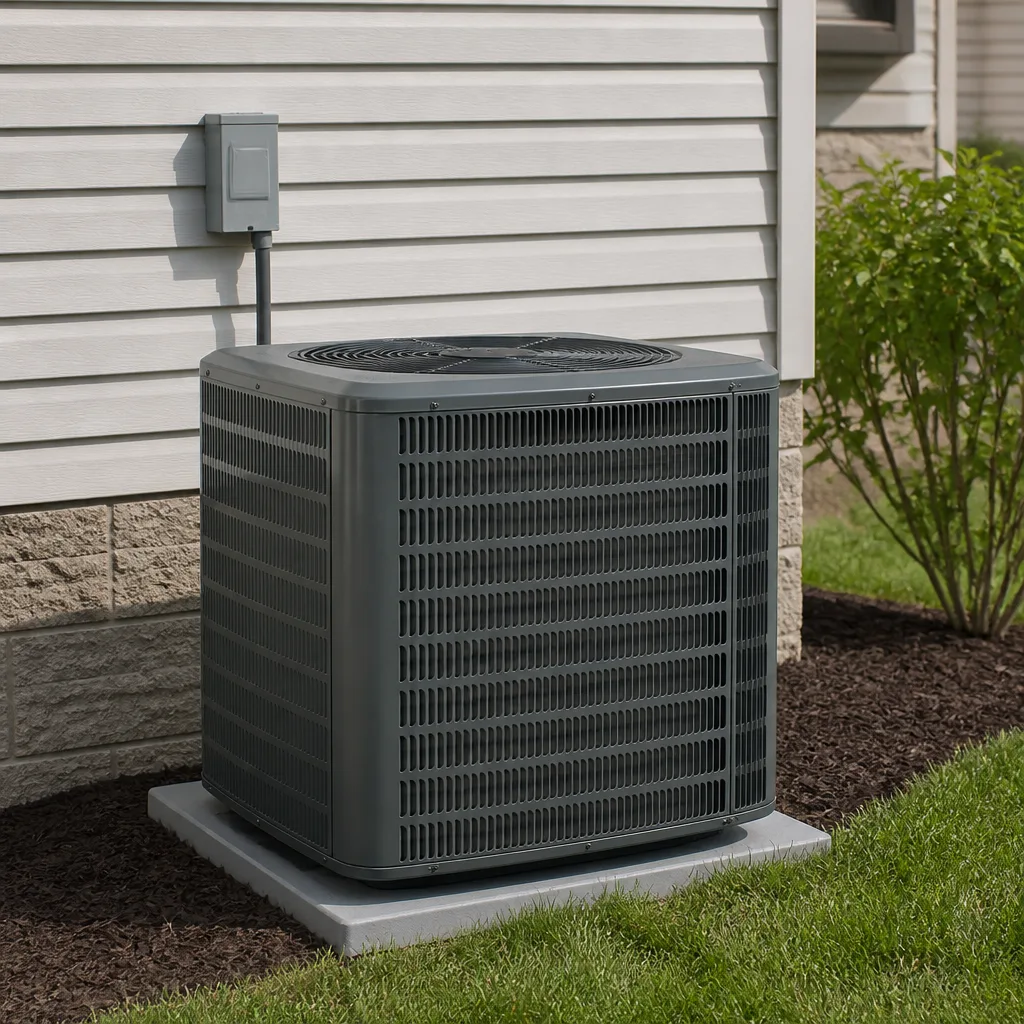 Goodman
Seasonal tune-up and full diagnostic on your Carrier, Trane, or Goodman system - readings shown to you before any repair is proposed
Diagnosis first, numbers second - you approve the repair price before a single part goes in.
Get your free estimateLennox Ductwork Repair: The Fort Worth Owner’s Guide
Lennox ductwork repair in Fort Worth typically runs $150 – $650 installed, depending on whether we’re sealing a separated joint, replacing a crushed flex run, or rebuilding a rusted plenum. Most repairs are completed the same day we diagnose them. You’ll usually discover the problem the same way most Fort Worth homeowners do: one room that never quite cools in August, a faint whistling behind a wall, or a suspicious spike in your July electric bill that doesn’t match the thermostat setting.
Ductwork is the quiet workhorse of your Lennox system. When it fails, your system keeps running, but the air you paid to condition ends up in the attic, the wall cavity, or the crawl space instead of your living room. Luis Serrano and our crew have opened enough ceilings in Fort Worth to know exactly what we’re looking for before the first cut.
Which Lennox Models This Applies To
Ductwork isn’t model-specific the way a control board or blower motor is, but the installation details matter. Lennox systems sold in Fort Worth span three decades or more: Merit Series (ML14, ML17), Elite Series (EL16, EL18, EL296), and Signature Series (SLP98, XC20, XC25). Each one moves air at different static pressures, and older duct designs sized for a 10-SEER unit often struggle when paired with a newer variable-speed Lennox. The compatibility issue isn’t the duct itself. It’s whether the duct is sized and sealed correctly for the air volume your specific Lennox unit pushes.
When we replace duct runs, we match the diameter and R-value to your system’s airflow requirements, not to whatever happened to be in the attic before. For flex duct, that means R-6 minimum in conditioned space and R-8 in unconditioned attics, which is standard for Fort Worth’s climate. For sheet metal, we check gauge, seam quality, and whether the previous installer actually sealed the longitudinal joints or left them leaking from day one. OEM Lennox-branded ductwork components exist, but they’re uncommon. Most Lennox dealers in this market use quality aftermarket sheet metal and flex from manufacturers that meet SMACNA standards. What matters more than the name on the box is the installation quality. A poorly hung aftermarket duct outperforms a badly installed OEM duct every single time.
Styles & brands we work with
Signs Your Lennox Ductwork Repair Is Failing
- Rooms that never reach the thermostat setting. Your Lennox unit runs constantly, but the back bedroom stays five degrees warmer. That’s usually a disconnected or crushed flex run feeding that room. In two-story Fort Worth homes, it’s often the upstairs run that got stepped on during a previous attic visit.
- Dust accumulating faster than it should. If you’re wiping shelves weekly and the dust returns in days, you likely have a return-side duct leak pulling unfiltered attic air into your system. Return leaks are sneaky because you can’t feel them blowing; they’re sucking.
- A whistling or fluttering sound when the system runs. That’s air escaping through a small gap under pressure. In sheet metal duct, it’s often a failed tape seal. In flex duct, it’s frequently a torn inner liner inside the outer jacket, which is invisible from the outside.
- Your July and August electric bills climb even though your thermostat habits haven’t changed. Duct leaks in Fort Worth attics, where summer temperatures routinely hit 140 degrees, mean your Lennox system is conditioning air that never reaches your rooms. A 20% duct leak is a 20% efficiency penalty, and we’ve measured worse.
- Hot or cold spots on walls and ceilings near duct runs. In older Fort Worth homes near the Cultural District especially, we’ve found uninsulated metal ducts sweating condensation inside wall cavities. That’s a mold invitation and a duct repair that can’t wait.
See the difference
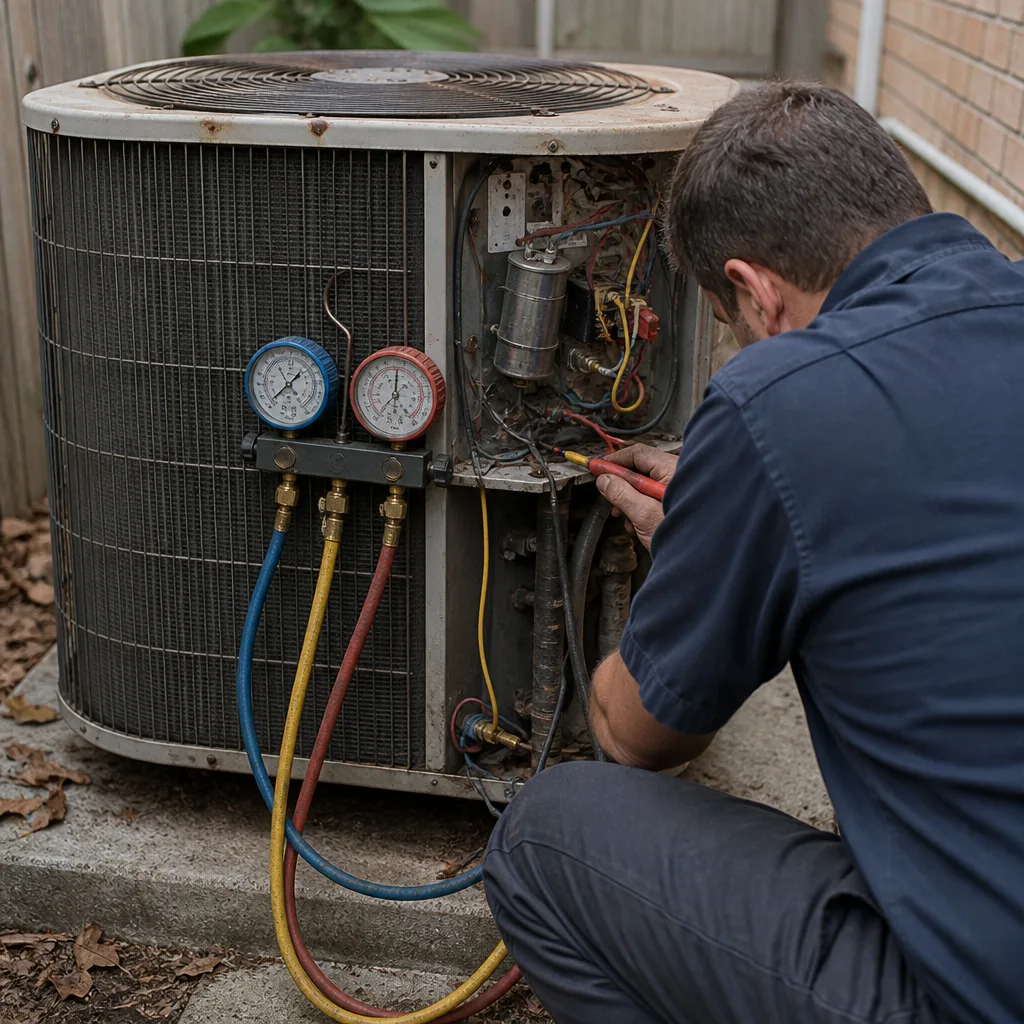 Before
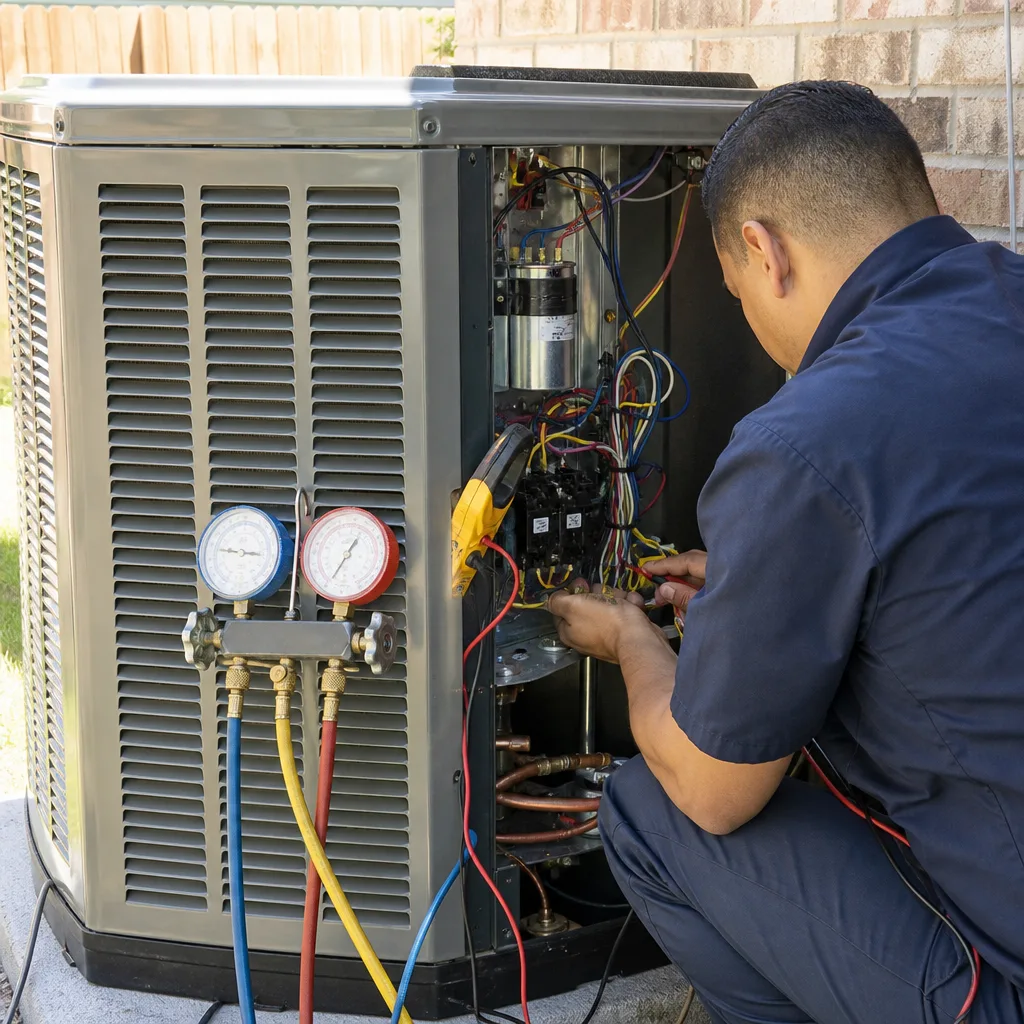 After
After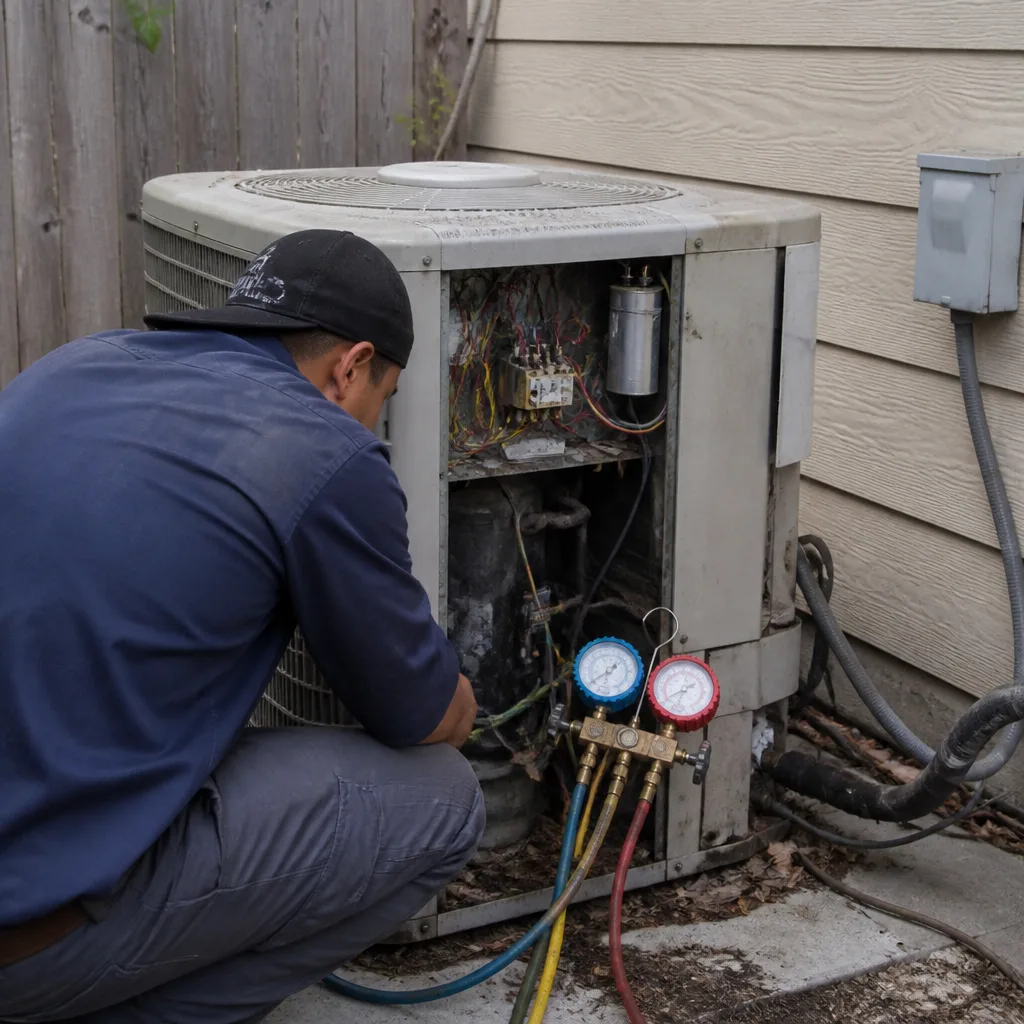 Before
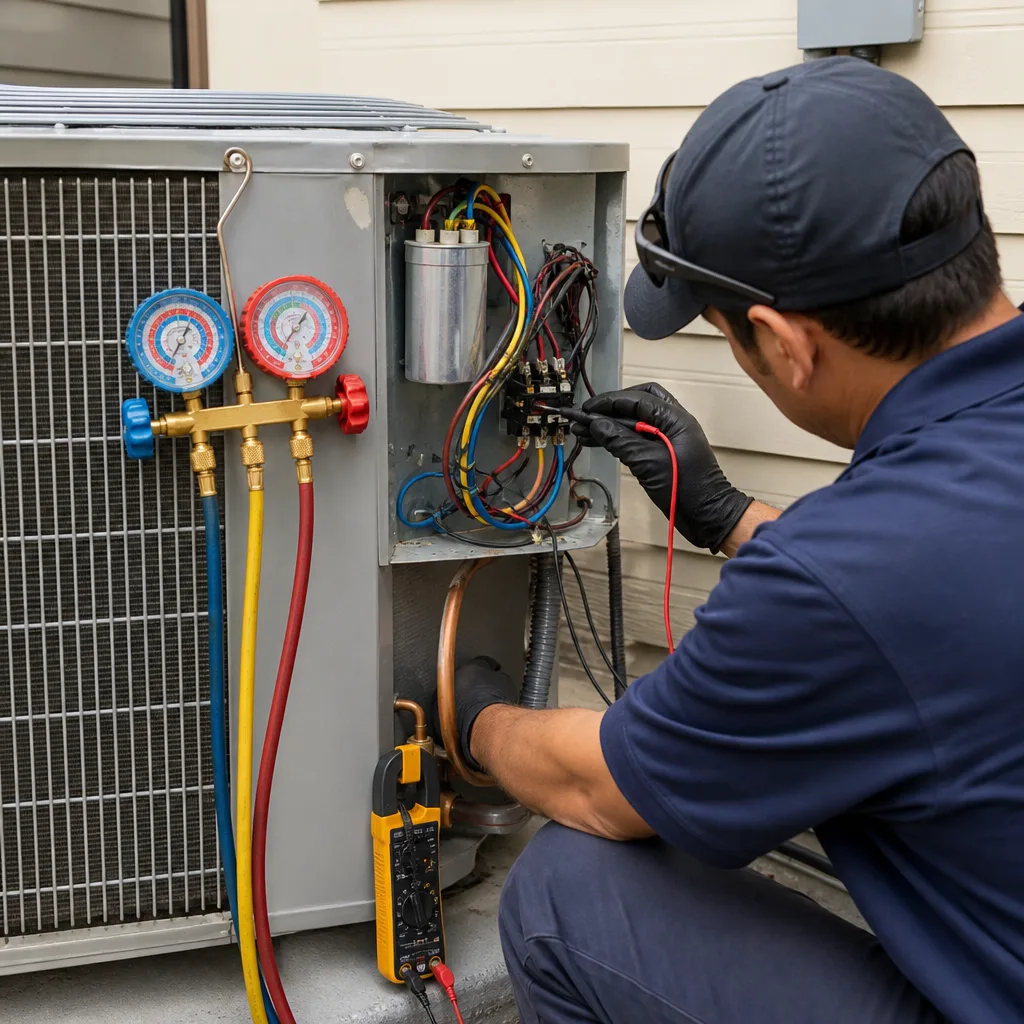 After
After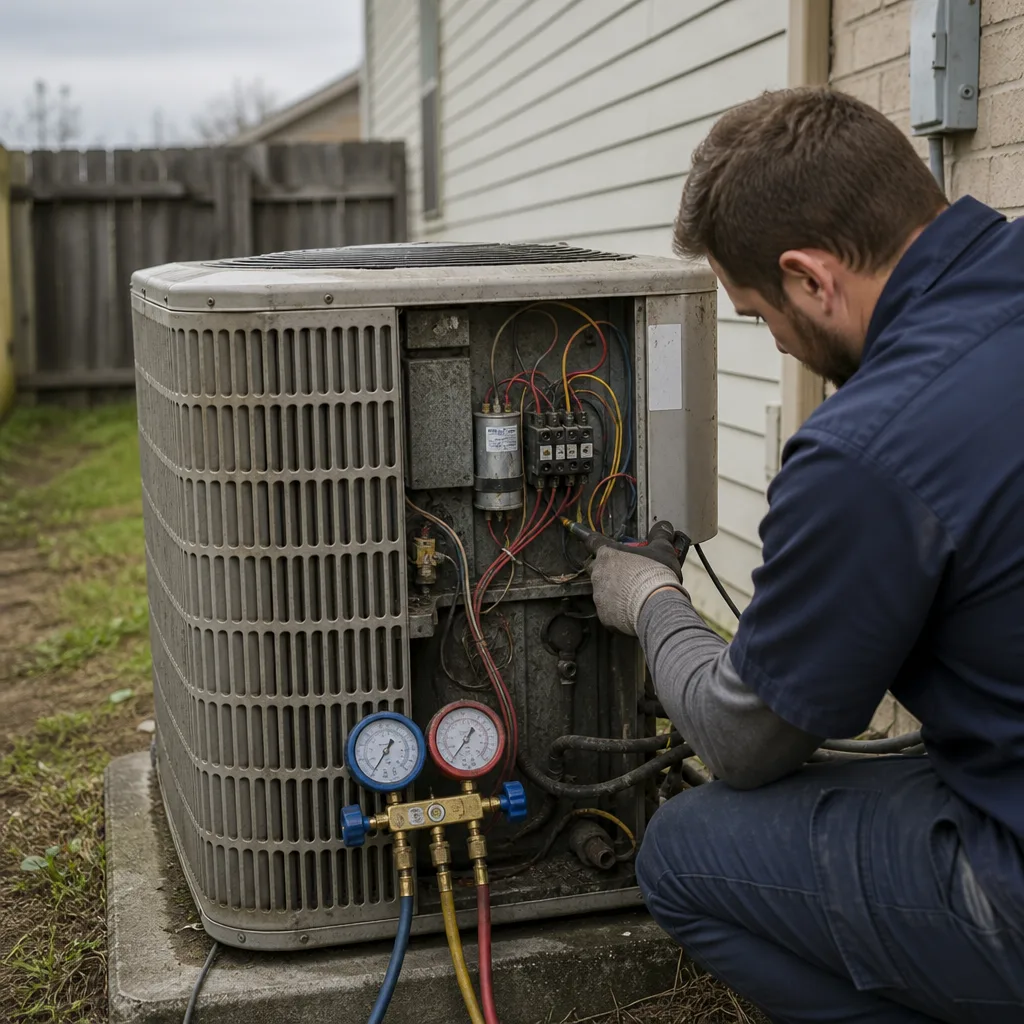 Before
 After
AfterReplacement Cost & What’s Included
Ductwork repair in Fort Worth breaks down into three tiers. A simple seal-and-repair job, where we patch a separated joint, reseal a boot, or replace a short flex run, lands between $150 and $350. A moderate repair involving multiple flex runs, a new supply plenum, or mastic sealing across several joints runs $350 to $550. A larger rebuild, like replacing a rusted return drop or reworking a trunk line, falls in the $550 to $650 range. Every price is written down before we touch a tool, and it includes the parts, the labor, the cleanup, and our 365-Day Done Right Promise.
What drives the range is access. Ductwork in an open attic is faster than ductwork inside a finished ceiling. If we need to cut drywall, we’ll tell you before we start, and we’ll explain exactly what the repair will look like when we’re done. We don’t leave holes and promise someone else will patch them. The work is guaranteed for a full year, which in Texas means through one full summer and one full winter. That’s the point.
DIY or Call Us?
You can safely check a few things yourself without opening a single tool. Look for visible gaps at the supply registers, feel for air blowing around the register boot, and check whether flex duct in your attic is kinked or crushed under boxes or insulation. Those observations help us diagnose faster when you call. What you shouldn’t do is climb into a 140-degree Fort Worth attic, pull apart taped joints, or attempt to resize duct runs yourself. Ductwork isn’t high-voltage dangerous the way a blower motor or capacitor is, but a bad repair hides behind drywall and shows up as moisture, dust, or a system that still doesn’t work correctly. We’ve seen too many homeowners pay twice after a weekend repair didn’t hold.
If you suspect duct problems, call (682) 610-2888. We’ll send a background-checked technician who will show you exactly what’s wrong, write down what it costs, and leave your floors as clean as when we arrived.
FAQs
Flex duct in a Fort Worth attic typically lasts 15 to 20 years before the inner liner degrades or the outer jacket tears, while sheet metal duct can last 30 years or more if it was sealed and hung correctly. Texas heat accelerates the breakdown of flex duct quickly, which is why regular attic inspections matter.
Most ductwork problems can be repaired, especially if the issue is a separated joint, a specific tear, or a crushed section. Full replacement is only necessary when the duct is undersized for your Lennox system or the inner liner has degraded across large sections. We’ll show you the difference before we recommend anything, and the price is written down either way.
Most ductwork repairs in Fort Worth take between two and four hours from diagnosis to cleanup, depending on attic access and how many runs are affected. Larger rebuilds can take a full day, but we’ll tell you the timeline upfront before any work starts.
We stock common flex duct sizes, sheet metal components, mastic sealant, and replacement boots on our trucks, so the majority of ductwork repairs are completed the same day. If a special-order component is needed, we’ll give you a clear timeline and a written price before we leave. We also service Carrier and Trane equipment, so the same care standards apply across every brand we touch.
Written by Luis Serrano, Owner, Meadowsweet Heating and Air Fort Worth at Meadowsweet Heating and Air Fort Worth, serving Fort Worth and nearby areas.